
 en
 Español

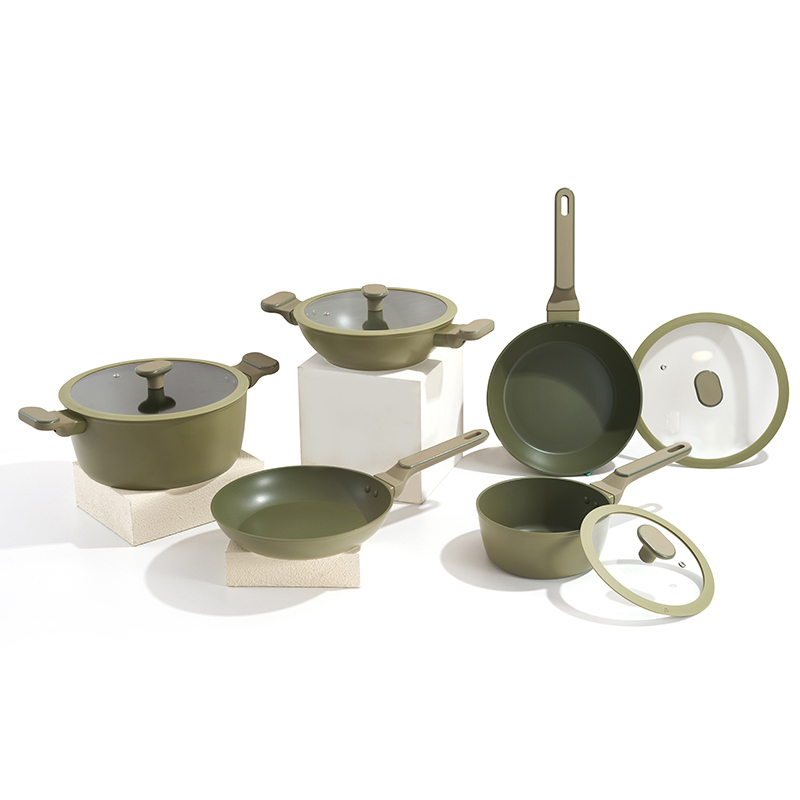
This cookware set features a non-stick coating, even heat conduction, and multi-...
See Details
Outdoor Cast Iron Dutch Oven: Durable Campfire Cooking for Outdoor and Home Use
Date:Oct 17, 2026
Outdoor cooking demands cookware that can withstand high temperatures, changing weather conditions, repeated handling, and the practical challenges of preparing meals away from a fully equipped kitchen. The Outdoor Cast Iron Dutch Oven is designed for exactly this purpose. Made from durable cast iron and fitted with a portable spring handle, it provides a dependable cooking solution for camping trips, campfire meals, outdoor gatherings, and everyday soup making at home.
Unlike lightweight cookware that may struggle with intense heat or unstable outdoor cooking surfaces, cast iron is valued for its strength, heat retention, and long service life. This Dutch oven combines those traditional advantages with a practical form that is easy to carry, simple to use, and suitable for a range of recipes. Its fitted lid helps retain moisture and flavor, while the heavy-duty body offers the stability needed for cooking over a fire or other appropriate heat source.
For importers, distributors, outdoor retailers, hospitality suppliers, and cookware buyers, the product also represents a useful addition to a broader cookware portfolio. It belongs to the iron cookware category and complements aluminum cookware, stainless steel cookware, and kitchen utensil collections. Its appeal extends beyond individual consumers because it can serve outdoor equipment stores, camping supply businesses, gift retailers, culinary product distributors, and private-label cookware programs.
This article examines the product’s design, performance, applications, safety considerations, care requirements, commercial advantages, and the manufacturing strengths behind its supply. It also explains why a well-designed cast iron Dutch oven remains relevant in modern cookware markets.
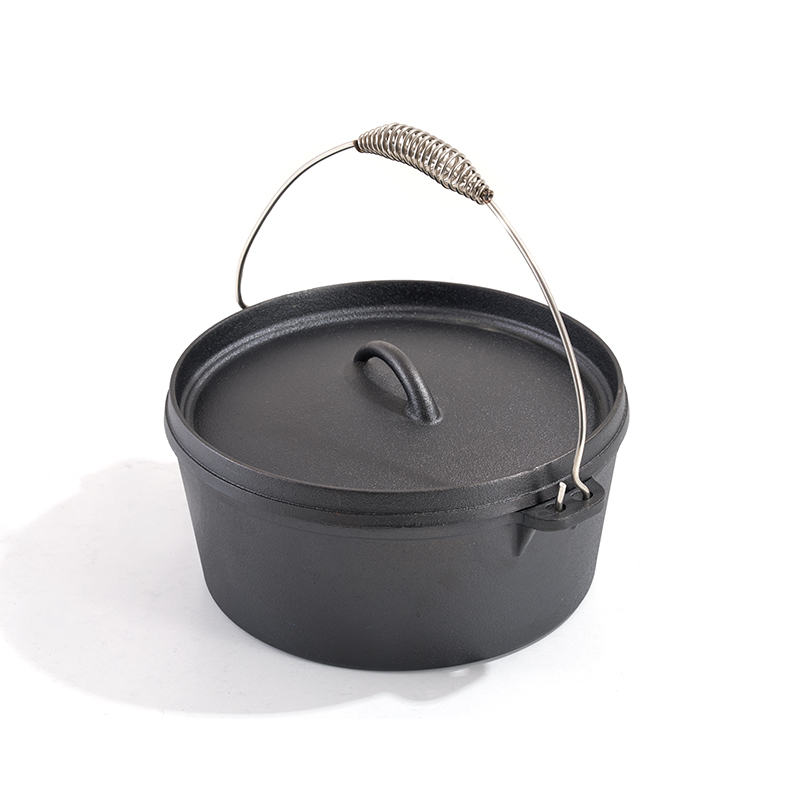
Outdoor Cast Iron Dutch Oven
1. Understanding the Outdoor Cast Iron Dutch Oven
A Dutch oven is a deep, covered cooking vessel designed to retain heat and moisture. The Outdoor Cast Iron Dutch Oven uses cast iron as its primary material, giving it a strong structure and excellent resistance to high cooking temperatures. Its dimensions are approximately 25 by 9 centimeters, creating a compact format that is practical for outdoor cooking and smaller household meal preparation.
The product includes a lid that helps preserve the natural moisture and aroma of food. When meat, vegetables, soup, or other ingredients are cooked inside a covered cast iron vessel, heat circulates more evenly and steam is retained. This can help improve the texture of slow-cooked foods while protecting ingredients from excessive moisture loss.
A portable spring handle is another important design feature. Outdoor cookware often needs to be moved between storage, preparation, and cooking areas. A fixed handle can become hot and awkward to hold, while a portable spring handle creates a practical carrying point when the cookware is handled correctly. The spring structure is intended to make carrying more convenient and to provide greater separation between the user’s hand and the hot body of the pot. Even so, users should always apply appropriate heat protection because cookware and handles may become hot during use.
The Dutch oven is suitable for outdoor camping, campfire cooking, and home soup making. This versatility is important because modern consumers often seek products that can be used in more than one environment. A product that works at a campsite and in a home kitchen offers greater value than a vessel limited to a single activity.
Its cast iron construction also provides a substantial, stable feel. This is especially useful when cooking over an outdoor heat source, where lightweight cookware may shift or become unstable. The product’s weight helps it remain steady on an appropriate cooking surface, while its solid body can tolerate demanding use when the recommended instructions are followed.
2. Why Cast Iron Remains Important in Cookware
Cast iron has been used for cooking for generations because of its combination of durability and heat performance. Although modern cookware materials have introduced lighter products and specialized coatings, cast iron continues to occupy an important position in the market. Its appeal comes from several practical properties.
2.1 High-Temperature Capability
Outdoor cooking frequently involves direct heat, hot coals, and changing temperature levels. Cast iron is naturally suited to high-temperature cooking when used responsibly. It can handle the demands of campfire cooking better than many thin cookware materials that may deform, discolor, or lose stability under intense heat.
The high-temperature resistance of cast iron does not mean that any heat level is appropriate. The cookware should not be overheated when empty, and the flame or heat source should not extend beyond the base. These instructions protect both the cookware and the user. When the heat is controlled properly, cast iron offers a strong and reliable cooking platform.
2.2 Heat Retention
One of the defining advantages of cast iron is its ability to absorb and retain heat. Once heated, the body of the Dutch oven can maintain a relatively stable cooking temperature. This makes it valuable for simmering, stewing, and slow cooking, where stable heat can improve results.
Heat retention is particularly useful outdoors. Campfire temperatures may fluctuate as wood burns or coals shift. A heavy cast iron vessel helps reduce the effect of short-term temperature changes, allowing ingredients to continue cooking after the heat source changes. This does not eliminate the need for supervision, but it gives the cook more thermal stability than a very lightweight pot may provide.
2.3 Structural Strength
Cast iron provides a sturdy body that is resistant to everyday scratches and the physical demands of outdoor use. While no cookware is indestructible, a well-made cast iron vessel can remain useful for many years when it is handled, cleaned, and stored properly.
The strength of the material also supports repeated commercial use. Outdoor guides, rental operators, hospitality businesses, and cooking event organizers may value cookware that is less delicate than thin-bodied alternatives. For retailers, durability can contribute to customer satisfaction and reduce concerns associated with short product life cycles.
2.4 Versatile Cooking Performance
The Outdoor Cast Iron Dutch Oven can be used for a variety of meals. It is appropriate for soups, stews, braised dishes, beans, vegetables, meat dishes, and other recipes that benefit from covered cooking. Depending on the cooking setup, it may also be used for certain baking or roasting applications, provided the user follows safe and suitable procedures.
At home, the product can support soup making and slow cooking. Outdoors, it can become the central cooking vessel for a camping meal. This broad use profile makes it easier for distributors to present the product to several customer groups instead of relying on a narrow seasonal market.
3. Product Design Features and User Benefits
The product’s benefits come from the interaction between its material, shape, lid, handle, and intended use. Each feature addresses a practical need in outdoor cooking.
3.1 Portable Spring Handle
The portable spring handle supports easier carrying and positioning. Outdoor cookware is often moved while empty, filled, warm, or hot, so a practical handling feature is essential. The spring construction is intended to offer heat-resistant carrying support and improve portability during camping or campfire cooking.
Users should still treat the handle as a heated component during and after cooking. Protective gloves or suitable pot holders should be used, and the cookware should not be carried carelessly over people, animals, or flammable materials. Retailers can improve customer experience by communicating these instructions clearly at the point of sale.
3.2 Flavor-Locking Lid
The lid helps lock in food flavor and moisture. Covered cooking reduces evaporation and can help maintain the aroma of ingredients. For soup, stew, and braised meals, this is particularly valuable because the cooking process benefits from a controlled, enclosed environment.
A lid also helps protect food from ash, dust, and outdoor debris. It is not a substitute for hygienic food handling, but it provides an additional barrier during outdoor preparation. The covered design contributes to a more organized cooking process and can make campfire meals feel closer to home cooking.
3.3 Scratch-Resistant Cast Iron Body
The cast iron body is designed to resist ordinary scratches associated with normal cookware handling. However, users should avoid metal or sharp cooking utensils and instead use wooden, nylon, or non-stick-safe utensils. This recommendation helps preserve the appearance and condition of the cookware.
Scratch resistance is an attractive selling point because outdoor environments can be demanding. Cookware may be placed near tools, stored with other equipment, or transported over uneven ground. A sturdy material helps the product remain presentable and functional through repeated use.
3.4 Compact Product Format
With a listed size of 25 by 9 centimeters, the Dutch oven offers a practical balance between cooking capacity and portability. It is compact enough for outdoor storage and transport while still providing room for useful portions of soup, stew, or other shared dishes.
For retailers, compact dimensions can simplify shelf presentation, carton planning, and inventory management. The listed carton contains one unit, with a carton size of approximately 31 by 15 by 28 centimeters. The reported carton volume is 0.013 cubic meters, and the carton weight is approximately 5 kilograms. These logistics details are important for purchasing, warehousing, and freight planning.
4. Outdoor Cooking Applications
The product is especially suitable for outdoor environments where cooking performance and durability are more important than ultra-lightweight construction.
4.1 Camping Trips
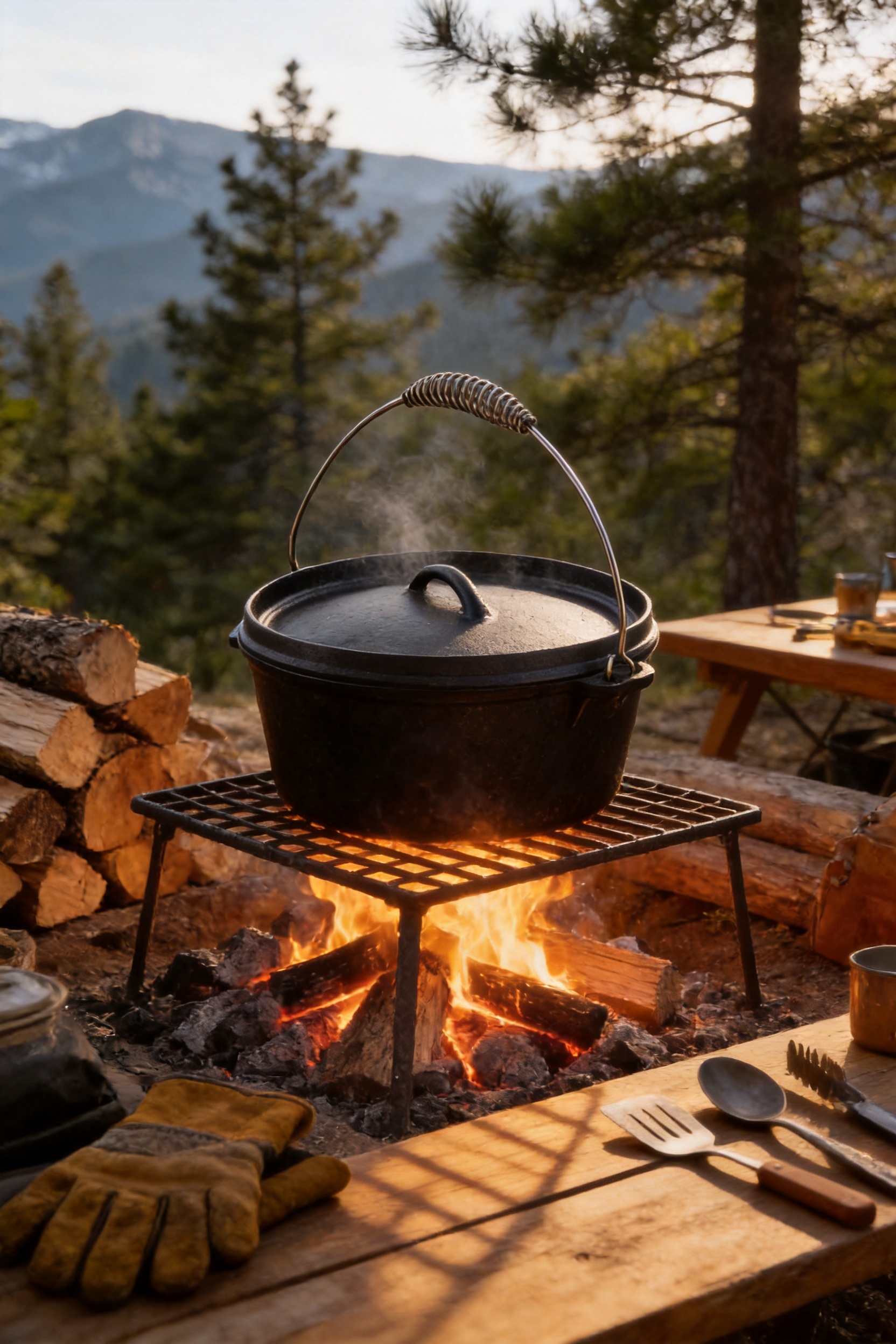
For camping, the Dutch oven can be used to prepare meals over a controlled campfire or another suitable outdoor cooking system. It can hold soup, stew, chili-style dishes, cooked vegetables, and slow-simmered meals. Its lid helps keep the cooking process enclosed, while the cast iron body retains heat between adjustments to the fire.
Campers should select a stable, level cooking surface and keep the vessel away from unstable logs, loose stones, or areas where it could be accidentally knocked over. The heat source should be managed carefully, and the cookware should be allowed to cool before cleaning or packing.
4.2 Campfire Cooking
Campfire cooking is one of the product’s most natural applications. Cast iron cookware has long been associated with fire-based cooking because of its robust construction and ability to tolerate high temperatures. The Dutch oven can be placed over an appropriate grate or support designed for cookware.
When using a campfire, the user should avoid allowing flames to extend beyond the base. Excessive side flames can heat the handle, lid edge, and surrounding areas unnecessarily. A controlled bed of coals may provide more even results than a large, irregular flame. Users should also follow local fire regulations and ensure that the fire is completely extinguished after cooking.
4.3 Outdoor Gatherings
The product can support outdoor gatherings, garden cooking, picnic areas, and community food events. Its traditional appearance and substantial construction make it suitable for serving dishes that are prepared slowly and shared with others.
For commercial users, several Dutch ovens may be combined with larger cooking equipment to create a flexible outdoor menu. Food vendors and event organizers may use compact cast iron cookware for sauces, side dishes, soups, or specialty recipes. The product’s manageable size can make it easier to assign individual cooking tasks within a larger preparation area.
4.4 Home Soup Making
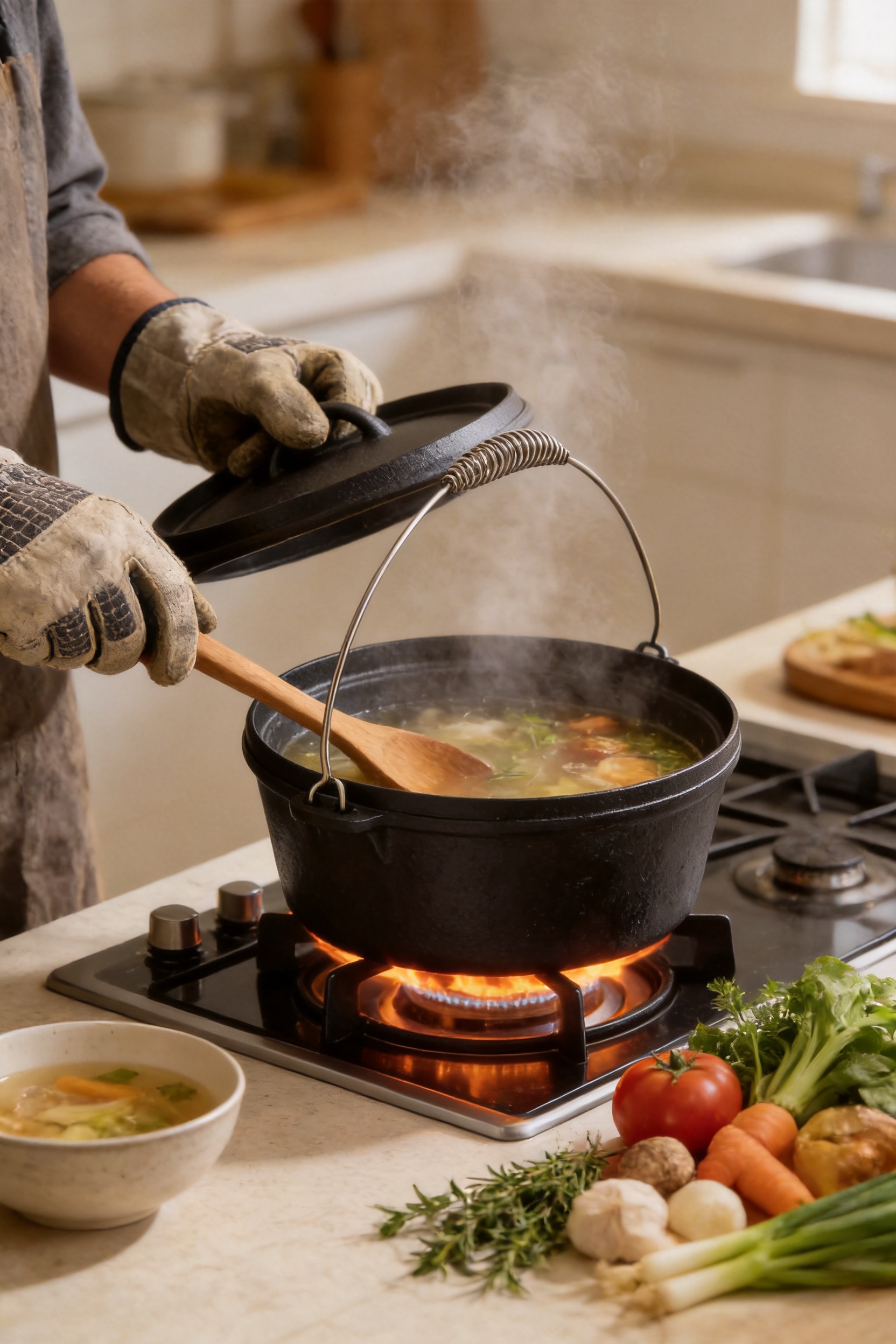
Although the product is designed with outdoor use in mind, it is also suitable for home soup making. The lid and heat-retaining body support recipes that require gradual cooking. Users can prepare vegetable soups, bean dishes, meat-based broths, and other meals that benefit from steady heat.
This indoor-outdoor versatility strengthens the product’s market appeal. A consumer may purchase it for camping but continue using it at home, increasing the perceived value of the purchase. A retailer can present the item as both outdoor equipment and traditional cookware rather than limiting it to a seasonal camping display.
5. Advantages Over Lightweight and Less Durable Alternatives
Every cookware material has a suitable market position. Aluminum products are often valued for low weight and rapid heating, while stainless steel products are recognized for corrosion resistance and a bright, modern appearance. Cast iron serves a different purpose. Its principal advantages are heat stability, strength, and traditional cooking performance.
5.1 Greater Heat Stability
Thin cookware can heat quickly but may also respond rapidly to changes in the heat source. This can be useful for some cooking tasks, yet it may make temperature control more difficult over an uneven campfire. The heavier cast iron body absorbs and retains heat, creating a more stable cooking environment for simmering and slow cooking.
5.2 Stronger Outdoor Presence
Outdoor cooking equipment is exposed to handling conditions that are not always present in a home kitchen. Cast iron offers a solid, substantial construction that can better match the expectations of campers and outdoor enthusiasts seeking long-term equipment. It feels like a purpose-built tool rather than a disposable accessory.
5.3 Better Suitability for Traditional Recipes
Many classic outdoor meals are prepared slowly in a covered vessel. Cast iron is well matched to this style of cooking. The product can help users recreate traditional campfire meals while also serving modern recipes. The lid, deep body, and stable heat performance make it particularly suitable for soups and stews.
5.4 Long-Term Product Value
A durable cookware item may provide greater long-term value than a lower-cost product that needs frequent replacement. Cast iron can remain useful for an extended period when it is cleaned and stored correctly. This supports a value-based sales approach for retailers and distributors.
The product should not be positioned as a replacement for every type of cookware. Instead, it should be marketed as a specialized, durable vessel for high-temperature, covered, and slow-cooking applications. Clear positioning helps buyers understand its strengths and choose it for the right cooking tasks.
6. Manufacturing Strengths and Supply Capabilities
The product is supplied by Zhejiang Echo Industry And Trade Co., Ltd., a Zhejiang-based kitchenware manufacturer and exporter. Zhejiang is widely recognized as an important manufacturing and export region in China, with established industrial networks, supplier resources, and access to international logistics services.
The company’s stated product coverage includes aluminum cookware, stainless steel cookware, cast iron cookware, and kitchen utensils. This category breadth allows buyers to source complementary products from one supplier instead of managing separate relationships for each material group.
6.1 Broad Product Development Scope
A supplier with experience across multiple cookware categories can compare material properties, user needs, and market requirements during product development. This broader perspective can support more practical product selection and more coherent cookware collections.
For example, a buyer may combine the Outdoor Cast Iron Dutch Oven with aluminum frying pans, stainless steel stockpots, or kitchen utensils. A supplier capable of supporting several categories can help create a complete range for retail, hospitality, or private-label programs.
6.2 One-Stop Sourcing
One-stop sourcing can simplify communication, quotation, sampling, packaging coordination, and shipment planning. It may also help buyers build a more consistent product assortment. Instead of sourcing each cookware material from a separate factory, a buyer can discuss multiple categories with one experienced supply partner.
This approach is useful for small and medium-sized buyers that may not have large procurement teams. Consolidated sourcing can reduce administrative work and make it easier to coordinate product launches, seasonal collections, and replenishment orders.
6.3 OEM and ODM Support
The company states that it provides OEM and ODM customization. OEM services may allow buyers to develop products under their own brand identity, subject to agreed specifications and production conditions. ODM support may involve adapting existing product concepts or developing products for a particular market segment.
Customization may cover packaging, labeling, color or finish options where technically suitable, product combinations, and other commercial requirements. Buyers should confirm available options, minimum order quantities, sample procedures, lead times, and testing requirements during the quotation process.
6.4 Certification Assistance
The company also states that it can provide product certification assistance. Requirements vary by destination market and may depend on product composition, intended use, food-contact regulations, labeling laws, packaging rules, and retailer standards.
Certification assistance can help buyers organize the documentation needed for a product launch. However, the final responsibility for market compliance should be confirmed by the importer or responsible economic operator in the destination market. Buyers should request current technical documents, test reports, declarations, and any applicable compliance information before placing a commercial order.
6.5 Flexible MOQ Planning
Flexible minimum order quantities can be important for emerging brands, specialty retailers, regional distributors, and buyers testing a new category. Smaller initial orders may allow a business to evaluate sales performance before committing to a larger purchase.
MOQ flexibility should be discussed alongside packaging requirements, customization costs, production scheduling, and freight efficiency. A lower MOQ may be commercially attractive, but a buyer should also consider the cost per unit, carton utilization, and replenishment plan.
6.6 Sustainable and Healthy Product Development
The company describes its development direction as including sustainable and healthy product development. In cookware, this may involve responsible material selection, durable product design, efficient packaging, and attention to food-contact suitability. Durability itself can contribute to a more sustainable product cycle because cookware that remains functional for longer may reduce replacement frequency.
Buyers seeking sustainability claims should request specific supporting information. General environmental language should be matched with measurable details such as material composition, packaging content, production policies, testing results, or recognized certifications where available.
7. Production Quality Considerations for Cast Iron Cookware
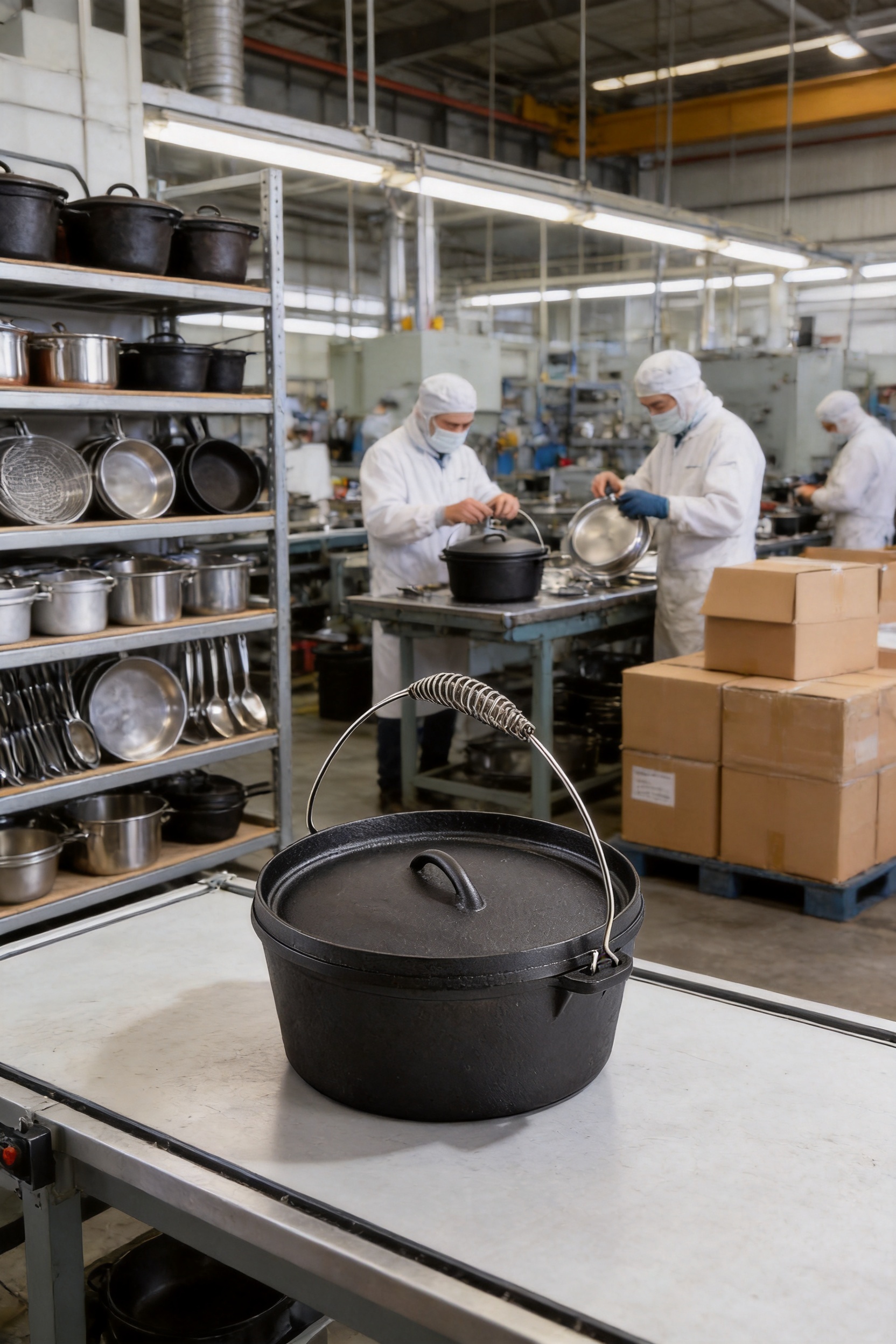
Manufacturing a reliable cast iron Dutch oven requires attention to material preparation, mold design, casting, finishing, inspection, packaging, and product documentation. While specific factory procedures may vary, buyers generally evaluate several critical areas when selecting a cast iron supplier.
7.1 Material Consistency
Consistent raw material quality helps support uniform product performance. The composition and preparation of the cast iron influence strength, surface condition, weight, and thermal behavior. A controlled material process can reduce variation between production batches.
7.2 Mold and Form Accuracy
The mold determines the general shape and dimensions of the Dutch oven. Accurate mold preparation helps ensure that the body, lid, handle points, and base are produced consistently. Dimensional control is important for proper lid fit, stable placement, packaging compatibility, and appearance.
7.3 Surface Finishing
After casting, cookware may require finishing operations to remove unwanted material, refine edges, and improve the surface. Smooth and appropriately finished edges contribute to safer handling and a better customer experience. The lid should also be checked so that it sits correctly on the body.
7.4 Inspection and Functional Checks
Quality inspection may include visual examination, dimensional checks, weight verification, handle inspection, lid fit assessment, and packaging review. Functional evaluation can help identify problems such as unstable bases, rough edges, poor lid seating, or defects that could affect use.
For export orders, inspection procedures should be aligned with the buyer’s specifications. Pre-production samples, production samples, or pre-shipment inspections can provide additional assurance, particularly for private-label programs.
7.5 Packaging Protection
Cast iron cookware is heavy, and its surface can be affected by impact, abrasion, moisture, or poor internal packing. Appropriate packaging helps protect the product during handling and transportation. The listed carton size and one-unit carton configuration provide a reference for logistics planning, but buyers should confirm the final packaging design for each order.
Packaging may also serve a marketing purpose. Clear product information, care instructions, safe-use guidance, and brand presentation can help reduce misuse and improve the product’s shelf appeal.
8. Safe Use Instructions
Correct use is essential for protecting the cookware and the user. The product should be washed before first use. Hand washing is recommended to help preserve the appearance of the cookware.
The product should not be overheated while empty. Empty heating can create excessive temperatures and may damage the cookware, surrounding surfaces, or protective finish. Ingredients or suitable cooking liquid should be used according to the recipe and cooking method.
The flame or heat source should not extend beyond the base of the item. Excessive side heat can increase the risk of burns and may heat the handle or lid more than expected. The cooking area should be kept clear of combustible materials, and the cookware should remain under supervision while in use.
If the pan severely overheats, users should not touch it immediately. The cooker or heat source should be turned off, and the pan should be left to cool completely. Attempting to move severely overheated cookware can result in burns, spills, or damage to the cooking surface.
The product should not be used in a microwave. Cast iron is unsuitable for microwave use and may damage the appliance or create a serious safety hazard. Retailers and distributors should ensure that this warning is included in product documentation and, where appropriate, on packaging.
Users should also avoid sudden temperature changes. Pouring cold water onto extremely hot cast iron may create thermal stress. Allowing the cookware to cool naturally before washing is a safer and more responsible practice.
9. Cleaning and Maintenance
Proper maintenance helps preserve the cookware’s appearance and service life. The recommended cleaning method is hot, soapy water with a soft cloth or sponge. Abrasive tools, sharp objects, and aggressive cleaning methods should be avoided unless specifically approved for the product’s finish.
Metal or sharp cooking utensils should not be used. Wooden, nylon, or non-stick-safe utensils are recommended. These tools are less likely to create scratches or damage the surface during cooking and serving.
After washing, the cookware should be dried thoroughly. Moisture left on cast iron can contribute to surface corrosion over time. Users should store the product in a dry location and avoid sealing it while damp.
Care requirements may vary depending on the exact surface treatment or finish supplied with a particular production batch. Buyers should request the supplier’s official care instructions and ensure that retail packaging reflects the correct maintenance procedure.
Good maintenance is also a selling advantage. Customers are more likely to appreciate durable cookware when they understand how to care for it. Including clear instructions with the product can reduce complaints, improve reviews, and extend the useful life of the item.
10. Product Information and Logistics Summary
| Item | Specification |
|---|---|
| Product name | Outdoor Cast Iron Dutch Oven |
| Product category | Iron Cookware |
| SKU | XQ04 |
| Material | Cast Iron |
| Product size | Approximately 25 by 9 centimeters |
| Handle | Portable spring handle |
| Lid | Included, designed to help retain flavor and moisture |
| Carton quantity | 1 unit per carton |
| Carton size | Approximately 31 by 15 by 28 centimeters |
| Carton volume | Approximately 0.013 cubic meters |
| Carton weight | Approximately 5 kilograms |
| Primary applications | Camping, campfire cooking, outdoor gatherings, and home soup making |
The specifications above provide a useful starting point for buyers evaluating product fit, shipping requirements, and assortment planning. Before final production, buyers should confirm dimensions, weight, packaging, finish, labeling, and any customized requirements with the supplier.
11. Commercial Opportunities for Buyers
The Outdoor Cast Iron Dutch Oven can be positioned across several sales channels. Outdoor equipment retailers may present it as a core campfire cooking item. Kitchenware stores can place it in a traditional cookware or slow-cooking section. Home and garden retailers may include it in outdoor entertaining collections.
Online sellers can emphasize its portability, durable cast iron construction, covered cooking design, and suitability for both outdoor and home use. Product pages should include accurate dimensions, material information, care instructions, safety warnings, and realistic descriptions of cooking applications.
Private-label buyers may use the product as part of a broader outdoor cooking range. It can be paired with cast iron skillets, grill accessories, wooden utensils, heat-resistant gloves, storage bags, or camping cookware sets. Bundling can raise average order value and create a more complete customer solution.
Seasonal marketing can focus on spring and summer camping, autumn outdoor gatherings, holiday gift programs, and year-round home cooking. Because the product is not limited to outdoor use, retailers can continue selling it during periods when camping demand is lower.
For distributors, the product’s compact dimensions and single-unit carton configuration may simplify mixed-container or mixed-carton purchasing. Buyers should calculate freight based on both weight and volume because cast iron products are comparatively heavy for their physical size.
12. Positioning the Product Against Competitors
Successful product positioning should focus on meaningful differences rather than unsupported claims. The Outdoor Cast Iron Dutch Oven should be presented as a durable, heat-retaining, covered cooking vessel for users who value traditional cooking performance and outdoor reliability.
Compared with thin aluminum cookware, the cast iron Dutch oven offers a more substantial body and stronger heat retention, although it is heavier. Compared with polished stainless steel cookware, it offers a different cooking experience centered on heat stability and traditional campfire use. Compared with fragile or highly specialized cookware, it provides a straightforward design with broad applications.
Its portable spring handle, included lid, and compact size are practical advantages that help distinguish it from basic cast iron pots without carrying features. The combination of portability and thermal mass is particularly relevant to campers who want dependable cookware but do not need a large commercial-size vessel.
The best competitive message is therefore balanced. Buyers should understand that cast iron is intentionally heavier than aluminum and may require more care than some stainless steel products. In return, it provides durability, stable heat performance, and a distinctive outdoor cooking experience.
13. Recommended Buyer Evaluation Process
Before ordering, buyers should define their target market and expected use. A camping retailer may prioritize handle design, packaging durability, and outdoor instructions. A home kitchen distributor may focus on appearance, care documentation, and compatibility with local cooking habits. A private-label brand may require customized packaging, product testing, and specific carton markings.
Buyers should request product samples and inspect the body, lid, handle, base, edges, and overall finish. The sample should be evaluated for stability and ease of handling. The lid should be checked for suitable seating, and the handle should be examined for secure attachment and practical movement.
Commercial buyers should also confirm production lead times, payment terms, packing methods, shipping marks, available certifications, inspection options, and after-sales procedures. Written specifications help reduce misunderstandings between buyer and supplier.
For destination markets with strict food-contact or cookware requirements, buyers should identify applicable regulations before production begins. The supplier can then be asked to support documentation and testing according to the actual market requirements.
14. Why Supplier Partnership Matters
A cookware product’s success depends on more than the physical item. Reliable communication, accurate documentation, consistent production, and responsive service all influence the buyer’s total experience.
A supplier focused on long-term cooperation can help buyers select products that match their sales channels and customer expectations. Product assortment planning is particularly valuable for businesses seeking a complete cookware program rather than a single item.
The company’s stated goal of becoming an R&D-driven supply chain partner reflects the growing importance of product development and sourcing support. Buyers increasingly need help adapting products to different markets, coordinating certifications, improving packaging, and building differentiated collections.
For small and medium-sized businesses, this type of partnership can reduce the difficulty of entering cookware or outdoor cooking categories. Access to multiple material categories, OEM and ODM capabilities, flexible MOQ discussions, and certification assistance can create a more practical purchasing process.
15. Frequently Asked Questions
Q1: What is the Outdoor Cast Iron Dutch Oven made of?
The product is made of cast iron. Cast iron provides a sturdy structure, good heat retention, and suitability for high-temperature cooking when used according to the safety instructions.
Q2: What is the product mainly used for?
It is designed for outdoor camping, campfire cooking, outdoor gatherings, and home soup making. It can also be used for soups, stews, braised dishes, vegetables, and other recipes that benefit from covered cooking.
Q3: Does the Dutch oven include a lid?
Yes. The product includes a lid designed to help retain food flavor and moisture during cooking.
Q4: Why is the spring handle useful?
The portable spring handle provides a practical carrying point and is intended to make the cookware easier to move. Users should still use heat-resistant gloves or suitable protection because the handle may become hot during cooking.
Q5: Can the Dutch oven be used in a microwave?
No. The product should not be used in a microwave.
Q6: Can it be heated while empty?
No. Users should not overheat the Dutch oven while it is empty. Empty overheating can create excessive temperatures and increase the risk of damage or injury.
Q7: What utensils should be used?
Wooden, nylon, or non-stick-safe utensils are recommended. Metal or sharp cooking utensils should not be used because they may scratch or damage the cookware surface.
Q8: How should the product be cleaned?
Use hot, soapy water with a soft cloth or sponge. Hand washing is recommended to help preserve the appearance. The cookware should be dried thoroughly before storage.
Q9: What should be done if the cookware severely overheats?
Do not touch the cookware immediately. Turn off the cooker or heat source and leave the pan to cool completely before attempting to move or clean it.
Q10: Can it be used on a campfire?
Yes. It is suitable for campfire cooking when placed on a stable, appropriate support and used with a controlled heat source. The flame should not extend beyond the base, and local fire-safety rules should always be followed.
Q11: Is the product suitable for indoor kitchens?
Yes. It can be used for home soup making and other suitable recipes, provided the cooking surface and heat source are compatible with the cookware.
Q12: What is the listed product size?
The listed size is approximately 25 by 9 centimeters. Buyers should confirm final production measurements and tolerances with the supplier.
Q13: What is the product SKU?
The listed SKU is XQ04.
Q14: How is it packed for shipment?
The listed carton quantity is one unit per carton. The approximate carton size is 31 by 15 by 28 centimeters, with a reported carton volume of 0.013 cubic meters and a carton weight of approximately 5 kilograms.
Q15: Can the product be customized?
The supplier states that it supports OEM and ODM services. Buyers should discuss available customization options, packaging, labeling, minimum quantities, samples, and production requirements directly with the supplier.
Q16: Does the supplier offer other cookware categories?
Yes. The stated product range includes aluminum cookware, stainless steel cookware, cast iron cookware, and kitchen utensils. This supports broader one-stop sourcing programs.
Q17: Can the supplier assist with certification?
The company states that it provides product certification assistance. Buyers should identify the requirements of the destination market and request the relevant documents and testing support before ordering.
Q18: Who is the product suitable for?
The product is suitable for outdoor enthusiasts, campers, home cooks, specialty kitchenware buyers, outdoor equipment retailers, distributors, hospitality suppliers, and private-label brands seeking durable cast iron cookware.
16. Conclusion
The Outdoor Cast Iron Dutch Oven combines traditional cast iron performance with a practical design for modern outdoor and home cooking. Its durable body, high-temperature capability, heat retention, flavor-locking lid, and portable spring handle make it a dependable choice for camping, campfire cooking, outdoor gatherings, and soup making.
Its strongest advantages are stability, durability, and versatility. While cast iron is heavier than some alternative materials and requires thoughtful care, those characteristics are balanced by long-term usability and strong cooking performance. For customers who value reliable equipment rather than disposable cookware, the product offers a compelling solution.
From a sourcing perspective, the product is supported by a Zhejiang-based supplier with experience in multiple cookware categories, one-stop sourcing, OEM and ODM services, certification assistance, flexible MOQ discussions, and product development ambitions. These capabilities can help buyers create a more complete cookware assortment and adapt products to different market needs.
With correct use, careful cleaning, suitable packaging, and clear customer instructions, the Outdoor Cast Iron Dutch Oven can serve as a valuable product for both retail and commercial channels. It is not simply a cooking pot for occasional camping. It is a durable, multi-purpose cookware item that connects traditional cast iron cooking with the growing demand for practical outdoor living and versatile home kitchens.
References
1. Product specification sheet for Outdoor Cast Iron Dutch Oven, SKU XQ04.
2. Supplier-provided product information for cast iron cookware, kitchen utensils, and cookware sourcing services.
3. General cookware material guidance covering cast iron heat retention, durability, and maintenance practices.
4. General outdoor cooking safety guidance concerning open flames, hot cookware handling, and controlled heat sources.
5. General food-contact cookware care recommendations for washing, drying, storage, and utensil selection.
6. Supplier-provided company information concerning OEM, ODM, certification assistance, flexible minimum order quantities, and one-stop kitchenware sourcing.
Product: Outdoor Cast Iron Dutch Oven
Recommended Articles
Product Category
Related products
-
-
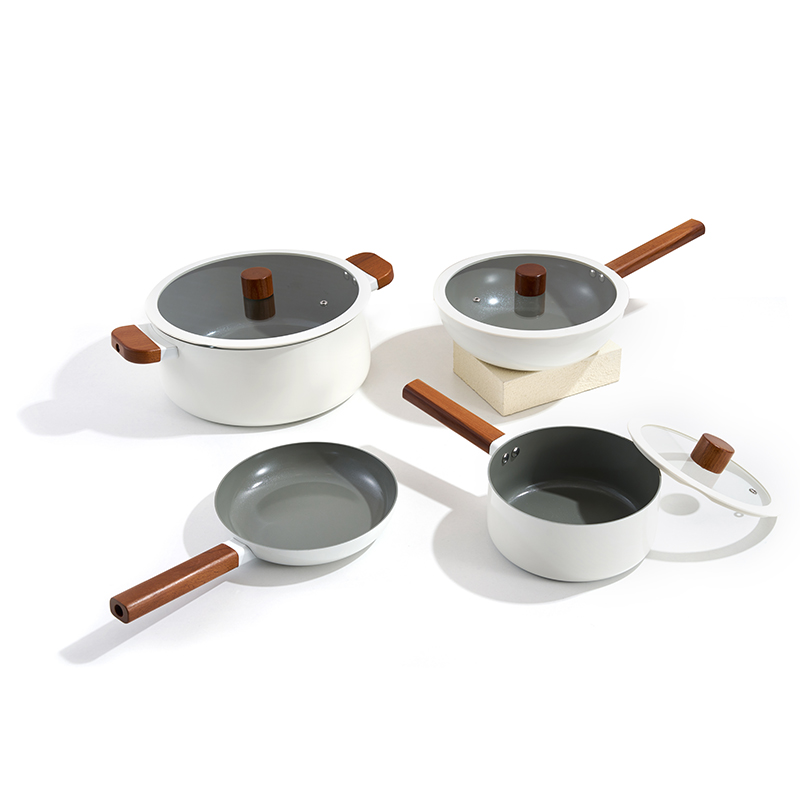
This cookware set has a ceramic non-stick inner liner, a heat-resistant wooden h...
See Details -
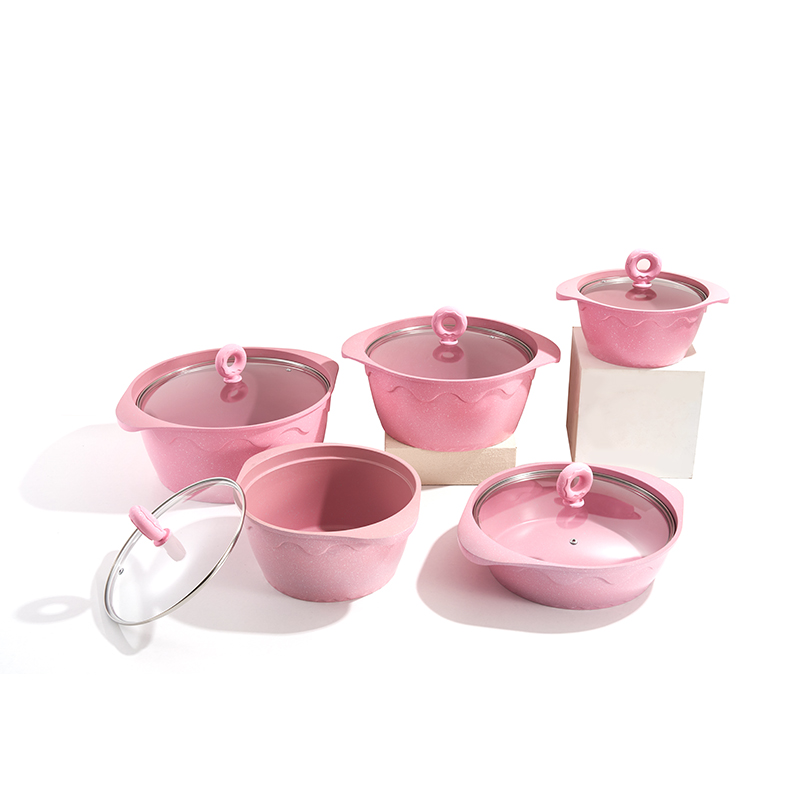
This cookware set is made of food-grade non-stick material, with a unique eye-ca...
See Details -
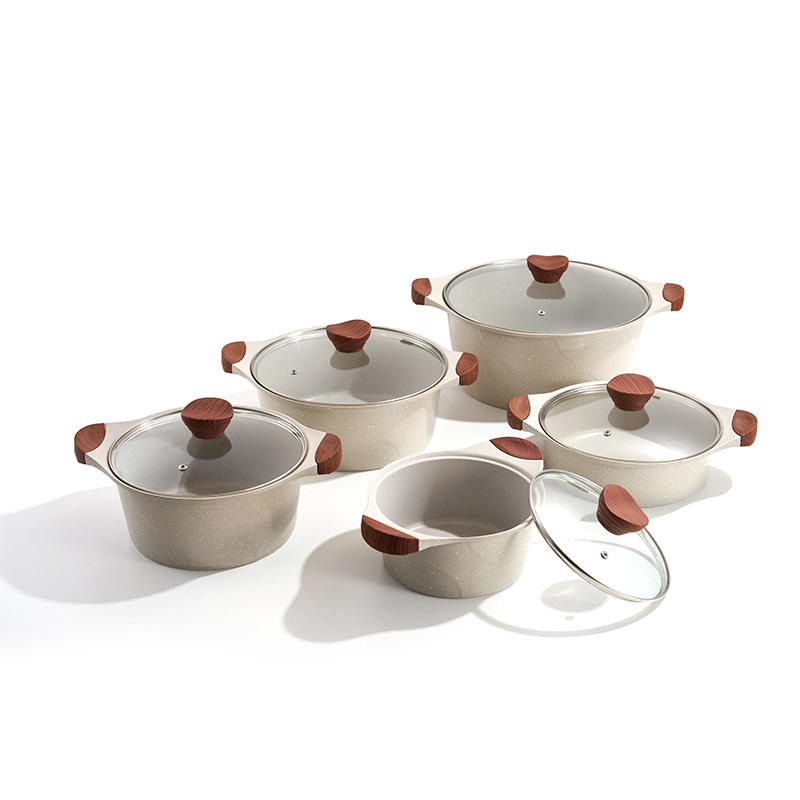
This off-white cookware set is made of wear-resistant non-stick material, with w...
See Details
Whether you're looking for bulk purchases or have any custom requirements, We are here to offer the best
solutions for you.
tiffany.zhong@echocn-trading.com
PHONE
+86-19561173975
+86-19557020621 (Hazel Wu)
ADD
Room 301, Unit 3014, No. 175 Qifeng Avenue, Wenqiao Town, Taizhou, Zhejiang, China
Fill Out the Form for More Information
Copyright © Zhejiang Echo Industry And Trade Co., Ltd.
All Rights Reserved.

China Cookware Set Manufacturer