
 en
en
 Español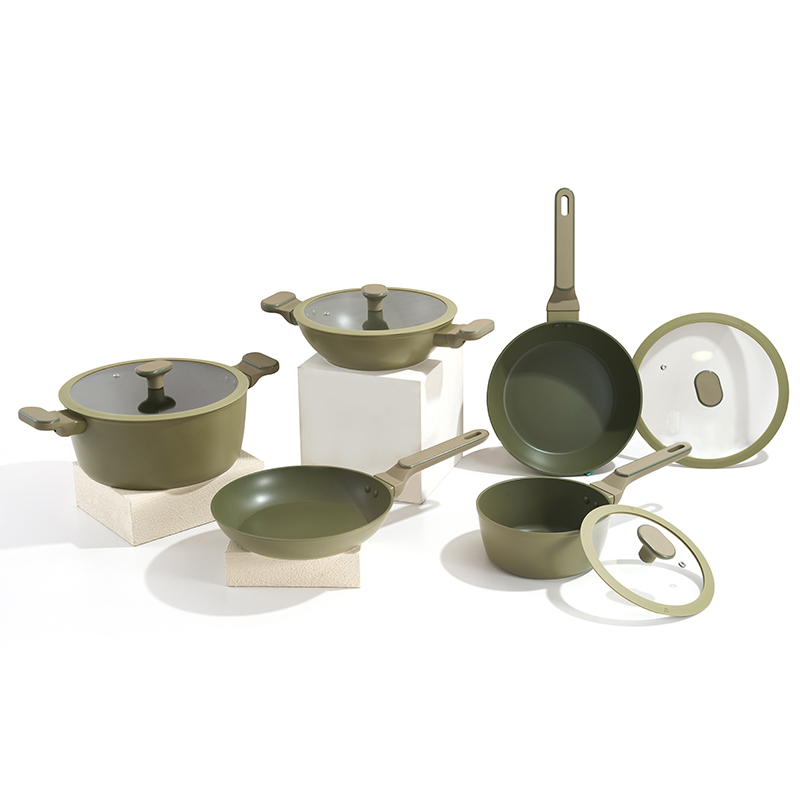
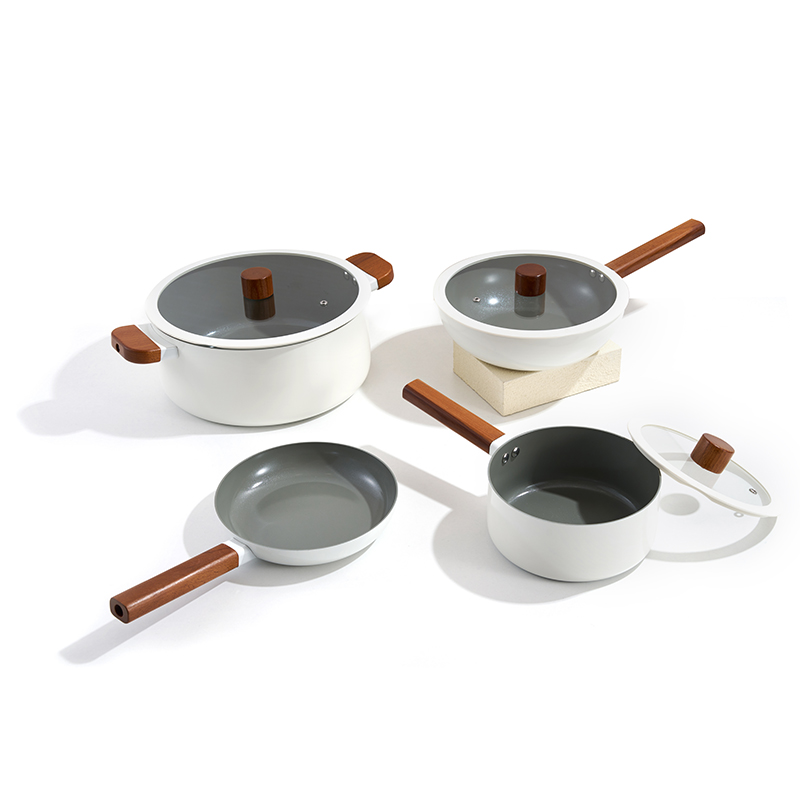
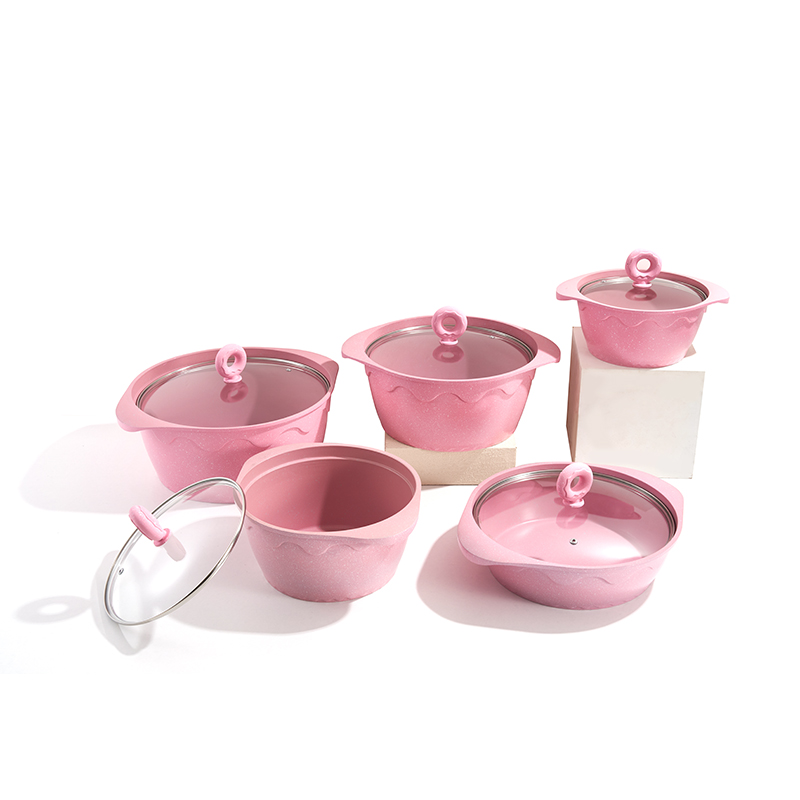
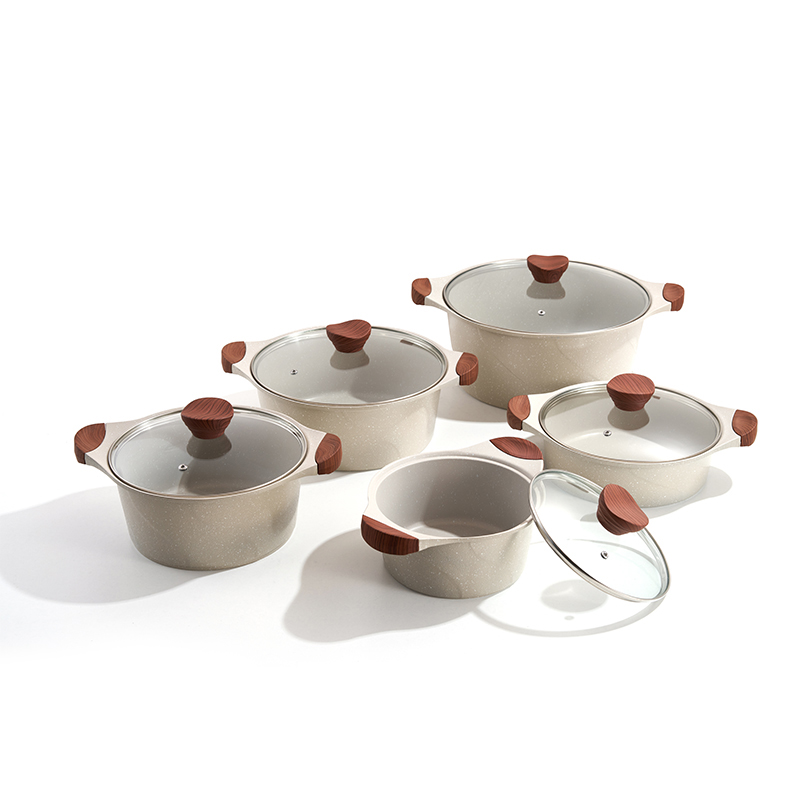
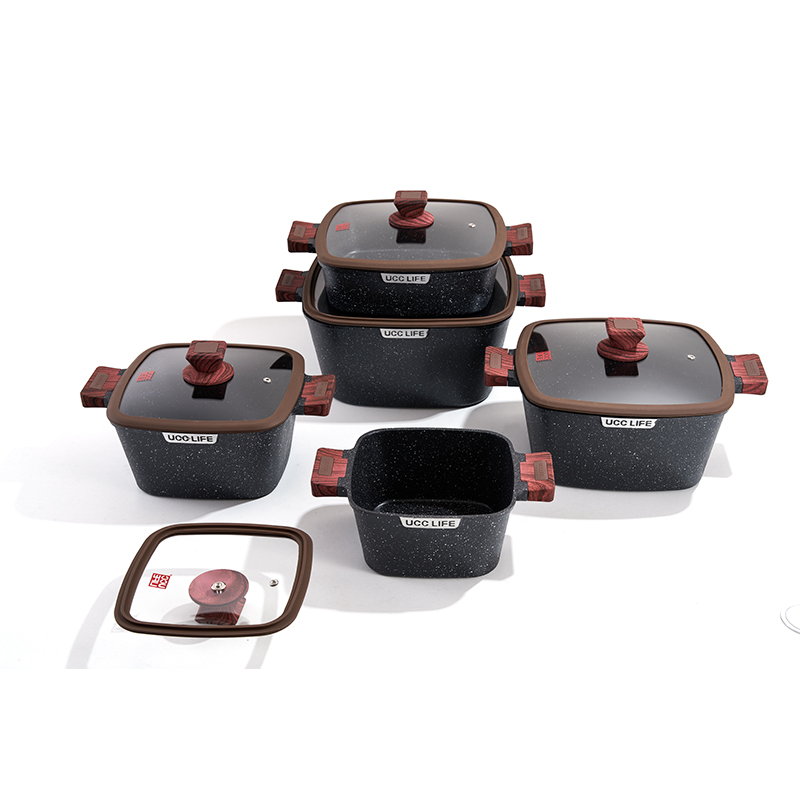
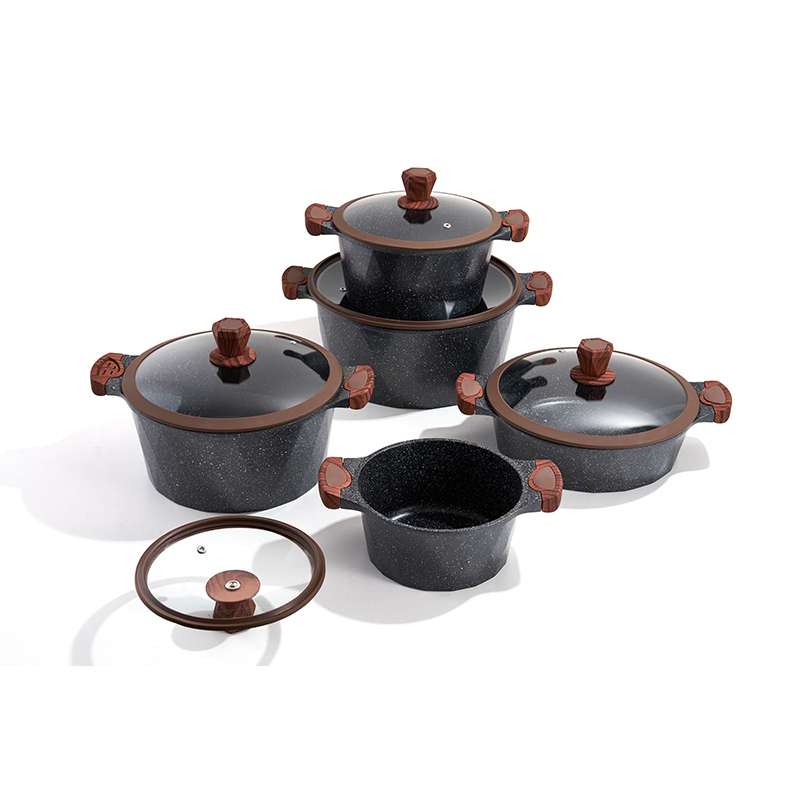
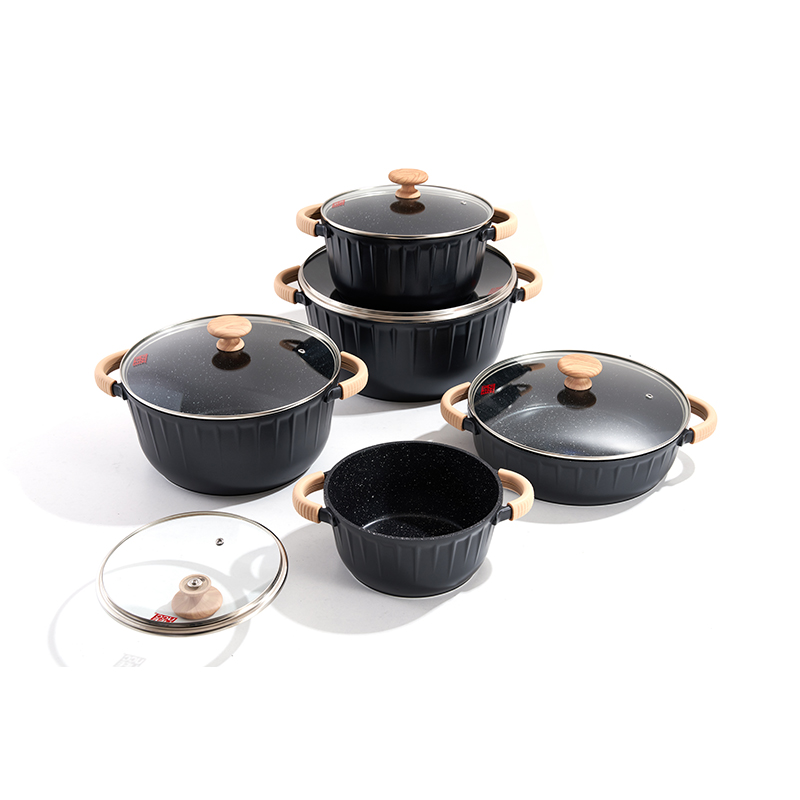
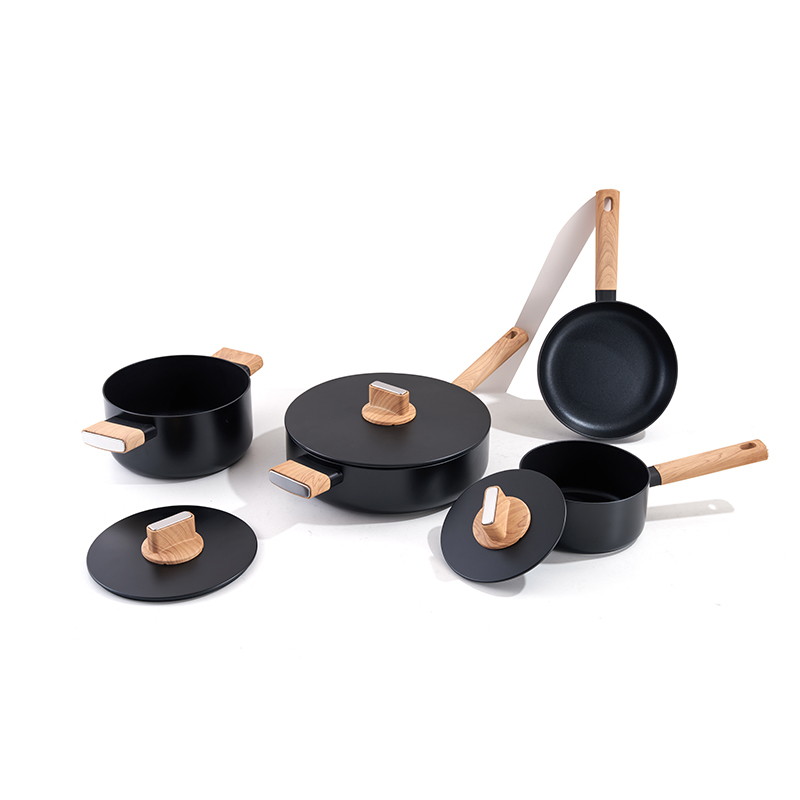
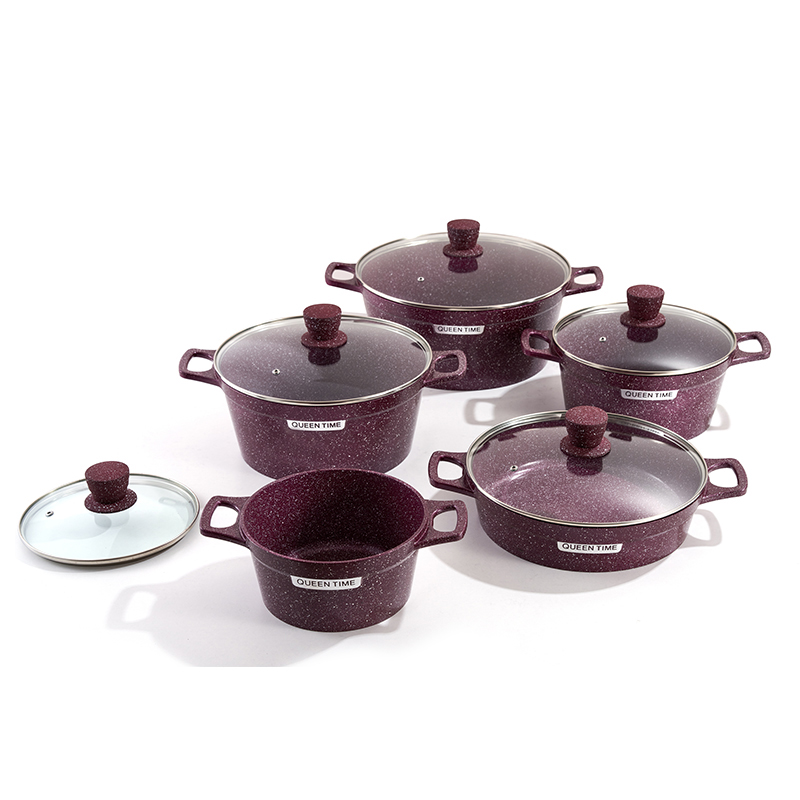
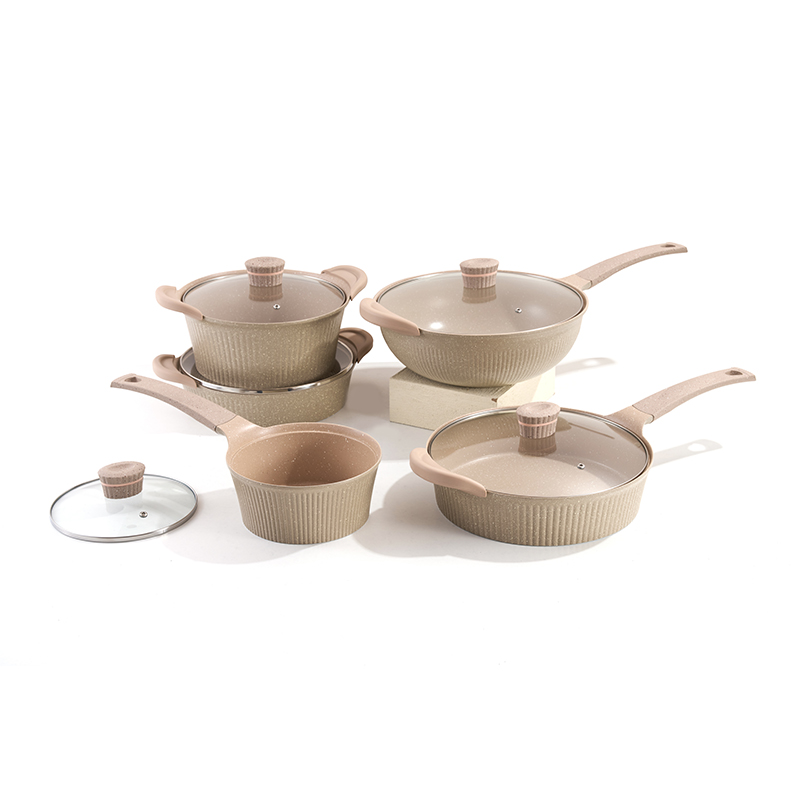
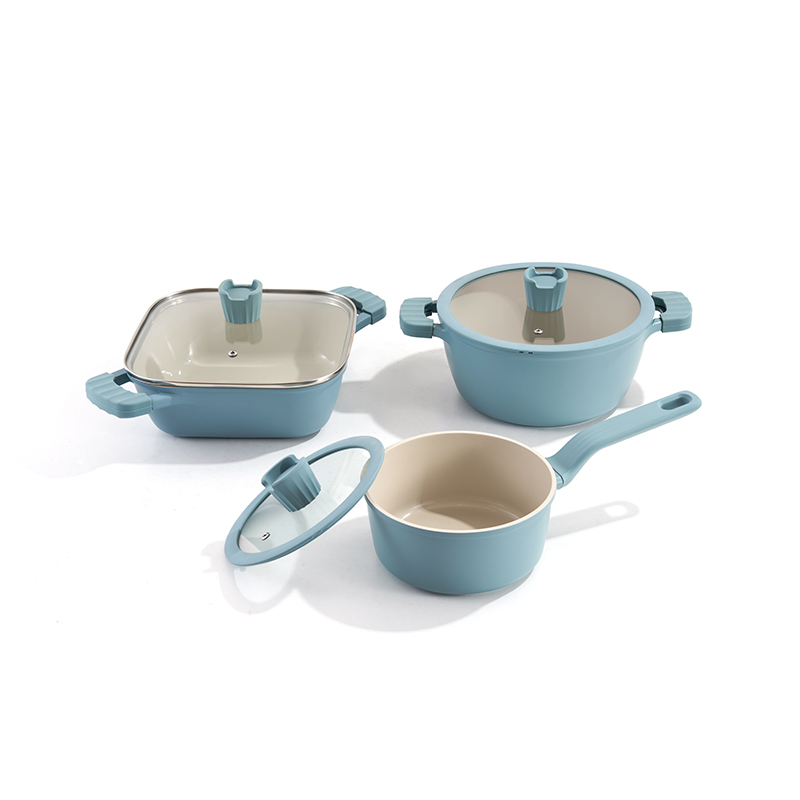
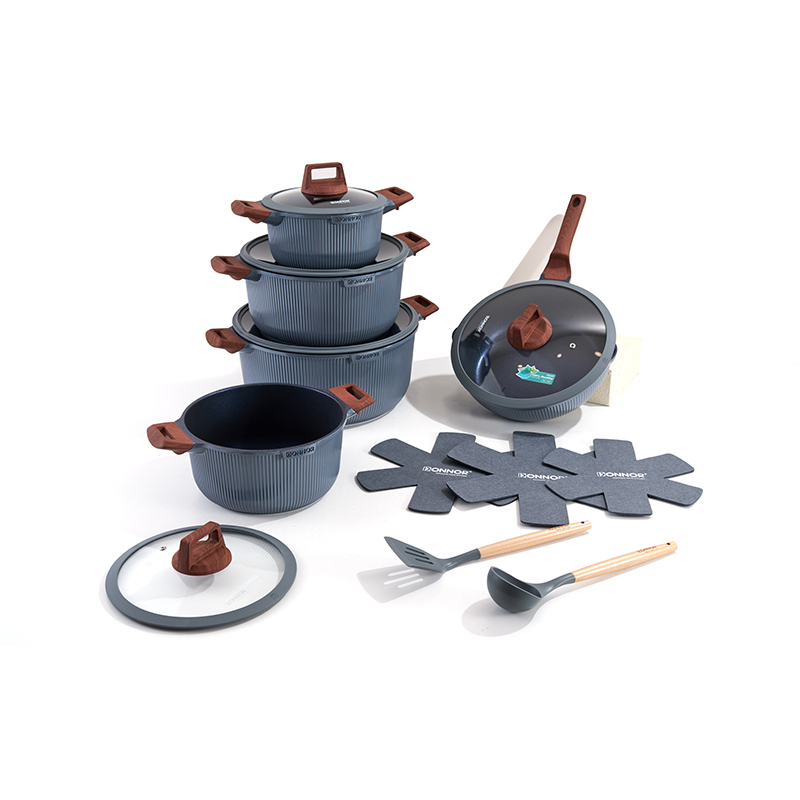
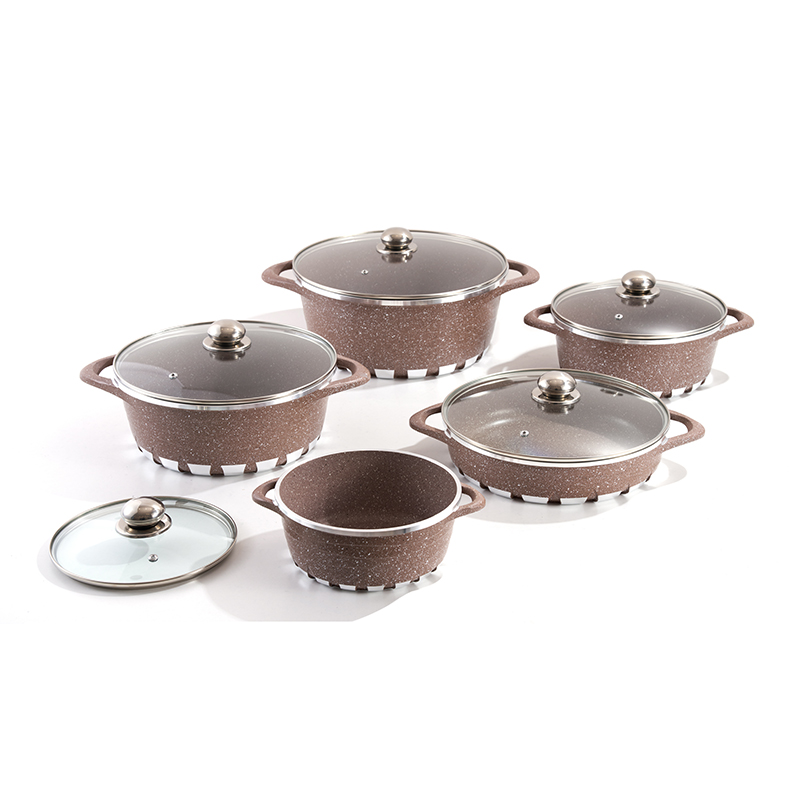
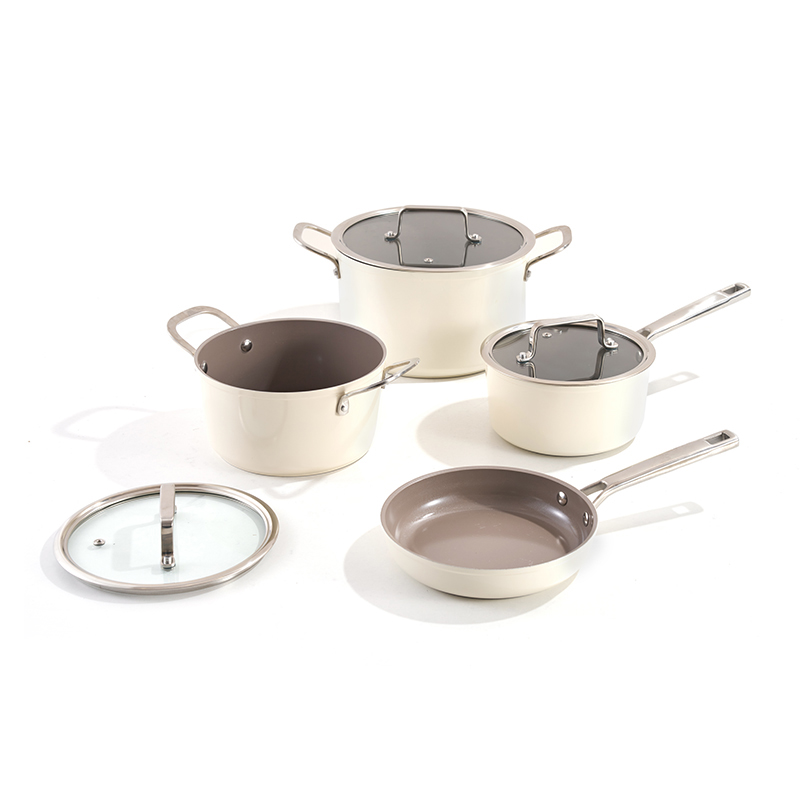
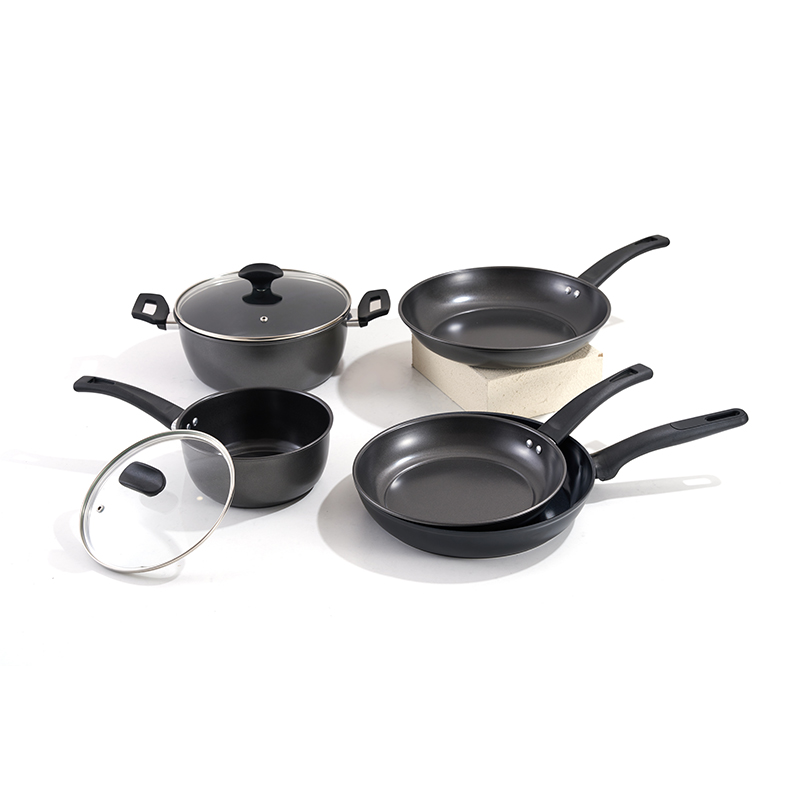
ECHO KITCHENWARE is a China Aluminum Cookware Manufacturer and Sale Aluminum Cookware Factory. We are based in Zhejiang, a globally renowned province with different cities focusing on the export business. We are exporting various types of high-end cookware and kitchen accessories to different countries and cities.
"At ECHO KITCHENWARE, our name 'ECHO' is more than just a symbol—it represents our mission. Over the past year, we have given the world a first taste of the sound from Zhejiang. For the future, I hope this echo will grow into a continuous roar."
In the future, ECHO KITCHENWARE will not settle for being just an "order-taking business." Our goal is to become the preferred "R&D-driven supply chain partner" for small and medium-sized kitchenware buyers worldwide. We will take every step solidly, so that the echo of "Made in Zhejiang" can grow from a gentle stream into a powerful voice that resonates across the oceans.

Aluminum Cookware Manufacturer
This category features premium aluminum cookware made of food-grade aluminum, combining lightweight portability with rapid heat conduction. It heats evenly to prevent burning and is compatible with gas stoves, induction cookers and other cooktops. Including soup pots, frying pans, steamers and more, the products undergo scratch-resistant and wear-resistant surface treatment, with no harmful coatings, easy to clean and maintain. Ideal for daily stewing, frying and other cooking needs, it is a practical and reliable choice for home kitchens.
About ECHO
Zhejiang Echo Industry And Trade Co., Ltd.
Message Feedback
Update News And Events
-
2026.10.09Are Your Cookware Specifications Ready for Multi-Site OrdersOpening several stores, supplying a hotel group, or coordinating kitchenware purchases across regional distributors requires more than placing a large order. Each location needs co
-
2026.10.02Are Shared Lids Changing the Way Cookware Sets Are DesignedCookware sets have traditionally included a dedicated lid for each covered pot or pan. That approach is straightforward, but it can create a storage problem as the number of pieces
-
2026.09.25Is a 5-Piece Cookware Set Enough for Everyday MealsCookware collections do not need to contain a dozen different pieces to handle everyday meals. The real question is whether the available shapes and capacities match the cooking ha
-
2026.09.18Can Stylish Cookware Sets Become Part of Kitchen DécorCookware has traditionally been stored inside cabinets and brought out only during meal preparation. Modern kitchen layouts are changing that habit. Open shelving, hanging racks, k
-
2026.09.11Pressed Aluminum Cookware: How Does Shape Affect CookingCookware shape is more than a visual feature. The diameter of the base, height of the sidewalls, curvature between the bottom and sides, and overall depth can change how food conta
Aluminum Cookware vs Cast Iron and Non-Stick Pans: Performance, Safety, and Everyday Cooking Insights
Aluminum Cookware:
Definition:
Aluminum cookware is basically any pot or pan made from aluminum or an aluminum blend. You've probably used it more than you realize—light frying pans, everyday saucepans, that kind of thing.
Explanation:
What stands out with aluminum is how fast it moves. Heat it, and it reacts almost immediately. Drop the heat, and it cools down quicker than heavier cookware. That sounds simple, but it actually changes how you cook—especially if you're used to guessing temperature with thicker pans.
That's why searches like “is aluminum cookware safe for daily cooking” or “why do restaurants use aluminum pans” keep coming up. People notice it feels different, then start questioning it.
Most modern aluminum cookware isn't raw aluminum anymore. It's usually anodized or coated, which makes it more stable and less reactive with foods like tomato sauce or vinegar-based dishes. It also just feels more durable in daily use.
Q1: Is aluminum cookware safe to use every day?
In most cases, yes. Especially anodized or coated pans. Those layers are really what make the difference.
Q2: Why is aluminum cookware so common in professional kitchens?
Speed and control. When you're cooking dozens of dishes, you want something that reacts fast without waiting around.
Q3: Does aluminum cookware last long?
It depends. Thin pans can warp or wear out. But hard-anodized ones are surprisingly tough and can hold up for years if you don't abuse them.
Differences Between Cast Iron Cookware and Aluminum Cookware Sets
Definition:
Cast iron cookware is heavy, dense, and built to hold heat. Aluminum cookware sets are light, fast, and easier to handle day to day.
Explanation:
The difference shows up the moment you start cooking. Cast iron takes its time. It slowly builds heat, but once it gets there, it doesn't let go easily. That's why people love it for steaks or anything that needs steady, even heat.
Aluminum is more immediate. You change the flame, and it responds almost right away. That makes it easier for quick meals where you're constantly adjusting things—stir-fries, sauces, scrambled eggs.
A lot of people searching “cast iron vs aluminum cookware for beginners” are really just trying to figure out what won't frustrate them in daily cooking.
Maintenance is another real-world difference. Cast iron needs seasoning and a bit of care or it can rust. Aluminum is simpler—especially anodized versions—but it doesn't have that same “hold heat forever” behavior.
In practice:
· Cast iron: slow, steady, great for searing and oven cooking
· Aluminum: quick, flexible, better for everyday stovetop meals
Honest takeaway:
Most people end up using both without planning it. Cast iron comes out when you want depth and heat stability. Aluminum gets used when you just want dinner done without thinking too much about it.
What Are the Main Mechanisms Behind Non-Stick Cookware, and What Precautions Should Be Taken?
Definition:
Non-stick cookware is designed so food doesn't cling to the surface, making cooking and cleanup easier with less oil.
Explanation (how it works in real life):
There are a few different ways this “non-stick” effect actually happens.
1. PTFE coatings:
These are the classic ones. They create a very smooth surface where food doesn't have much to grab onto. That's why eggs slide so easily when the pan is in good shape.
2. Ceramic coatings:
These feel a bit different. Instead of a slick polymer layer, you get a harder mineral-like surface. It works fine for light cooking, though it behaves differently over time and heat.
3. Surface-treated metals:
Anodized aluminum fits here. No extra coating layer, just a changed surface that's harder and less reactive.
People usually start searching things like “why do non-stick pans stop working” or “ceramic vs Teflon, which is better” once they notice performance isn't the same across all pans.
Where it actually matters:
· Breakfast foods like eggs or pancakes
· Light frying with minimal oil
· Quick weekday meals when you don't want a mess
Precautions (the practical stuff):
· Don't run non-stick pans on high heat for no reason
· Avoid metal utensils unless the pan is clearly rated for it
· If the surface starts flaking, it's basically done
· Medium heat usually does the job better anyway
Whether you're looking for bulk purchases or have any custom requirements, We are here to offer the best
solutions for you.
tiffany.zhong@echocn-trading.com
PHONE
+86-19561173975
+86-19557020621 (Hazel Wu)
ADD
Room 301, Unit 3014, No. 175 Qifeng Avenue, Wenqiao Town, Taizhou, Zhejiang, China
Fill Out the Form for More Information
Copyright © Zhejiang Echo Industry And Trade Co., Ltd.
All Rights Reserved.

Non-Stick Cookware Factory