
 en
en
 Español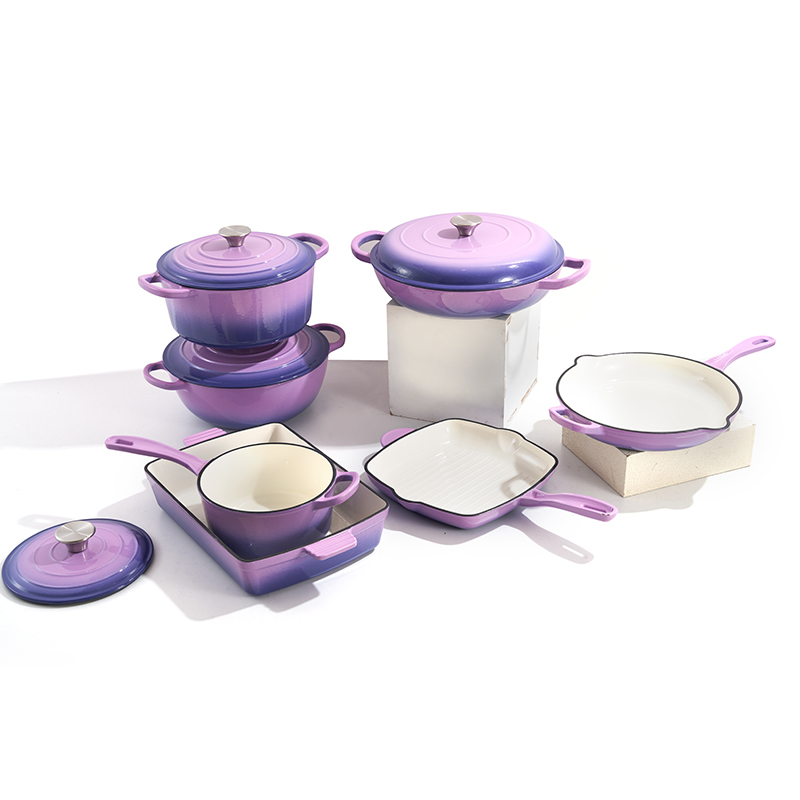
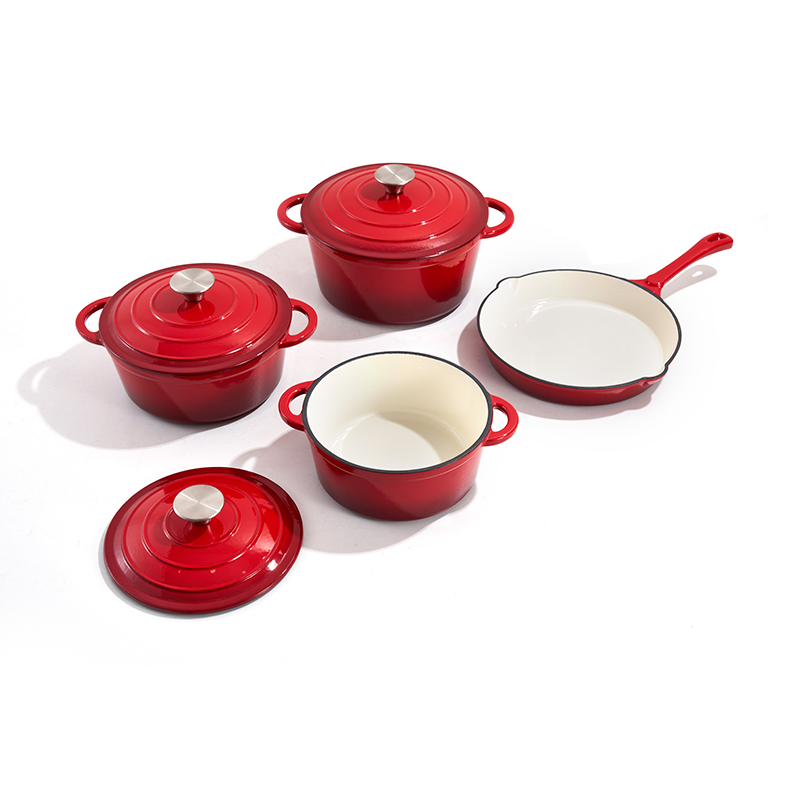
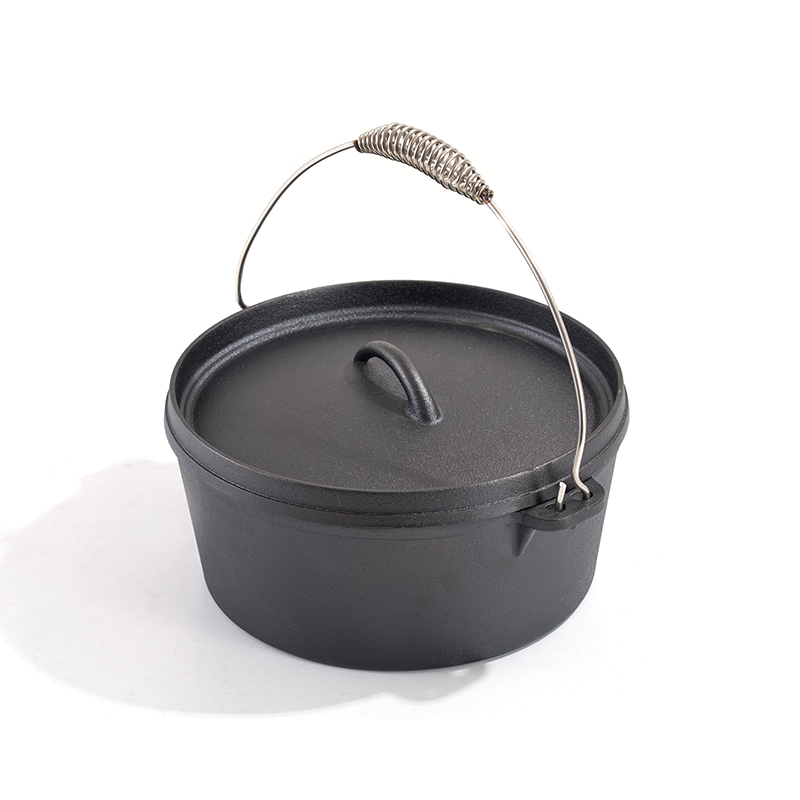
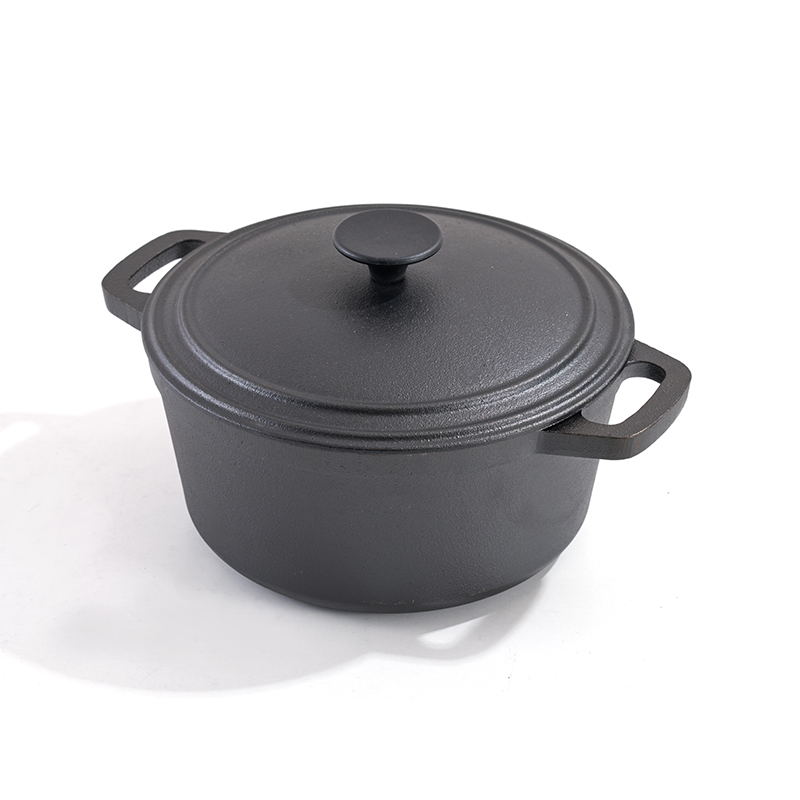
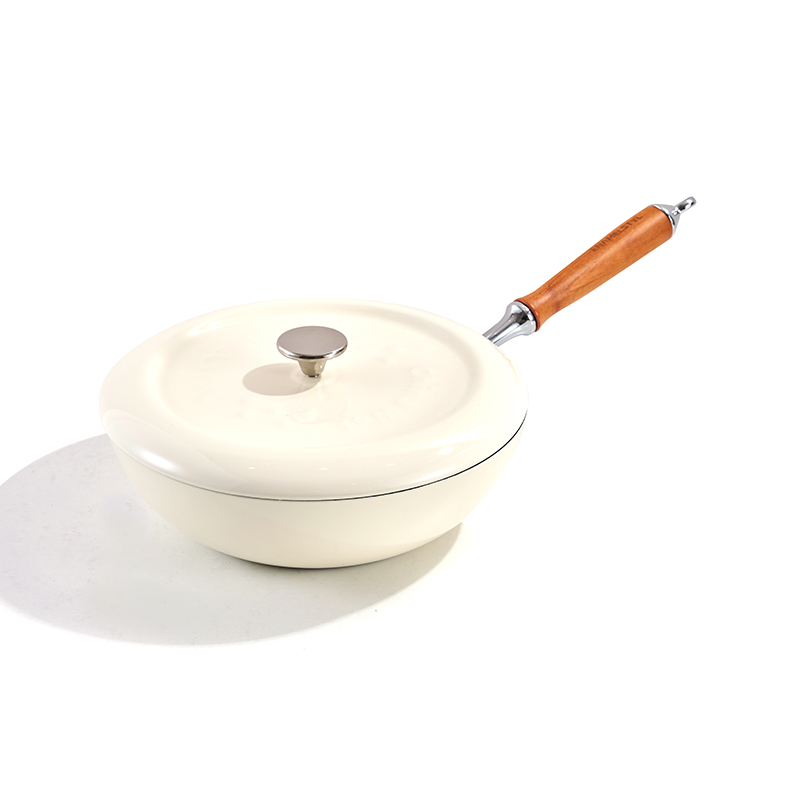
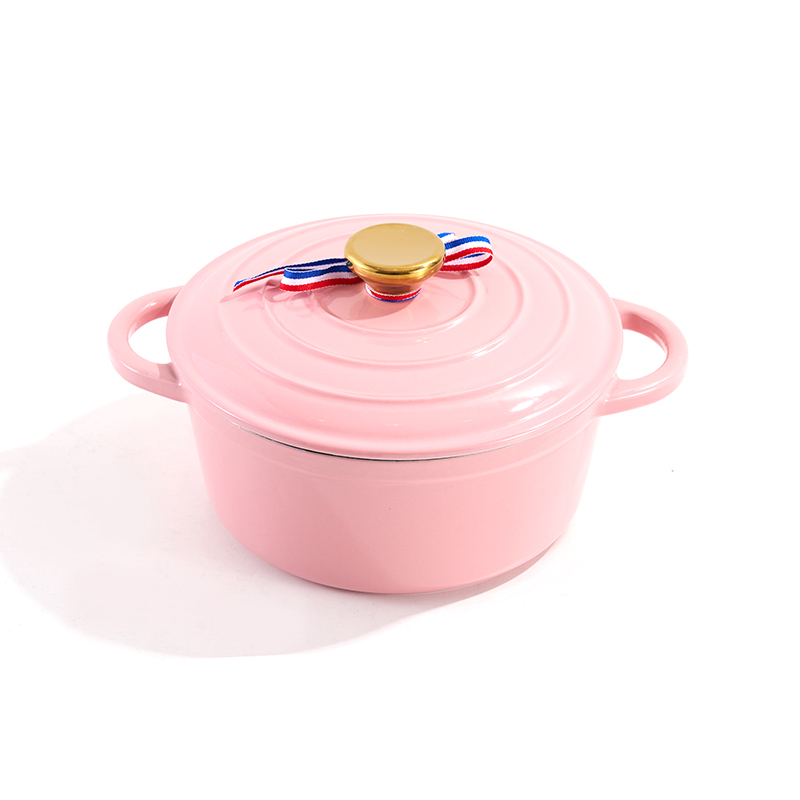
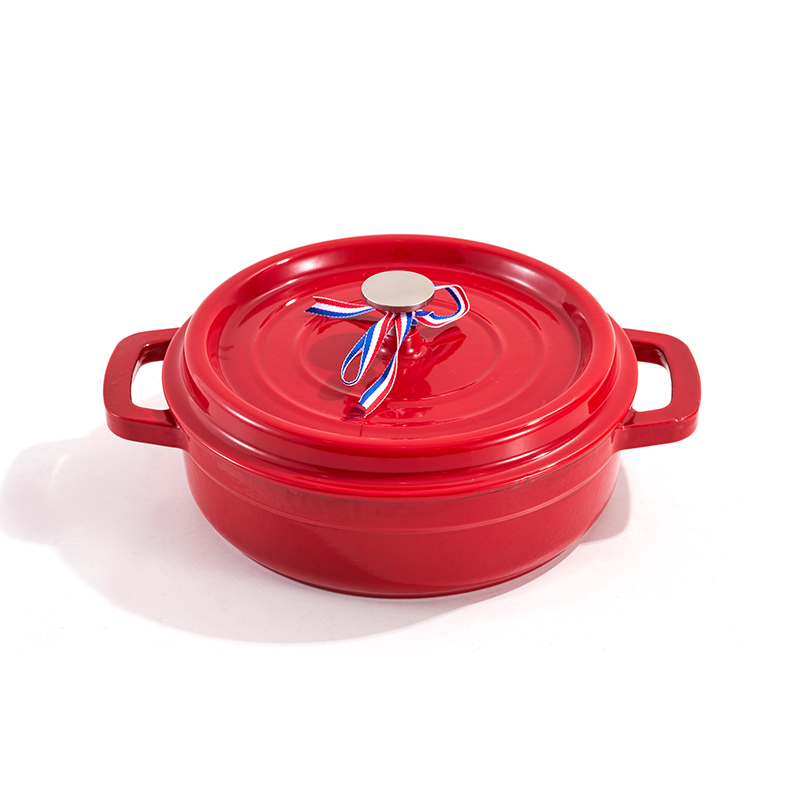
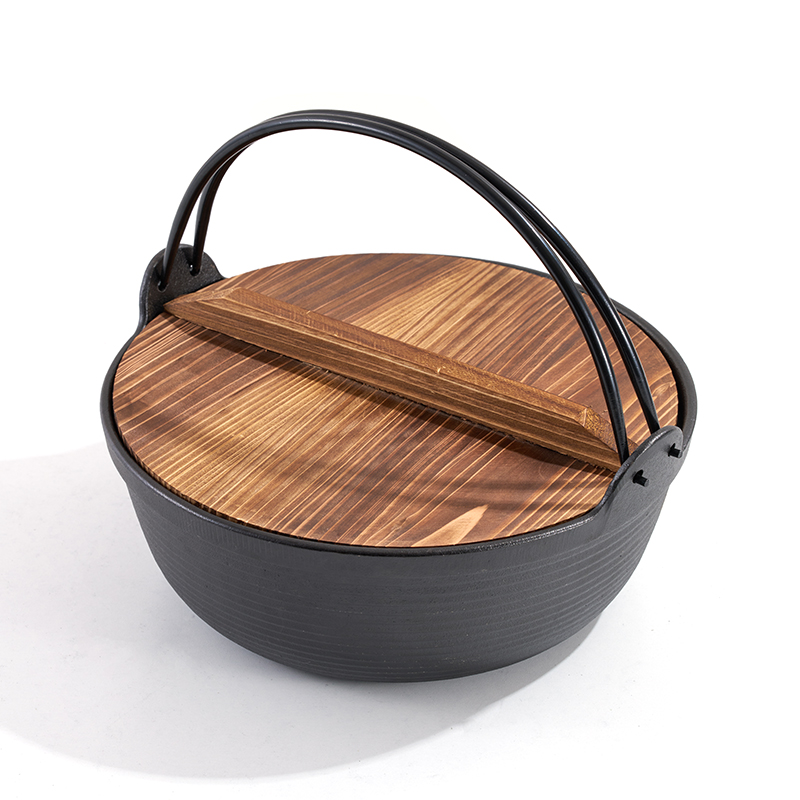
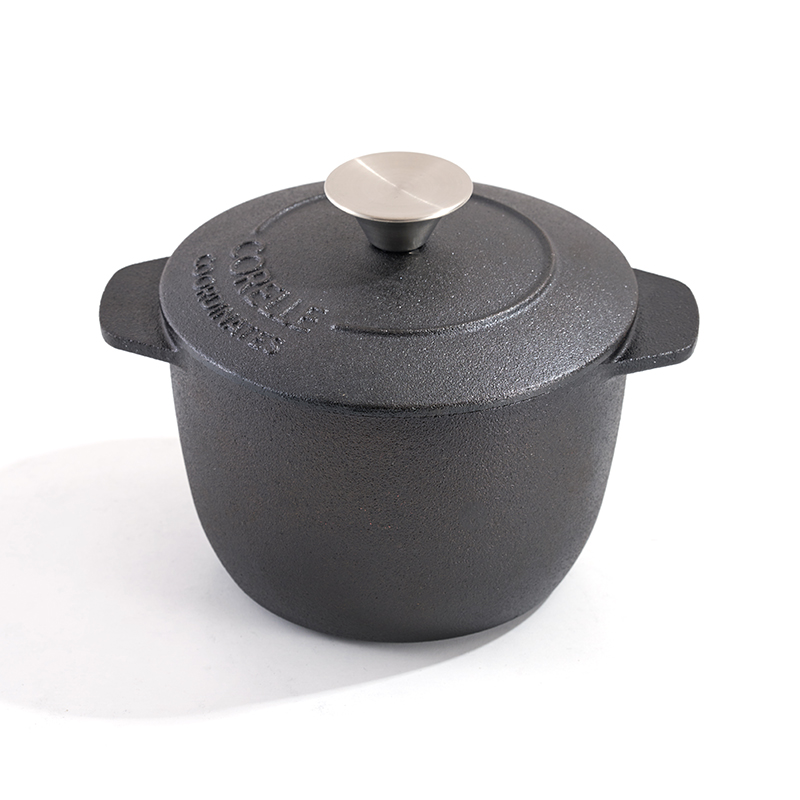
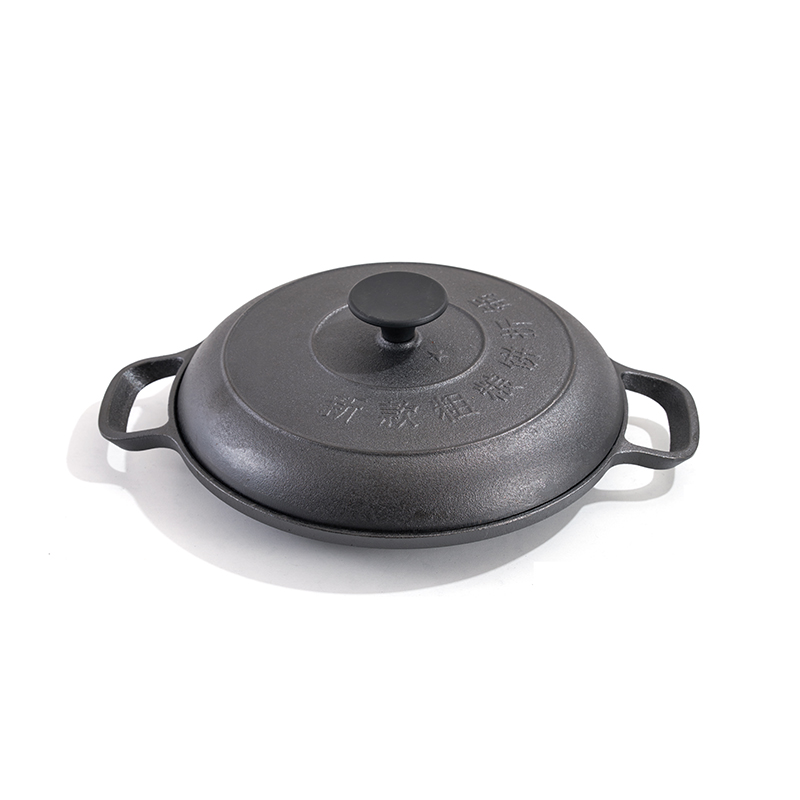
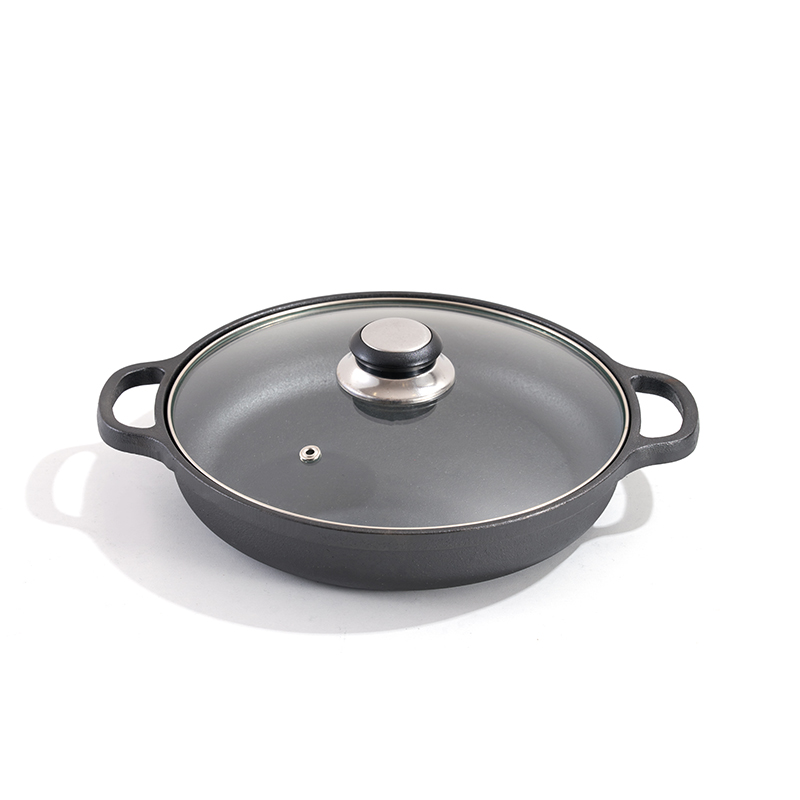
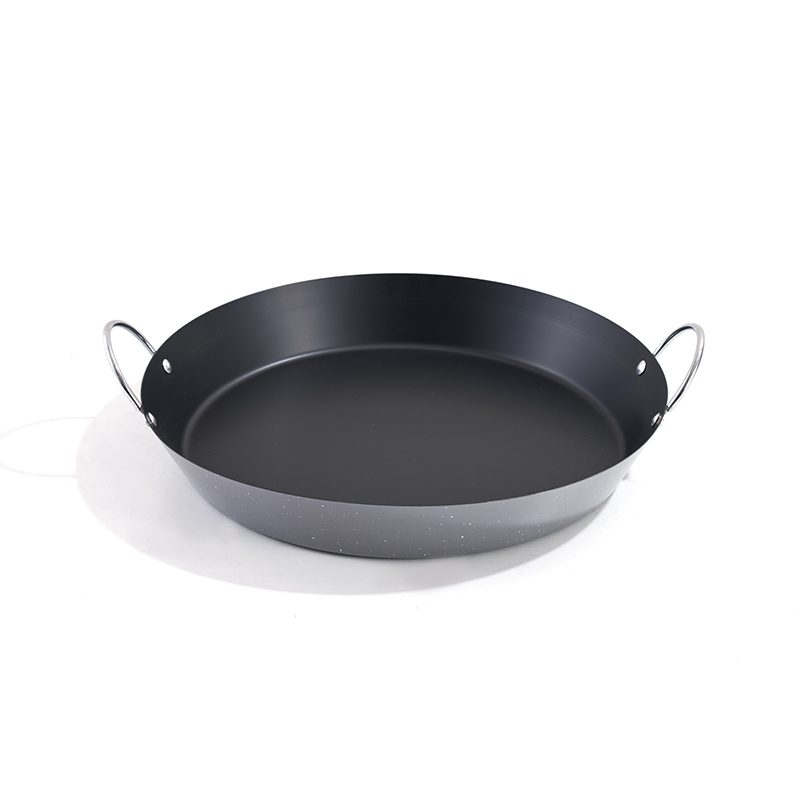
ECHO KITCHENWARE is a China Iron Cookware Manufacturer and Sale Iron Cookware Factory. We are based in Zhejiang, a globally renowned province with different cities focusing on the export business. We are exporting various types of high-end cookware and kitchen accessories to different countries and cities.
"At ECHO KITCHENWARE, our name 'ECHO' is more than just a symbol—it represents our mission. Over the past year, we have given the world a first taste of the sound from Zhejiang. For the future, I hope this echo will grow into a continuous roar."
In the future, ECHO KITCHENWARE will not settle for being just an "order-taking business." Our goal is to become the preferred "R&D-driven supply chain partner" for small and medium-sized kitchenware buyers worldwide. We will take every step solidly, so that the echo of "Made in Zhejiang" can grow from a gentle stream into a powerful voice that resonates across the oceans.

Cast Iron Cookware Manufacturer
Crafted from raw cast iron, this cookware features a sturdy and heavy-duty build with even heat distribution and long-lasting heat retention. Free of chemical coatings, it is healthier and eco-friendly. Ideal for frying, stir-frying, stewing, boiling and baking, it is high-temperature resistant and corrosion-proof. A natural non-stick oil film will form with long-term use. Combining practicality and retro charm, it is a durable and versatile all-round cooking utensil for the kitchen.
About ECHO
Zhejiang Echo Industry And Trade Co., Ltd.
Message Feedback
Update News And Events
-
2026.10.09Are Your Cookware Specifications Ready for Multi-Site OrdersOpening several stores, supplying a hotel group, or coordinating kitchenware purchases across regional distributors requires more than placing a large order. Each location needs co
-
2026.10.02Are Shared Lids Changing the Way Cookware Sets Are DesignedCookware sets have traditionally included a dedicated lid for each covered pot or pan. That approach is straightforward, but it can create a storage problem as the number of pieces
-
2026.09.25Is a 5-Piece Cookware Set Enough for Everyday MealsCookware collections do not need to contain a dozen different pieces to handle everyday meals. The real question is whether the available shapes and capacities match the cooking ha
-
2026.09.18Can Stylish Cookware Sets Become Part of Kitchen DécorCookware has traditionally been stored inside cabinets and brought out only during meal preparation. Modern kitchen layouts are changing that habit. Open shelving, hanging racks, k
-
2026.09.11Pressed Aluminum Cookware: How Does Shape Affect CookingCookware shape is more than a visual feature. The diameter of the base, height of the sidewalls, curvature between the bottom and sides, and overall depth can change how food conta
Cast Iron vs. Aluminum Cookware: Performance, Care, and Induction Buying Essentials
Many home cooks end up keeping both cast iron and aluminum in their kitchens because each one handles certain meals better than the other. Cast iron is made by pouring molten iron into sand molds, giving it thick, heavy walls that hold onto heat for a long time. Aluminum pots are pressed or spun from lighter metal sheets, so they warm up fast but lose temperature just as quickly.
Differences Between Cast Iron Cookware and Aluminum Pots
Here's what stands out once you start using them regularly:
Heat behavior: Cast iron keeps steady, even heat and stays hot long after you turn off the burner—perfect for searing steaks or baking cornbread that needs consistent warmth. Aluminum responds quickly to dial changes, which helps when you're making a quick sauce or sautéing vegetables that can overcook in seconds.
Weight: A standard cast iron skillet can feel like a workout at 6–8 pounds, offering good stability on the stove but tiring out your wrist during repeated tossing. Aluminum pieces are often half that weight or less, making them easy to handle for everyday flipping and pouring.
Long-term durability: Seasoned cast iron can last generations if you take care of the patina; it actually gets better with use.
Price and value: Aluminum sets are budget-friendly right out of the box. Cast iron costs more upfront, but rarely needs replacing if treated right.
Flavor and health angle: Bare cast iron can add a tiny bit of dietary iron to acidic foods. Uncoated aluminum may leach small amounts if the surface gets damaged.
Stovetop compatibility: Both work on gas and electric, but cast iron needs a moment to heat evenly on induction compared to stainless or specially made aluminum bases.
Can Cast Iron Cookware Sets Be Washed in a Dishwasher?
For most traditional cast iron, the honest answer is no. Dishwasher detergent is too harsh and strips away the seasoning you've built up, while the long wet cycle invites rust that can ruin the surface and change how food tastes. Enameled cast iron is more forgiving because the glossy coating protects the iron underneath, but even those pieces can start to look dull or chip around the edges after many cycles.
Cast Iron Type Dishwasher Safe? Main Risks, Recommended Care, and Effect on Longevity
| Cast Iron Type | Dishwasher Safe? | Main Risks | Recommended Care | Effect on Longevity |
| Bare / traditionally seasoned | No | Loses seasoning, develops rust | Rinse with hot water, dry right away, oil lightly | Shortens if done regularly |
| Enameled (like Le Creuset) | Yes, but check label | Possible edge chipping over time | Top rack, gentle cycle preferred | Holds up well with occasional use |
| Nonstick-lined cast iron | No | Coating breaks down from heat and soap | Hand wash only | Coating wears out faster |
In real life, skipping the dishwasher keeps your cast iron performing like new for years. A fast hand wash with mild soap—or just hot water for well-seasoned pans—followed by complete drying is usually enough. If you have enameled Dutch ovens, an occasional top-rack run won't destroy them, but hand washing still keeps that bright finish looking fresh longer.
What factors should be considered when choosing an Induction Cookware Set?
When shopping for induction cookware, the first thing to verify is magnetic compatibility. The base must contain enough iron or steel for the magnetic field to work— a simple fridge magnet test on the bottom tells you right away. Pure aluminum won't work unless it has a bonded steel disk added. Flat, smooth contact with the cooktop surface is equally important so heat transfers evenly without wasting energy or creating hot spots.
Handles matter for daily comfort and safety—look for ones that stay cool longer or have secure rivets that won't loosen after repeated use.
Whether you're looking for bulk purchases or have any custom requirements, We are here to offer the best
solutions for you.
tiffany.zhong@echocn-trading.com
PHONE
+86-19561173975
+86-19557020621 (Hazel Wu)
ADD
Room 301, Unit 3014, No. 175 Qifeng Avenue, Wenqiao Town, Taizhou, Zhejiang, China
Fill Out the Form for More Information
Copyright © Zhejiang Echo Industry And Trade Co., Ltd.
All Rights Reserved.

Induction Cookware Set