
 en
en
 Español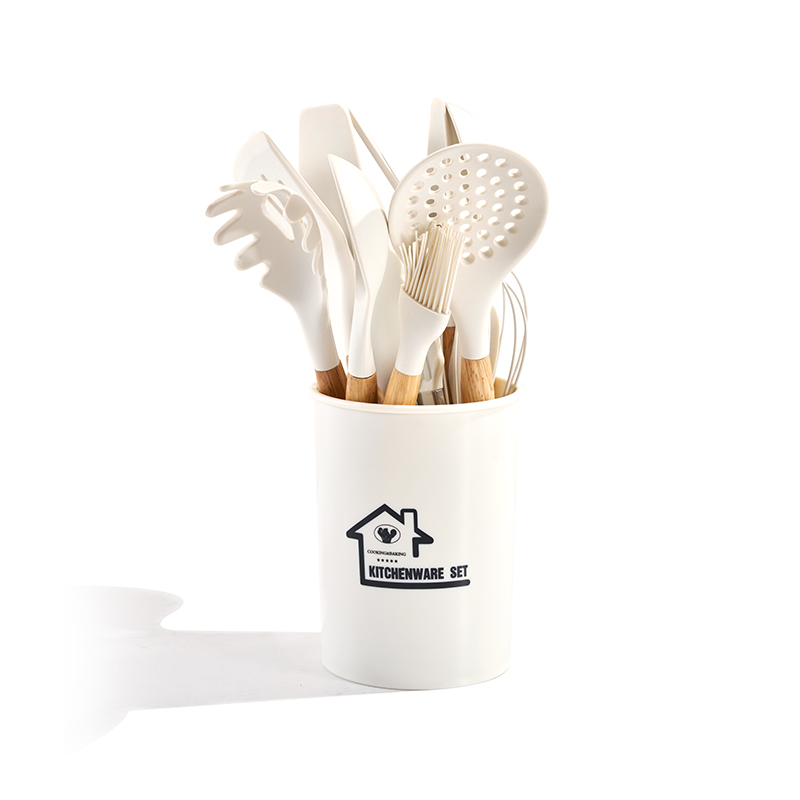
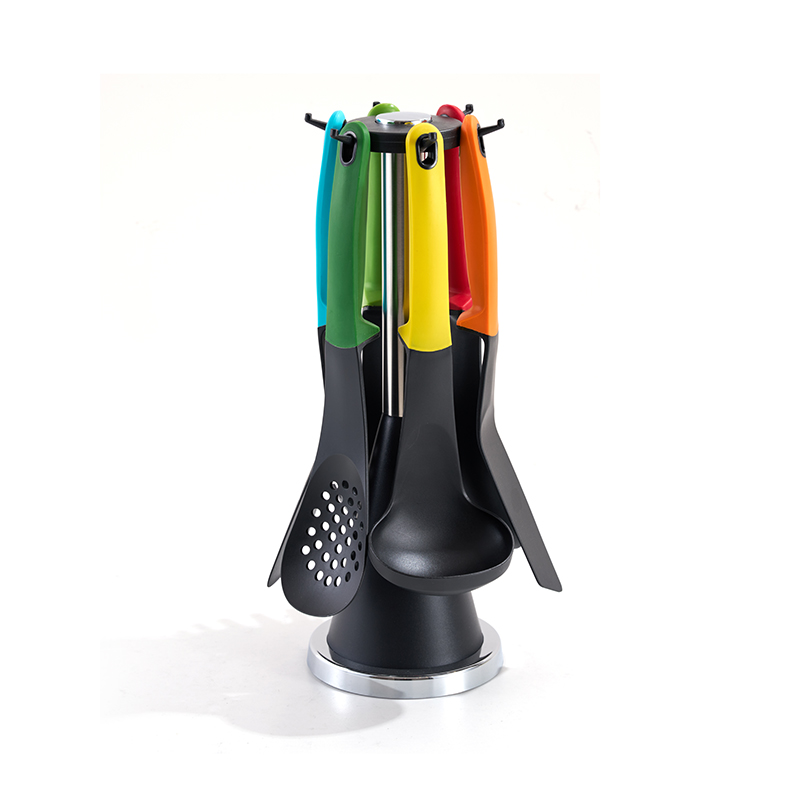
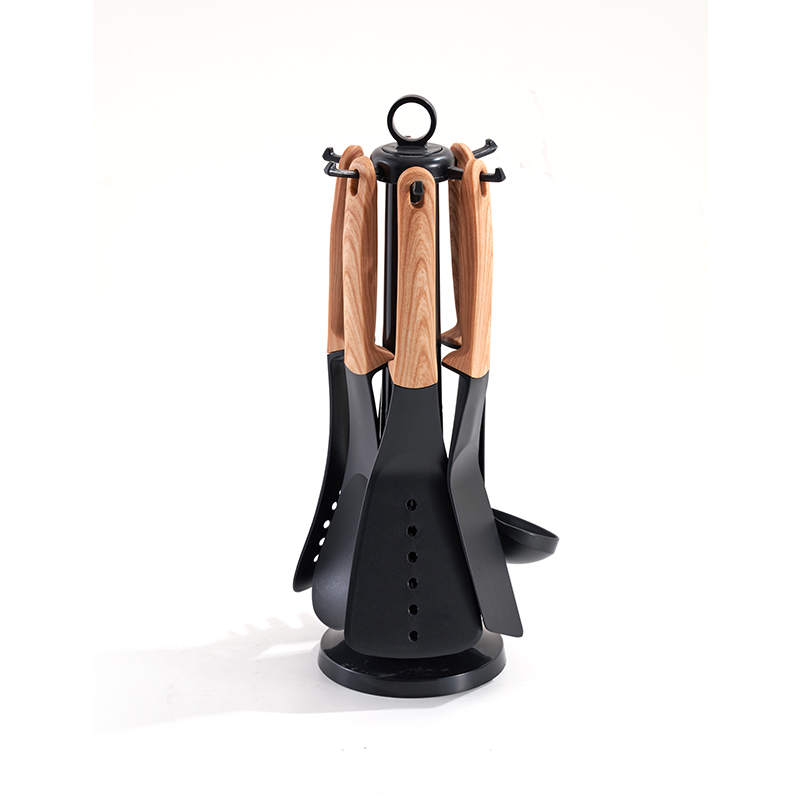
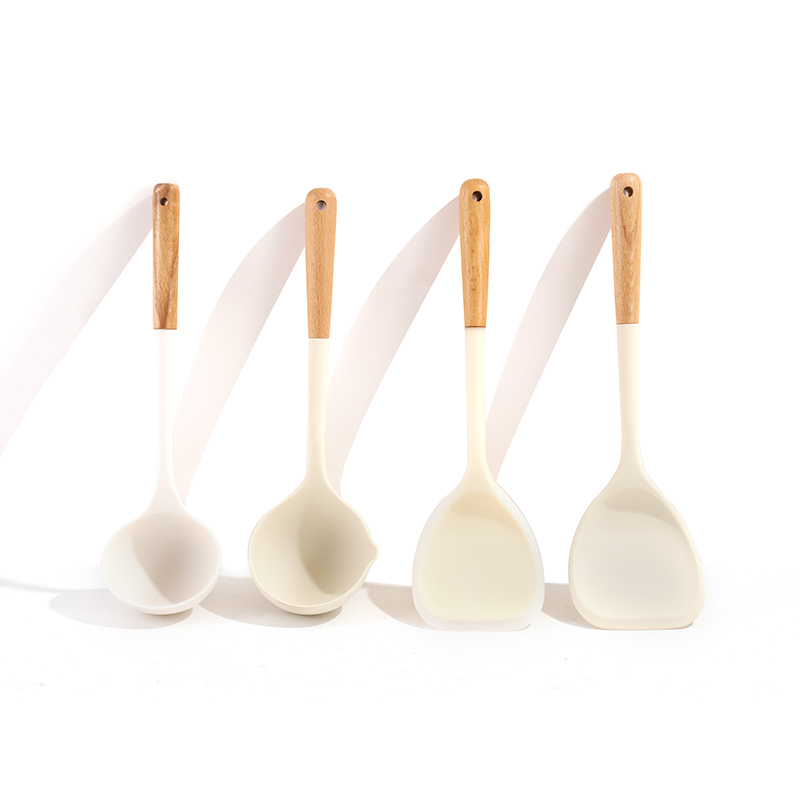
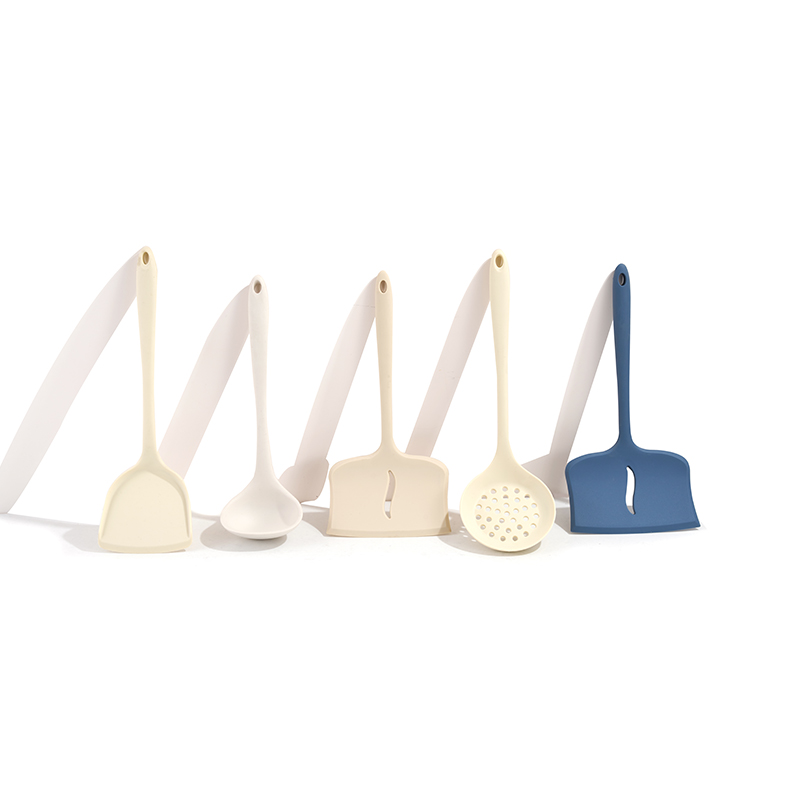
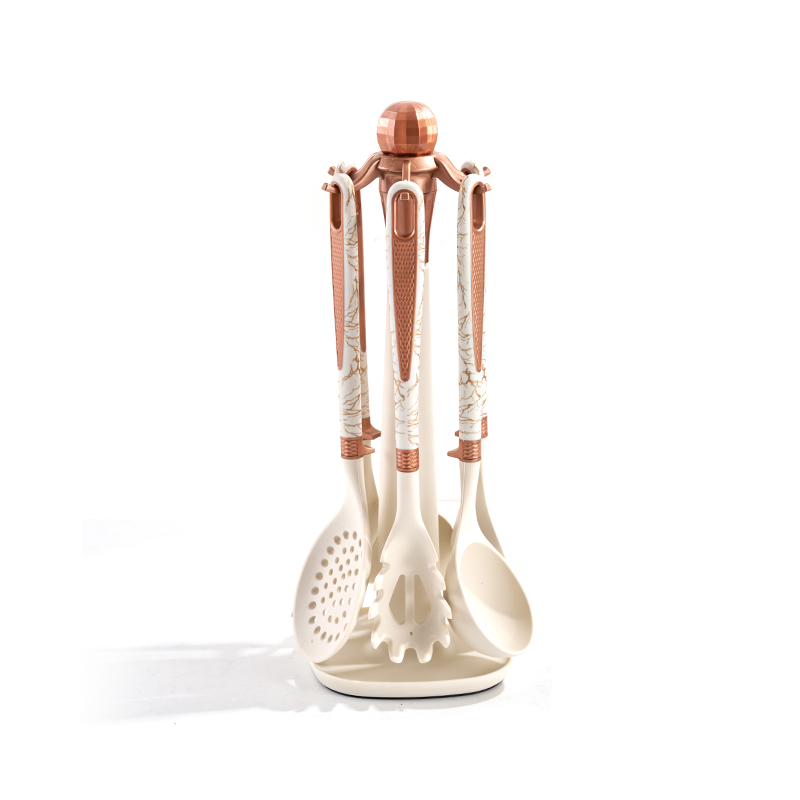
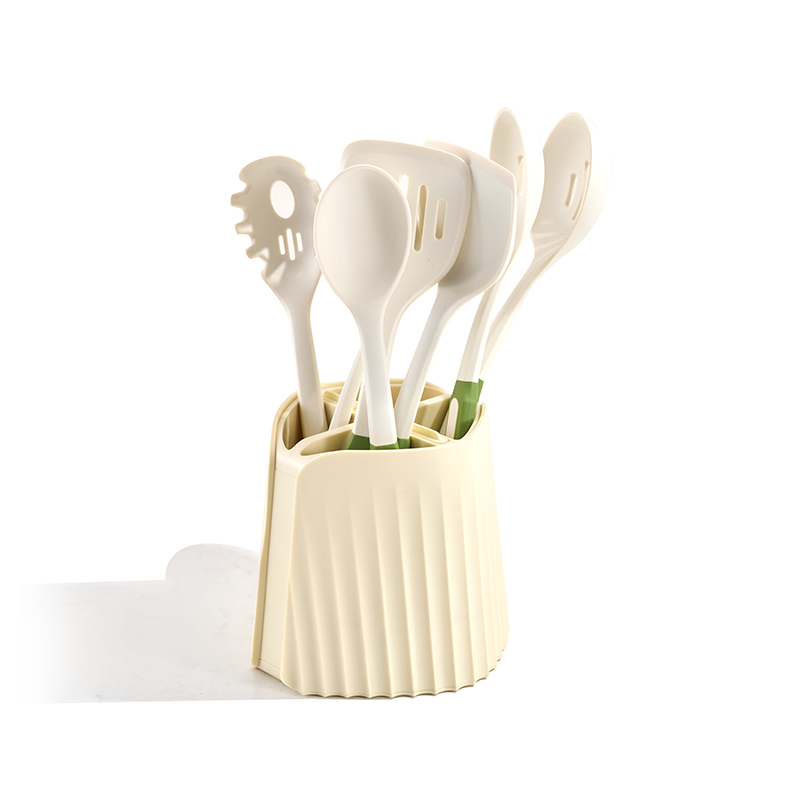
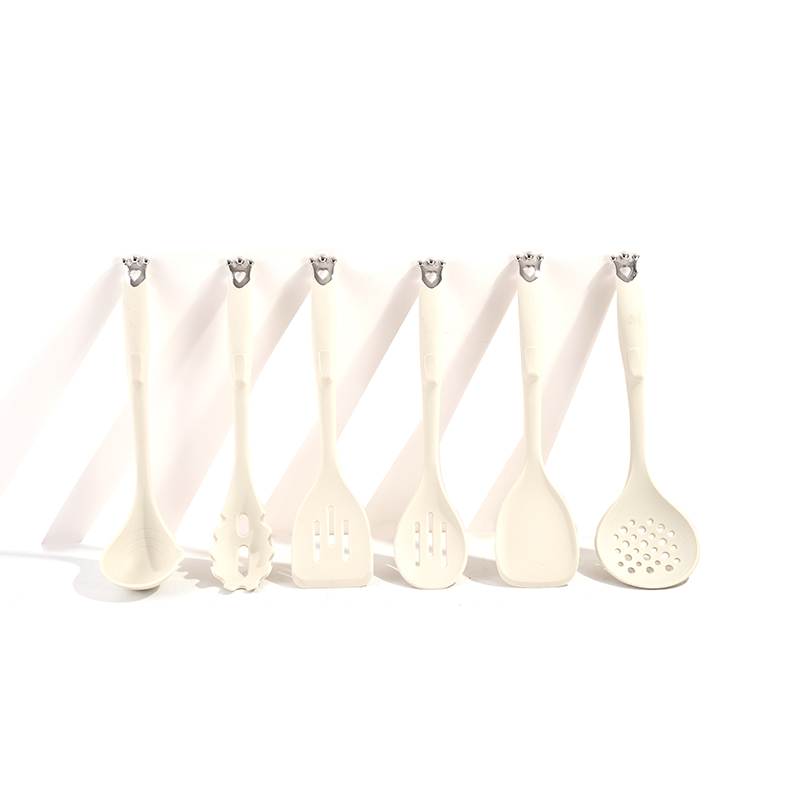
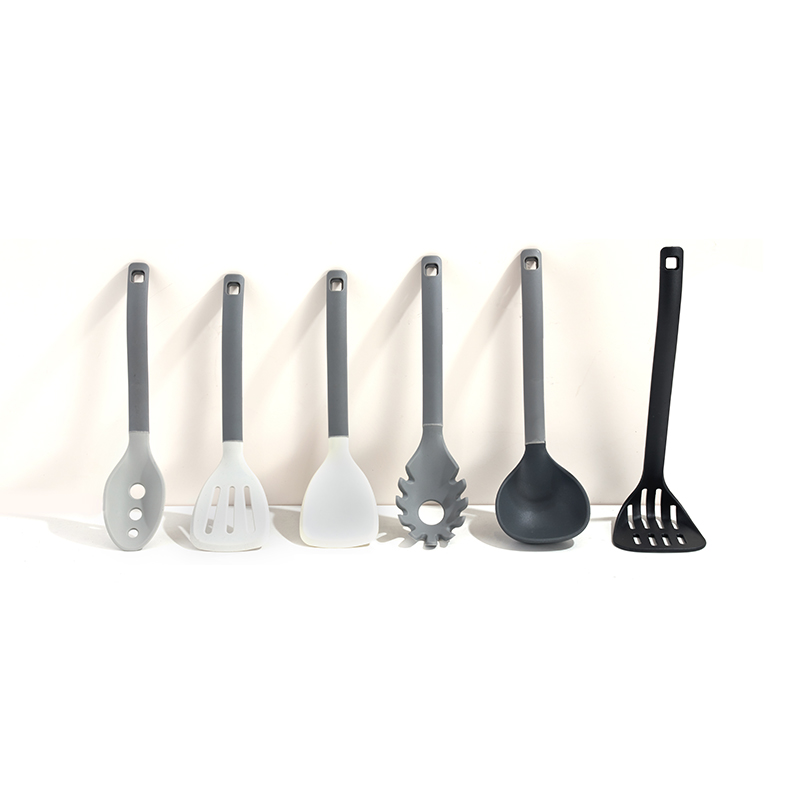
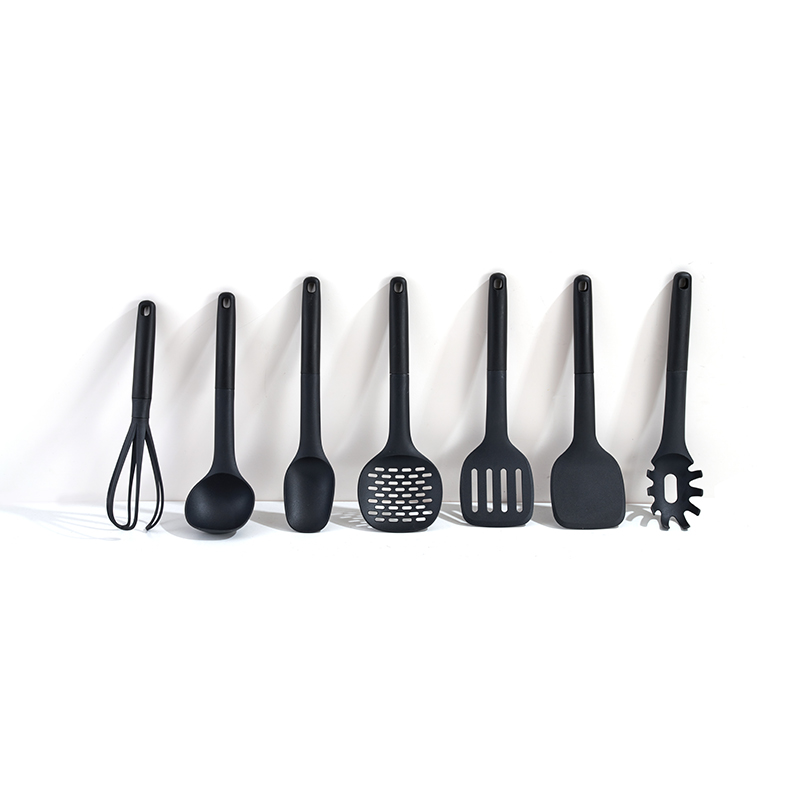
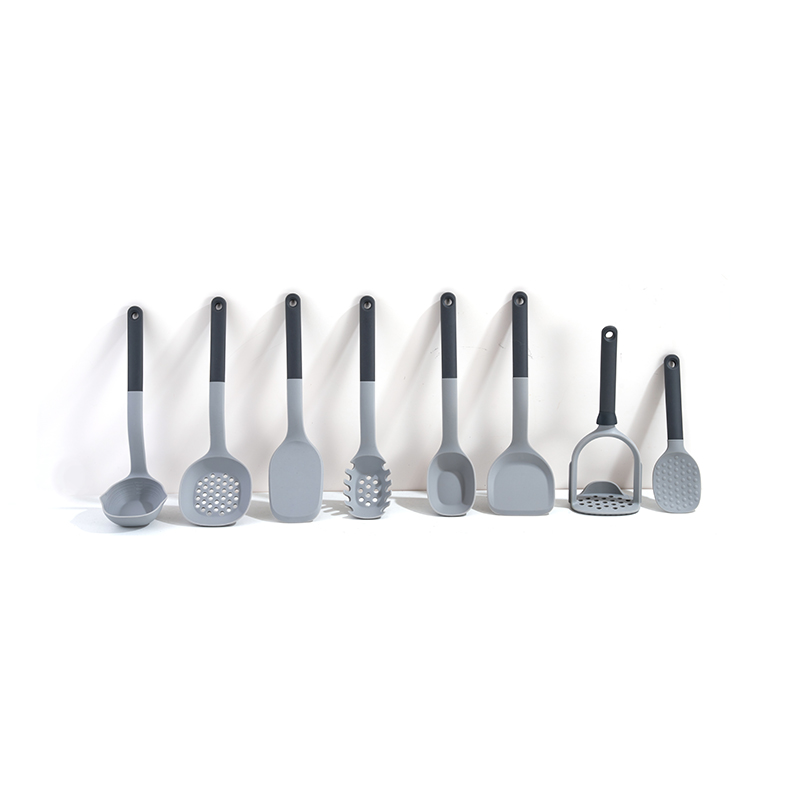
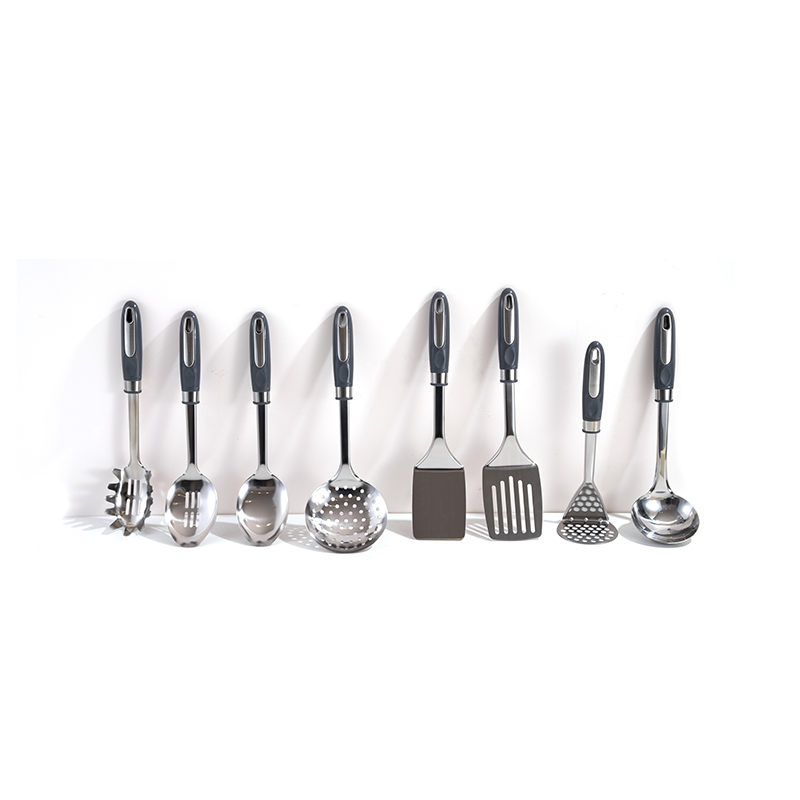
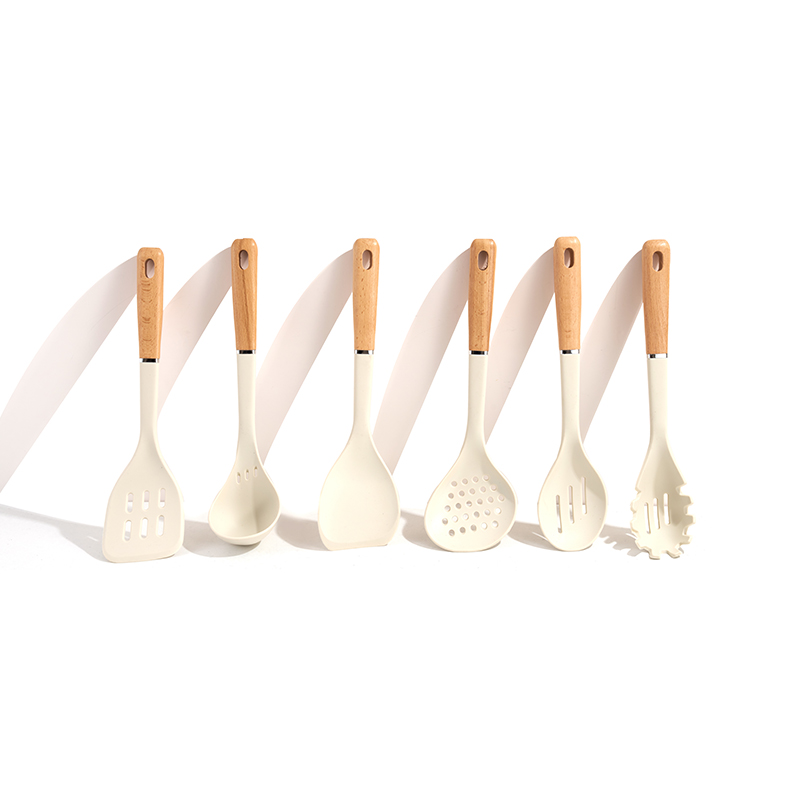
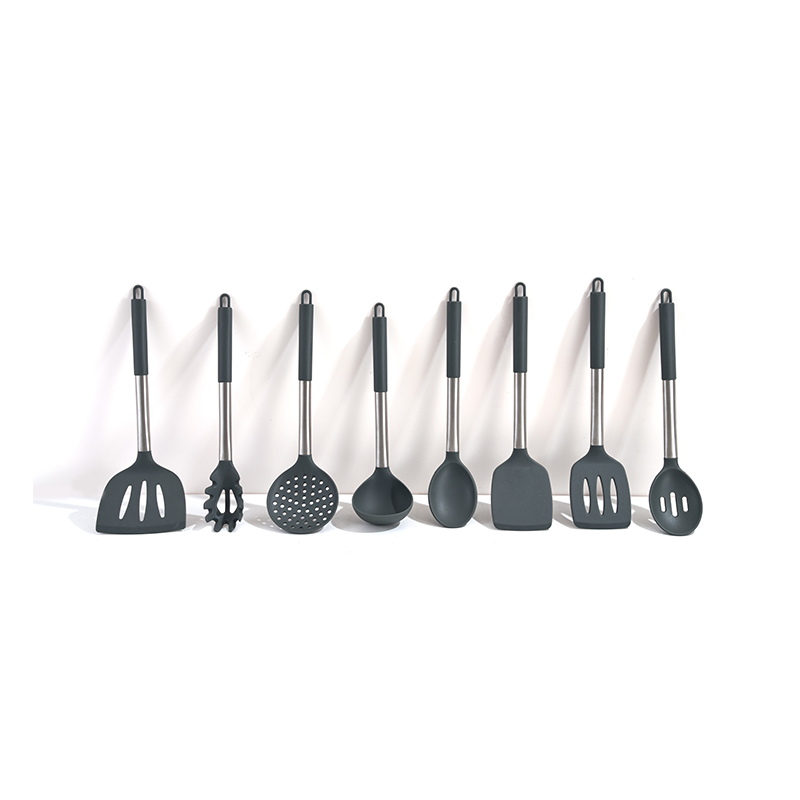
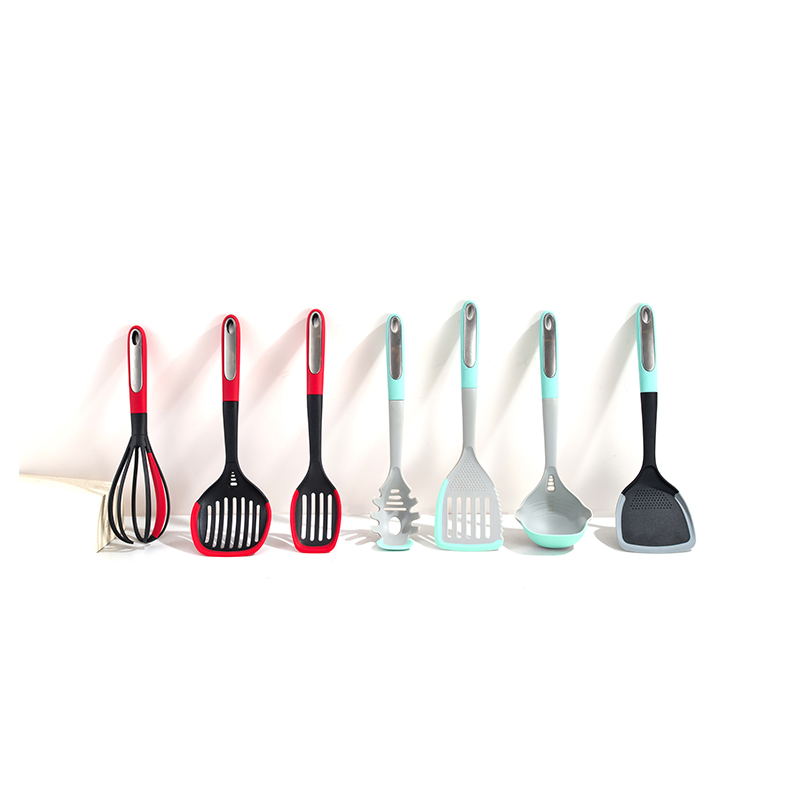
ECHO KITCHENWARE is a China Kitchen Utensils Manufacturer and Sale Kitchen Utensils Factory. We are based in Zhejiang, a globally renowned province with different cities focusing on the export business. We are exporting various types of high-end cookware and kitchen accessories to different countries and cities.
"At ECHO KITCHENWARE, our name 'ECHO' is more than just a symbol—it represents our mission. Over the past year, we have given the world a first taste of the sound from Zhejiang. For the future, I hope this echo will grow into a continuous roar."
In the future, ECHO KITCHENWARE will not settle for being just an "order-taking business." Our goal is to become the preferred "R&D-driven supply chain partner" for small and medium-sized kitchenware buyers worldwide. We will take every step solidly, so that the echo of "Made in Zhejiang" can grow from a gentle stream into a powerful voice that resonates across the oceans.

Kitchen Utensils Supplier
Selected food-grade silicone kitchenware, non-toxic, safe, high and low temperature resistant. Soft, non-slip and not easy to deform, it covers baking tools, cooking utensils, sealed storage and other categories. Oil-proof, easy to clean, durable and odorless. Eco-friendly material is suitable for daily cooking, baking and food processing, an essential practical item for modern healthy kitchens.
About ECHO
Zhejiang Echo Industry And Trade Co., Ltd.
Message Feedback
Update News And Events
-
2026.10.09Are Your Cookware Specifications Ready for Multi-Site OrdersOpening several stores, supplying a hotel group, or coordinating kitchenware purchases across regional distributors requires more than placing a large order. Each location needs co
-
2026.10.02Are Shared Lids Changing the Way Cookware Sets Are DesignedCookware sets have traditionally included a dedicated lid for each covered pot or pan. That approach is straightforward, but it can create a storage problem as the number of pieces
-
2026.09.25Is a 5-Piece Cookware Set Enough for Everyday MealsCookware collections do not need to contain a dozen different pieces to handle everyday meals. The real question is whether the available shapes and capacities match the cooking ha
-
2026.09.18Can Stylish Cookware Sets Become Part of Kitchen DécorCookware has traditionally been stored inside cabinets and brought out only during meal preparation. Modern kitchen layouts are changing that habit. Open shelving, hanging racks, k
-
2026.09.11Pressed Aluminum Cookware: How Does Shape Affect CookingCookware shape is more than a visual feature. The diameter of the base, height of the sidewalls, curvature between the bottom and sides, and overall depth can change how food conta
How to Choose the Right Kitchen Utensil
Picking the right kitchen utensils starts with matching the material to the cookware you already own. A metal spatula on a non-stick pan ruins the coating in weeks. A nylon ladle on a screaming-hot cast-iron skillet melts at the edges. The general rule: soft tools for soft surfaces, hard tools for hard surfaces.
Start with heat resistance. Silicone handles are fine up to 450–500°F (230–260°C), but exposed metal handles get dangerously hot on the stove. Wood won't melt, but it can crack in dishwashers. Stainless steel is nearly indestructible, but scratches everything it touches.
Ergonomics matters more than most shoppers realize. A heavy slotted spoon feels solid but tires your wrist during long stirring sessions. Lightweight nylon tools are easier to handle, but they flex too much for lifting heavy roasts. The best test: hold the utensil as if you're stirring a pot of stew. Does the balance feel right in your palm?
Long-tail searches like "best utensils for ceramic non-stick pans" or "wood vs. silicone for high heat" reveal what home cooks really worry about: compatibility and durability. A solid approach is to buy separate materials for separate tasks. Keep a metal fish turner for stainless steel searing, a silicone spatula for folding eggs, and a wooden spoon for tomato sauces that might stain lighter materials.
Avoid multi-piece sets that include tools you'll never use—slotted spoons, yes; weird citrus zesters, probably not. Build your collection around what you actually cook weekly.
Safety of Silicone Kitchen Utensils
How safe are silicone kitchen utensils for everyday cooking? Very safe when made from 100% food-grade silicone. The concern usually comes from cheap fillers. Lower-quality silicone may contain cheaper polymers or starches that degrade at high temperatures, potentially releasing volatile compounds. A simple home test: pinch and twist a corner of the utensil. Pure silicone has no white color change. If you see a whitish stretch mark, fillers are present.
FAQ 1 – Can silicone leach chemicals into hot oil?
Not if it's high-heat rated (usually 450°F/230°C). Above that threshold, even pure silicone can degrade. Never leave a silicone spoon resting against the side of a deep-fryer. For simmering sauces or sautéing, the risk is negligible.
FAQ 2 – Does silicone absorb odors or flavors?
Yes, over time. Silicone is porous at a microscopic level. Garlic-heavy tomato sauces can leave lingering smells. The fix: bake the utensil at 250°F for 20 minutes, or soak it in a water-vinegar solution. Dishwasher cleaning helps, but doesn't fully remove strong oils.
FAQ 3 – Are silicone utensils better than plastic or nylon?
Generally, yes. Nylon melts at lower temperatures (around 400°F) and can release microplastics when scraped. Silicone is more flexible, heat-stable, and doesn't become brittle with age. The only downside is price—good silicone costs two to three times more than basic nylon.
The takeaway: Buy silicone only from brands that state “100% food-grade silicone” on the packaging. Avoid anything labeled “silicone blend.”
What a Standard Kitchen Utensil Set Includes
A typical kitchen utensil set meant for Western home kitchens includes eight to twelve pieces. The core tools: one slotted turner (spatula) for flipping burgers, one solid spoon for stirring soups, one slotted spoon for lifting pasta, one ladle for sauces, one spaghetti server, one flexible spatula for scraping bowls, one pair of kitchen tongs, and a potato masher or pastry brush, depending on the set's target audience. Higher-end sets add a whisk, a basting spoon, and a can opener. Avoid sets with flimsy handles or unknown plastic blends. Look for stainless steel cores with silicone or heat-resistant grips.
Why a Kitchen Utensil Set Is a Worthwhile Purchase
Buying a kitchen utensil set instead of individual pieces saves both money and drawer chaos. A mismatched collection—a wooden spoon from a flea market, a nylon spatula from a grocery store, a rusting pair of tongs—often fails when you need it most. Sets ensure all tools share the same heat tolerance, dishwasher safety, and non-stick compatibility. That means no last-minute surprises when flipping eggs in a ceramic pan with a metal turner.
Whether you're looking for bulk purchases or have any custom requirements, We are here to offer the best
solutions for you.
tiffany.zhong@echocn-trading.com
PHONE
+86-19561173975
+86-19557020621 (Hazel Wu)
ADD
Room 301, Unit 3014, No. 175 Qifeng Avenue, Wenqiao Town, Taizhou, Zhejiang, China
Fill Out the Form for More Information
Copyright © Zhejiang Echo Industry And Trade Co., Ltd.
All Rights Reserved.

Kitchen Utensil Set Sale