
 en
en
 Español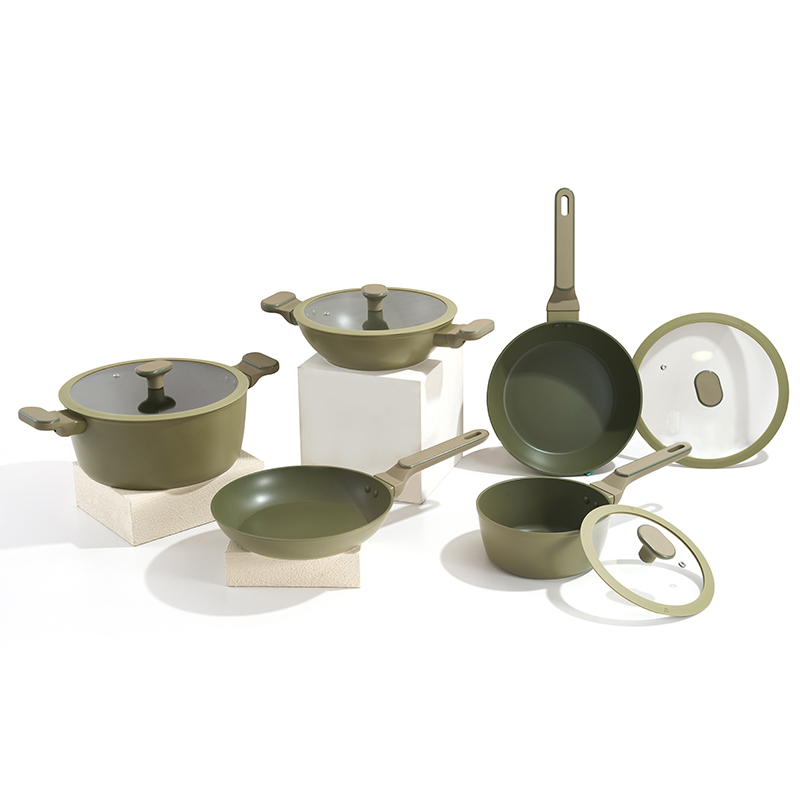
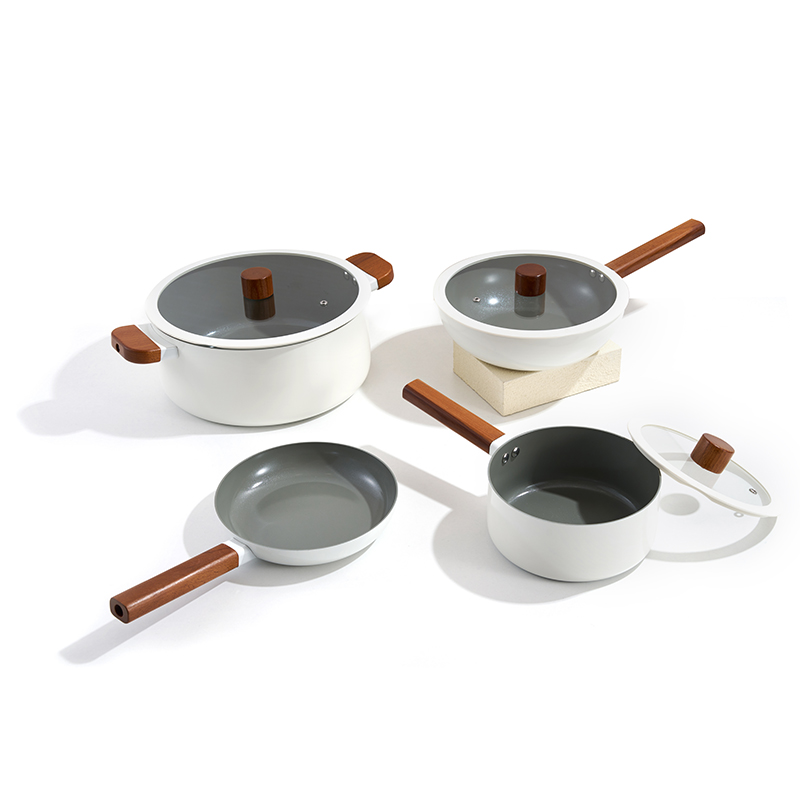
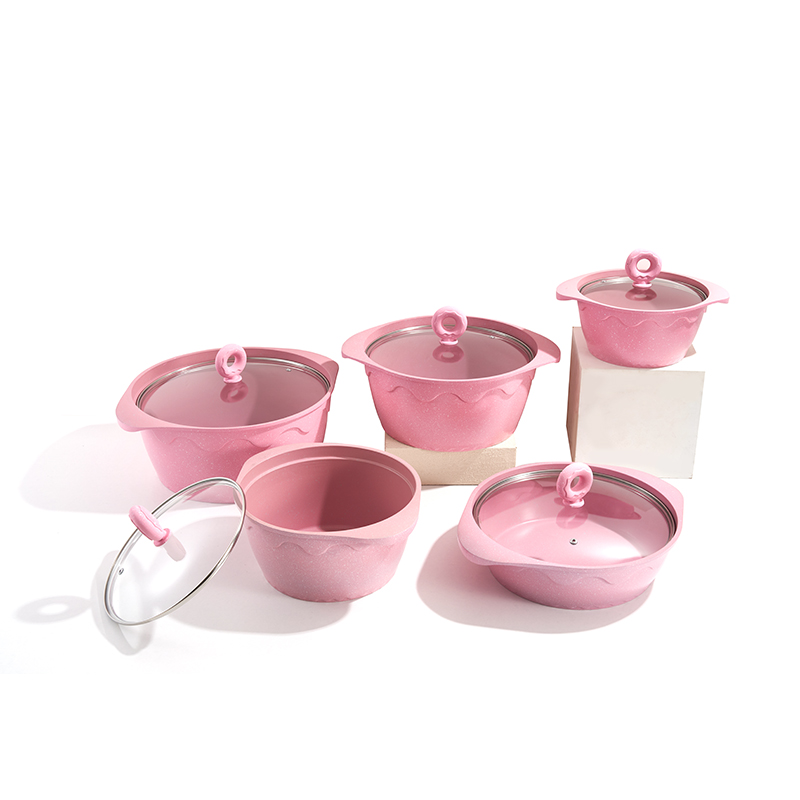
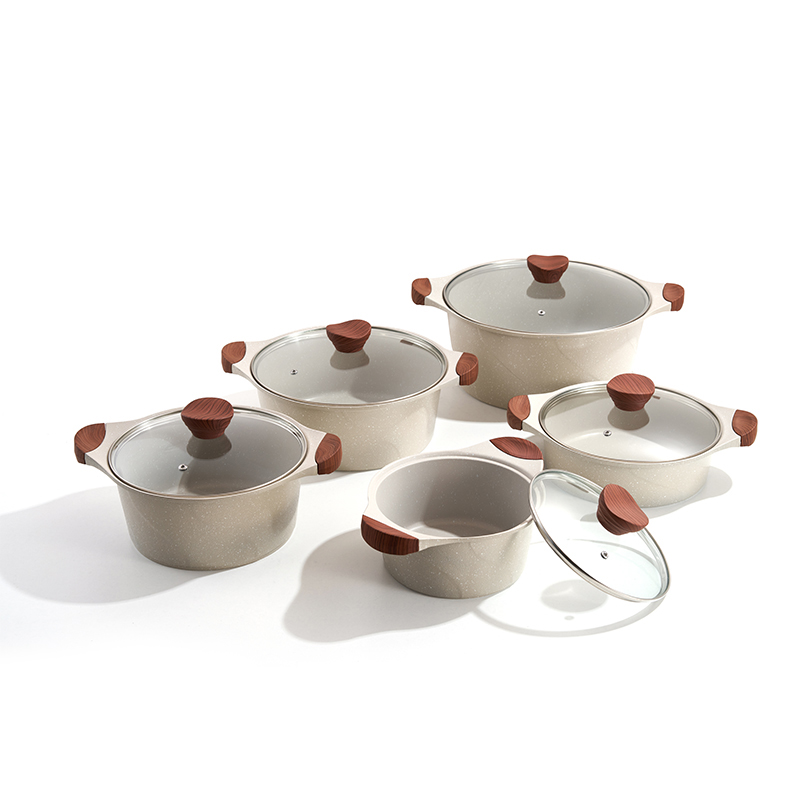
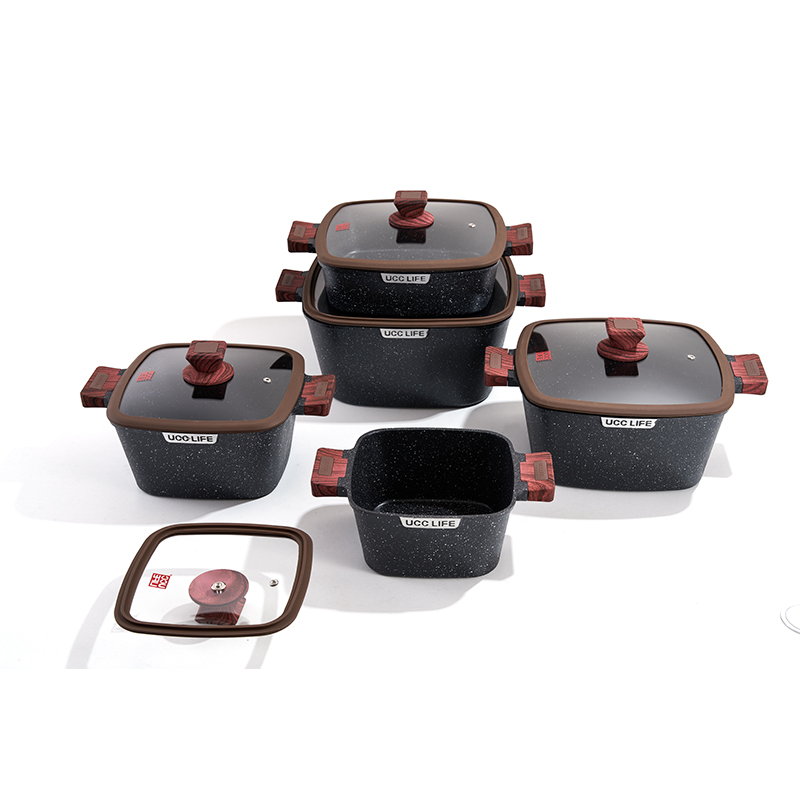
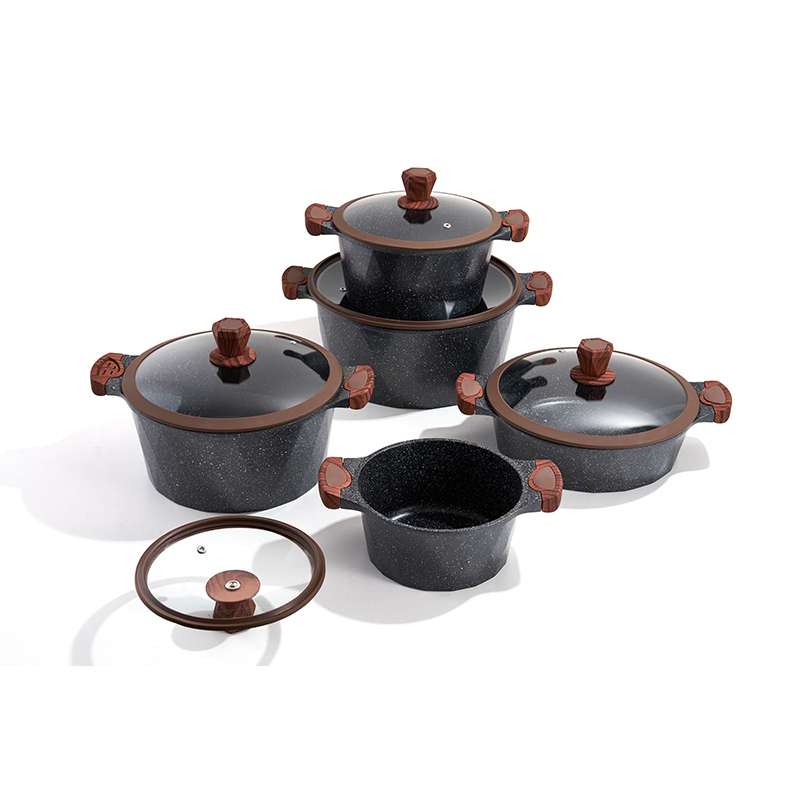
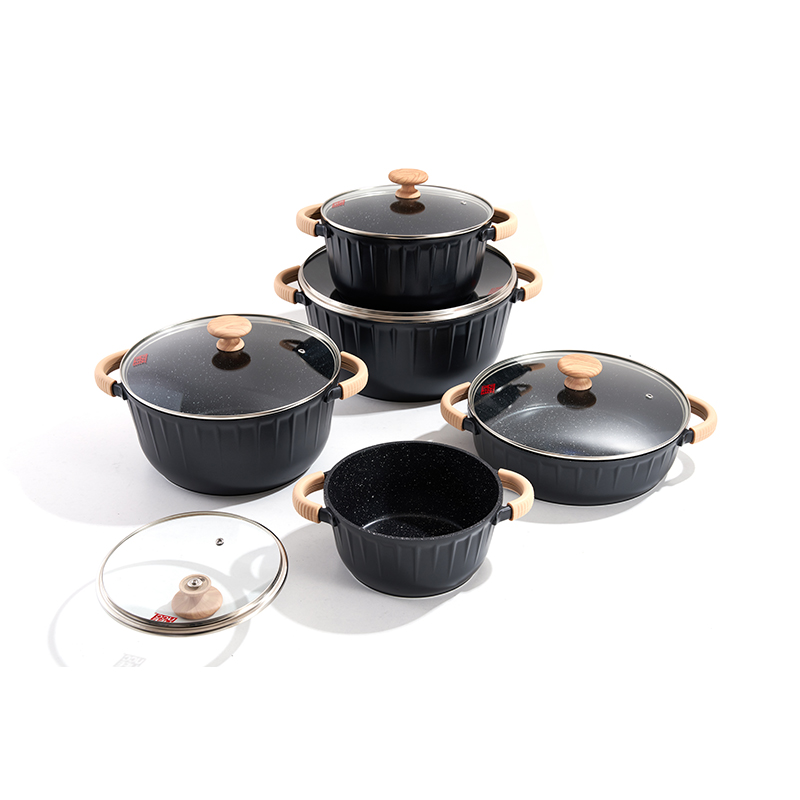
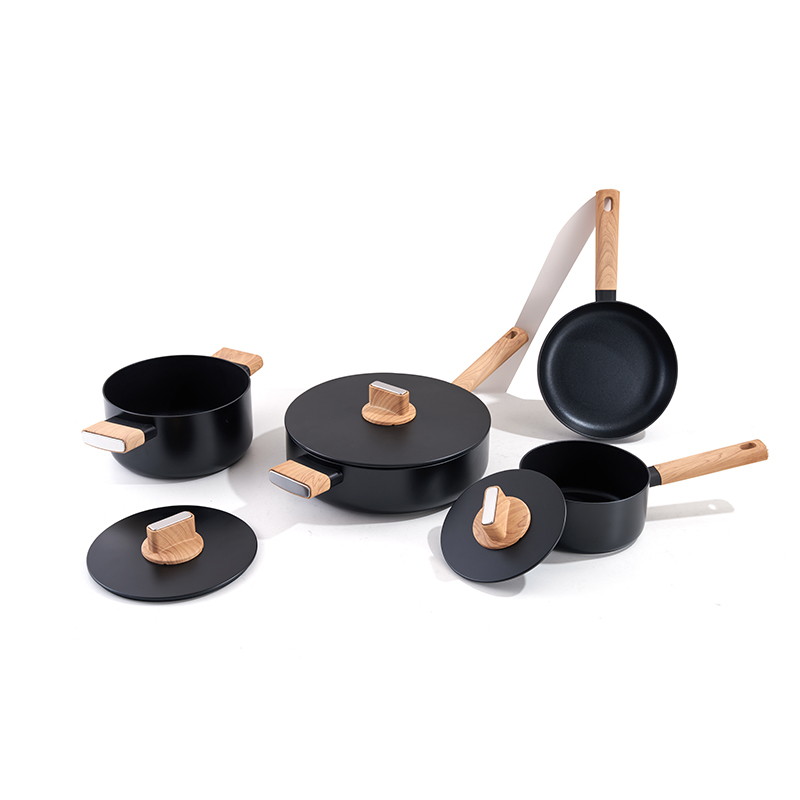
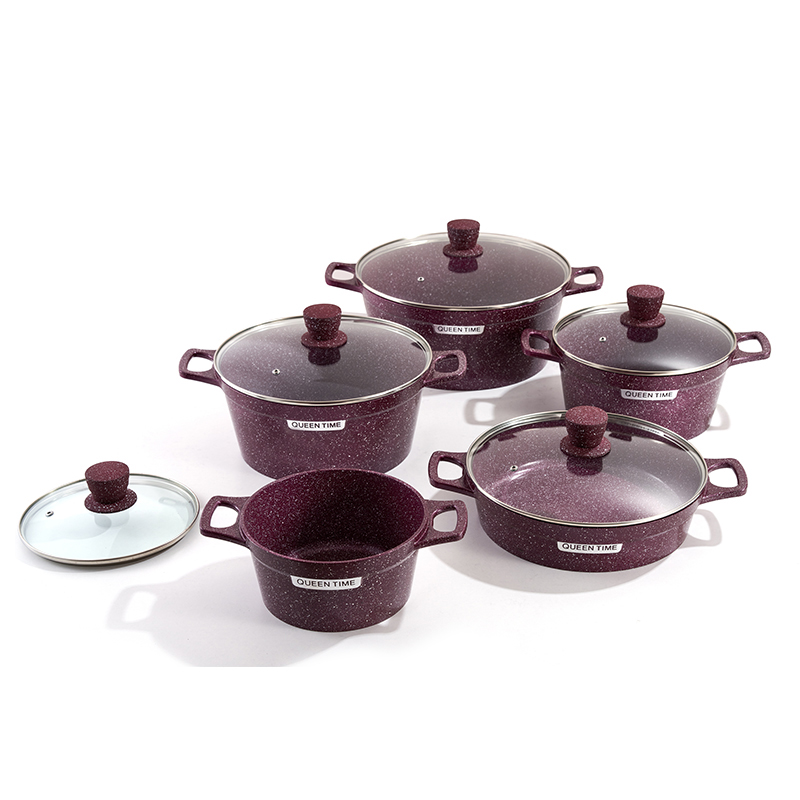
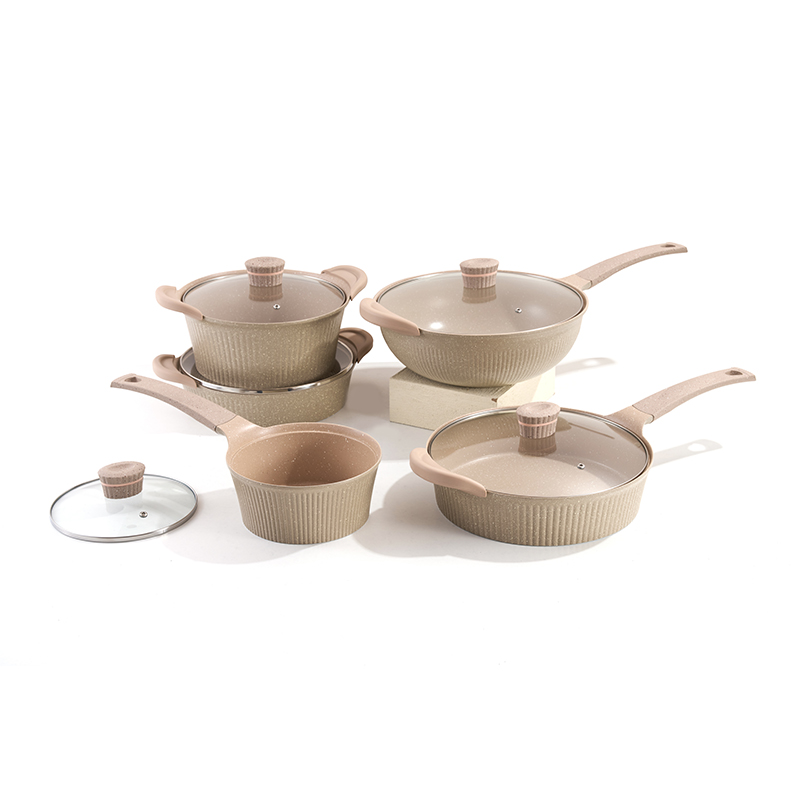
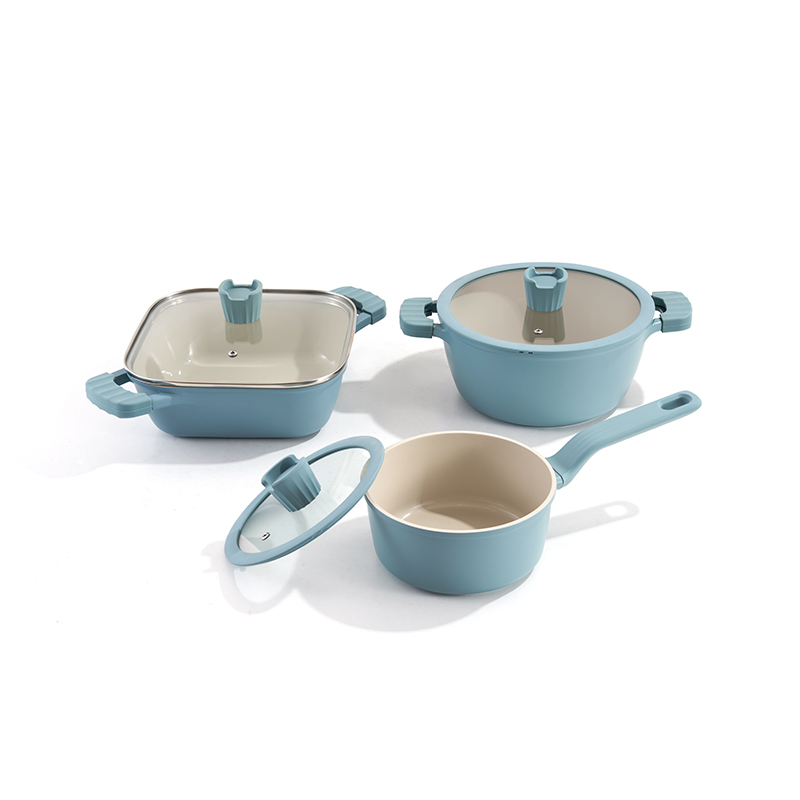
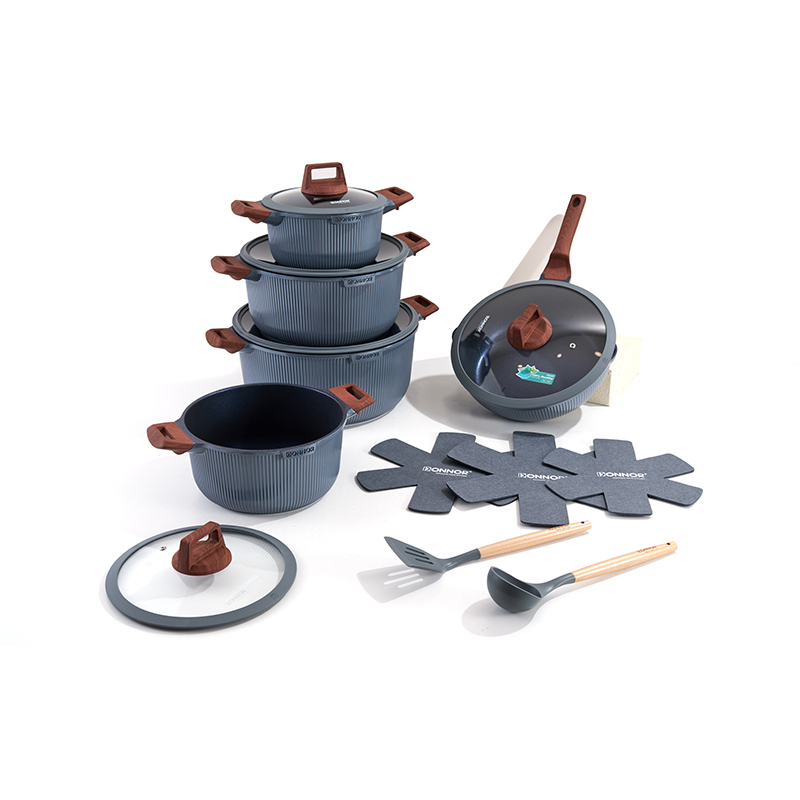
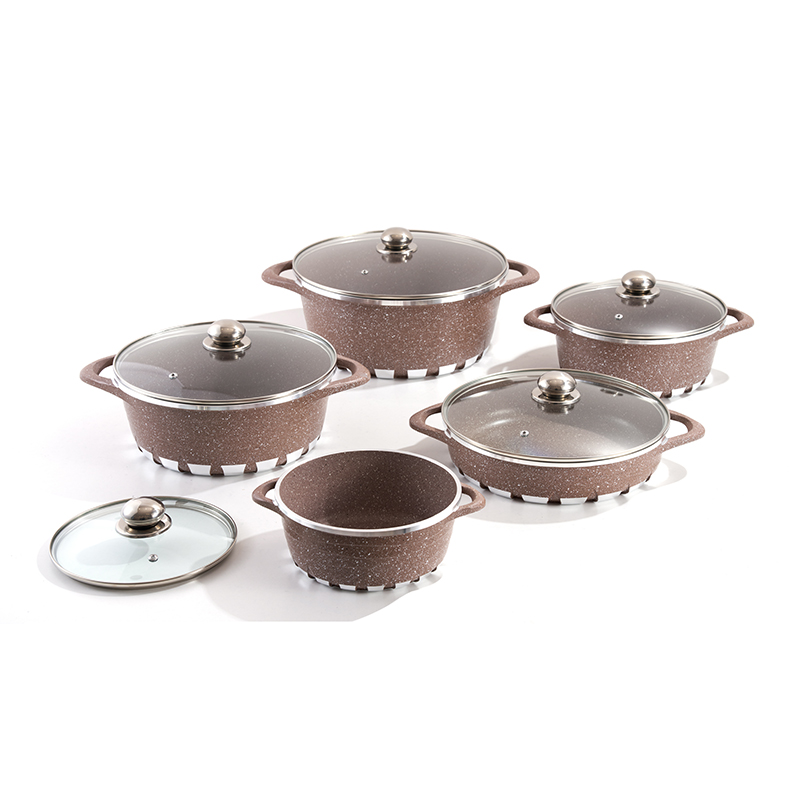
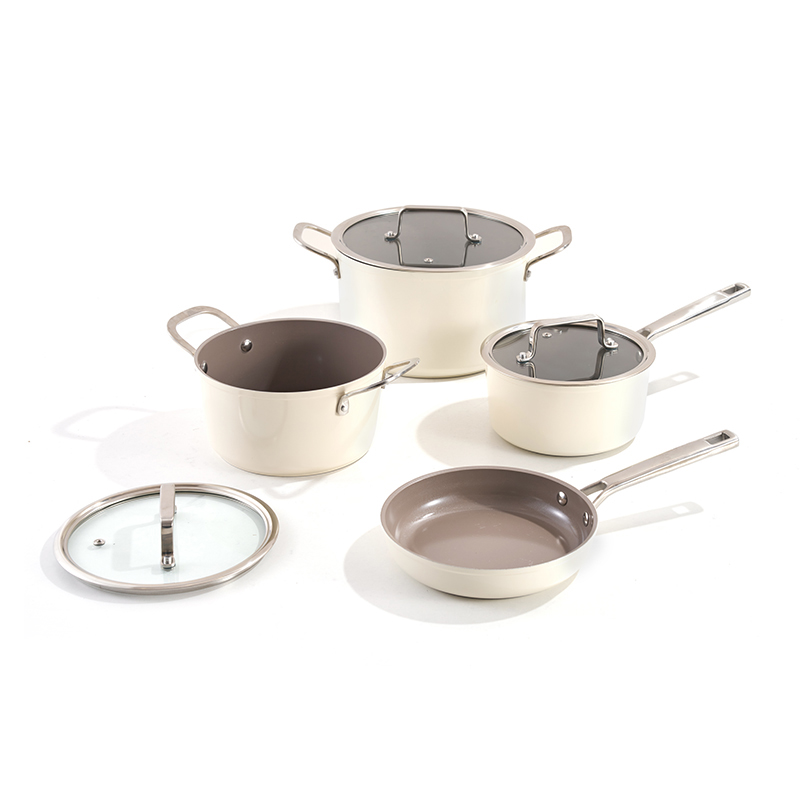
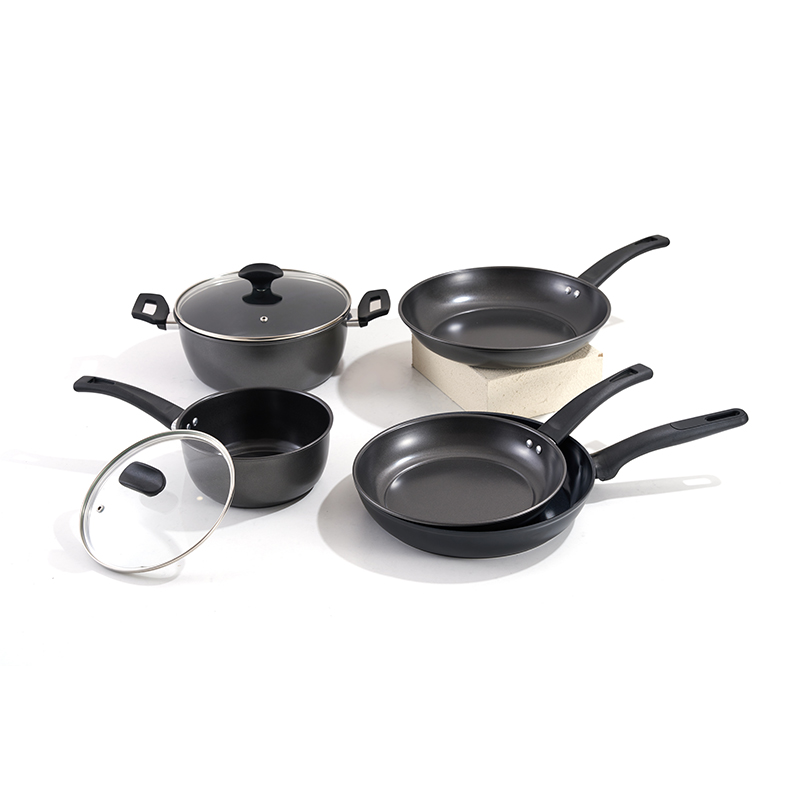
ECHO KITCHENWARE is a Enamel Cookware Factory and Healthy Coating Pan Factory. We are based in Zhejiang, a globally renowned province with different cities focusing on the export business. We are exporting various types of high-end cookware and kitchen accessories to different countries and cities.
"At ECHO KITCHENWARE, our name 'ECHO' is more than just a symbol—it represents our mission. Over the past year, we have given the world a first taste of the sound from Zhejiang. For the future, I hope this echo will grow into a continuous roar."
In the future, ECHO KITCHENWARE will not settle for being just an "order-taking business." Our goal is to become the preferred "R&D-driven supply chain partner" for small and medium-sized kitchenware buyers worldwide. We will take every step solidly, so that the echo of "Made in Zhejiang" can grow from a gentle stream into a powerful voice that resonates across the oceans.

Enamel Cookware Factory
About ECHO
Zhejiang Echo Industry And Trade Co., Ltd.
Message Feedback
Update News And Events
-
2026.10.09Are Your Cookware Specifications Ready for Multi-Site OrdersOpening several stores, supplying a hotel group, or coordinating kitchenware purchases across regional distributors requires more than placing a large order. Each location needs co
-
2026.10.02Are Shared Lids Changing the Way Cookware Sets Are DesignedCookware sets have traditionally included a dedicated lid for each covered pot or pan. That approach is straightforward, but it can create a storage problem as the number of pieces
-
2026.09.25Is a 5-Piece Cookware Set Enough for Everyday MealsCookware collections do not need to contain a dozen different pieces to handle everyday meals. The real question is whether the available shapes and capacities match the cooking ha
-
2026.09.18Can Stylish Cookware Sets Become Part of Kitchen DécorCookware has traditionally been stored inside cabinets and brought out only during meal preparation. Modern kitchen layouts are changing that habit. Open shelving, hanging racks, k
-
2026.09.11Pressed Aluminum Cookware: How Does Shape Affect CookingCookware shape is more than a visual feature. The diameter of the base, height of the sidewalls, curvature between the bottom and sides, and overall depth can change how food conta
Non-Toxic Cookware Coatings Explained: Safety, Standards, and Real-World Choices
What Makes a Coating “Safe”?
When home cooks ask whether enamel cookware is safer than Teflon cookware, the answer depends on heat stability and chemical leaching. Enameled cast iron or steel uses a glass-based coating fired at high temperatures—no PFAS, PFOA, or PTFE (the polymer family behind traditional Teflon). Teflon itself, when manufactured today without PFOA (a banned processing aid), is generally stable below 260°C (500°F). However, once scratched or overheated, even modern PTFE coatings can release fumes linked to polymer fume fever. Enamel contains no synthetic polymers, making it inert with acidic foods like tomato sauce. The core safety distinction: enamel is mineral-derived and non-reactive, while non-stick coatings rely on engineered chemicals. For households wanting to avoid any risk of perfluorinated compounds, enamel wins. But for careful cooks who replace pans every 2–3 years and never use high heat, modern PTFE pans can be a pragmatic choice.
Standards for Non-Toxic Coated Pans
So what are the standards for non-toxic coated pans globally? Three frameworks matter: the EU’s 2020 restriction on PFOA (part of REACH), the US FDA’s 21 CFR 177.1550 for perfluorinated coatings, and Germany’s LFGB food-contact safety mark. For ceramic coatings (sol-gel), look for ISO 4531 for lead/cadmium release. A pan labeled “PFOA-free” only means one toxin is absent—many still contain other short-chain PFAS like GenX, which animal studies link to liver effects. Truly non-toxic standards now require total fluorine-free certification, such as TÜV or FluroFree. Also check scratch resistance (up to 5,000 abrasion cycles) and heat tolerance (≥400°F for ceramic, 500°F for PTFE). For home cooks, the most actionable rule: buy pans with third-party test reports or seals from NGOs like the Environmental Working Group’s “verified” list. Avoid vague claims like “eco-friendly”—seek “PFAS-free” or “no coatings tested for leachable heavy metals.”
Use Cases (Examples of Healthy Coated Pans)
Searching for examples of healthy coated pans yields four reliable categories. First, enameled cast iron (Le Creuset, Staub) – perfect for slow stews and browning meat; the glass coating won’t leach iron or chemicals, though it’s heavy and not truly non-stick for eggs. Second, seasoned carbon steel (de Buyer, Matfer) – a living coating of polymerized oil; it’s non-toxic, lightweight, and develops stick resistance over time, ideal for omelets if you don’t mind maintenance. Third, modern ceramic non-stick (GreenPan, Caraway) – silica-based sol-gel coatings free of PFAS; best for low-to-medium heat pancakes and fish, but expect 6–12 months of durability. Fourth, diamond-reinforced ceramic (Scanpan HaptIQ, Swiss Diamond) – harder than standard ceramic, rated for metal utensils, and third-party tested for zero PFAS. For families, a hybrid strategy works: enamel Dutch oven for acidic dishes, carbon steel skillet for high-heat searing, and a ceramic pan for quick weekday eggs. Avoid “granite” or “marble” coatings—they’re often PTFE with mineral speckles. Always check the fine print: healthy means full disclosure of all layers, from base metal to top coat.
Common Coatings for Non-Toxic Pans
What are the common coatings for non-toxic coated pans today? Four dominate:
| PTFE (Teflon) | Synthetic polymer | Low if intact & ≤500°F; fumes if overheated | 2–3 years | Easy eggs, no oil cooking |
| Ceramic (sol-gel) | Silica + binder | None (if PFAS-free) | 6–18 months | Low-fat saute, glass stovetops |
| Enamel (vitreous) | Glass on iron/steel | None | 10+ years | Braises, acidic sauces |
| Seasoned oil (carbon steel/cast iron) | Polymerized fat | None | Lifetime (needs reseasoning) | Searing, baking, and campfire |
Key nuance: “non-toxic” isn’t binary. PTFE pans avoid heavy metals but release trace nanoparticles when scratched. Enamel contains no synthetic chemicals but chips to reveal reactive metal. Seasoned pans are safest but require fat for the non-stick effect. Ceramics offer peace of mind, but a short lifespan leads to replacement waste. For search habits, Western users increasingly query PTFE vs ceramic safety 2026 and enamel cookware scratch risks. The emerging gold standard: PTFE-free and PFOA-free plus third-party extraction testing (e.g., IARC Group 4). Your safest bet—enamel or seasoned iron for longevity; ceramic for convenience with frequent replacement.
Whether you're looking for bulk purchases or have any custom requirements, We are here to offer the best
solutions for you.
tiffany.zhong@echocn-trading.com
PHONE
+86-19561173975
+86-19557020621 (Hazel Wu)
ADD
Room 301, Unit 3014, No. 175 Qifeng Avenue, Wenqiao Town, Taizhou, Zhejiang, China
Fill Out the Form for More Information
Copyright © Zhejiang Echo Industry And Trade Co., Ltd.
All Rights Reserved.

Non-Toxic Coating Pan