
 en
en
 Español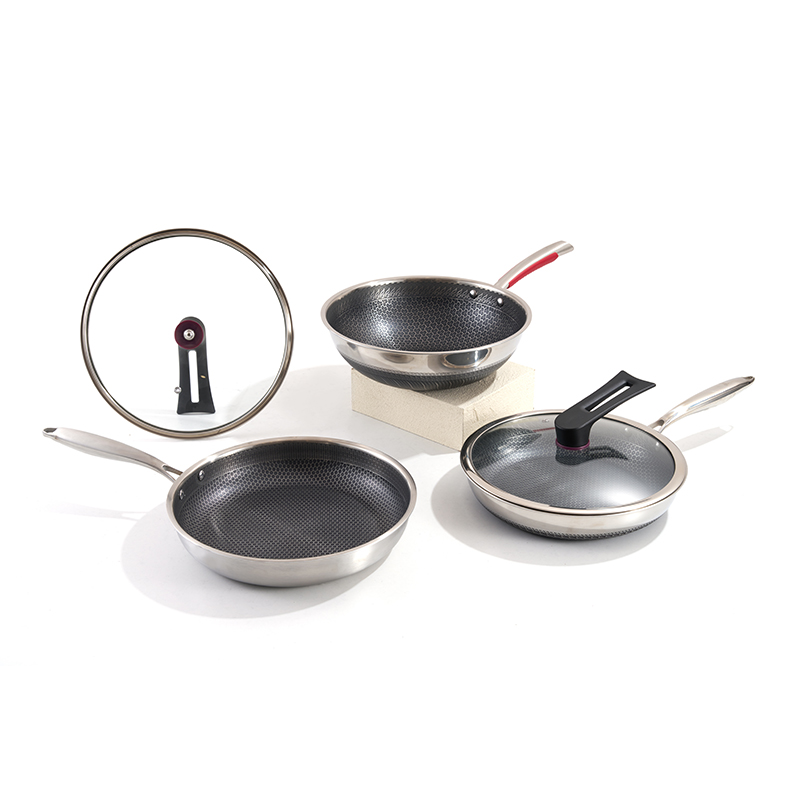
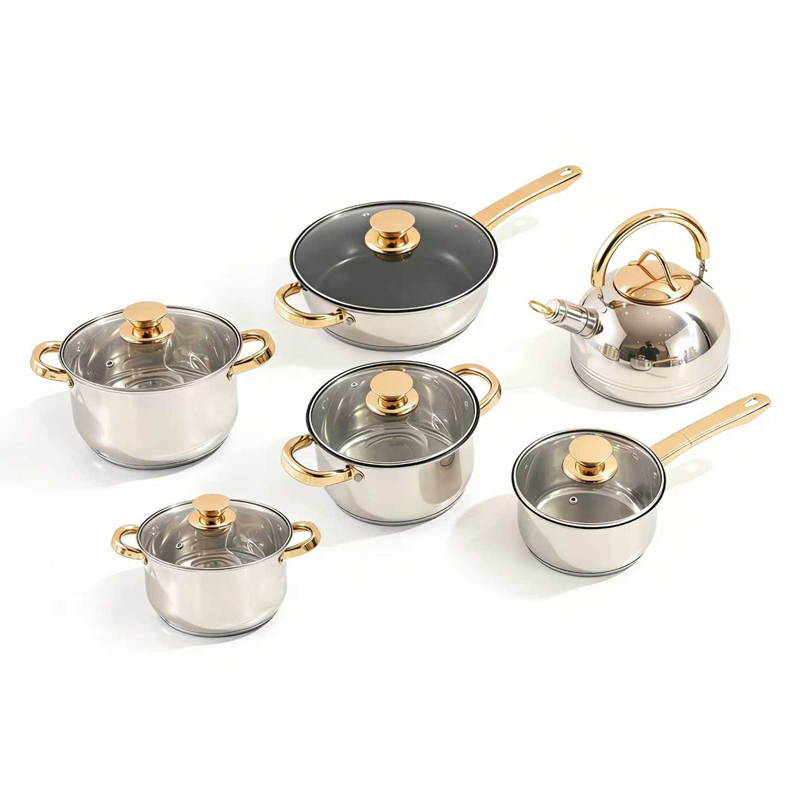
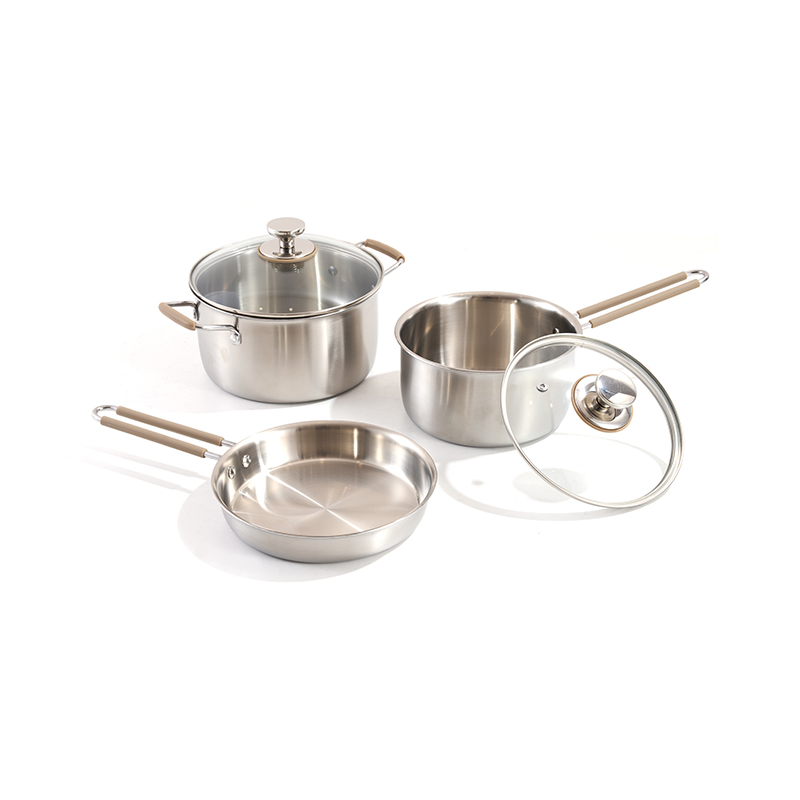
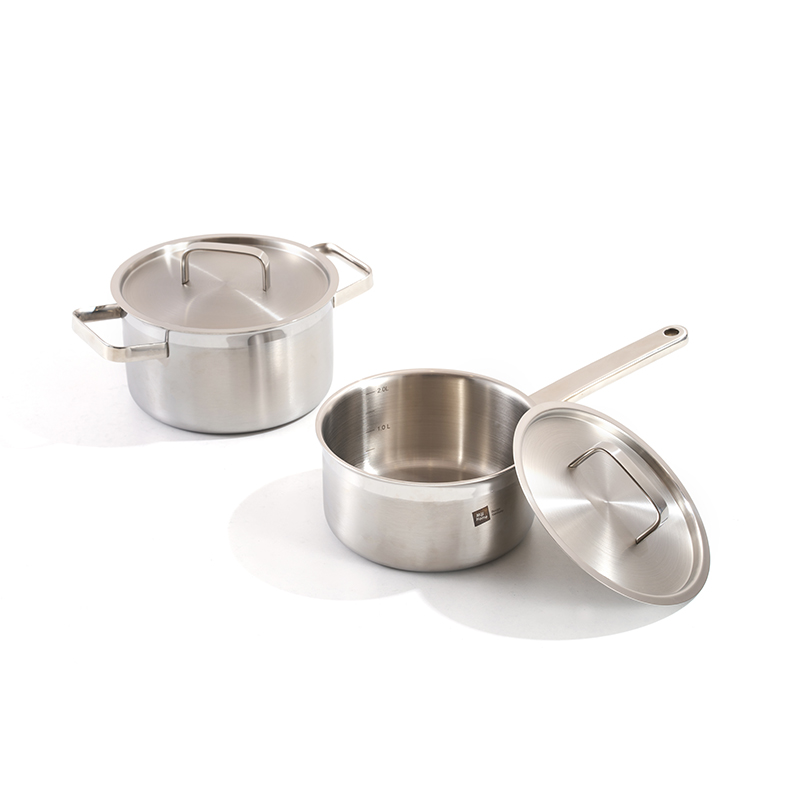
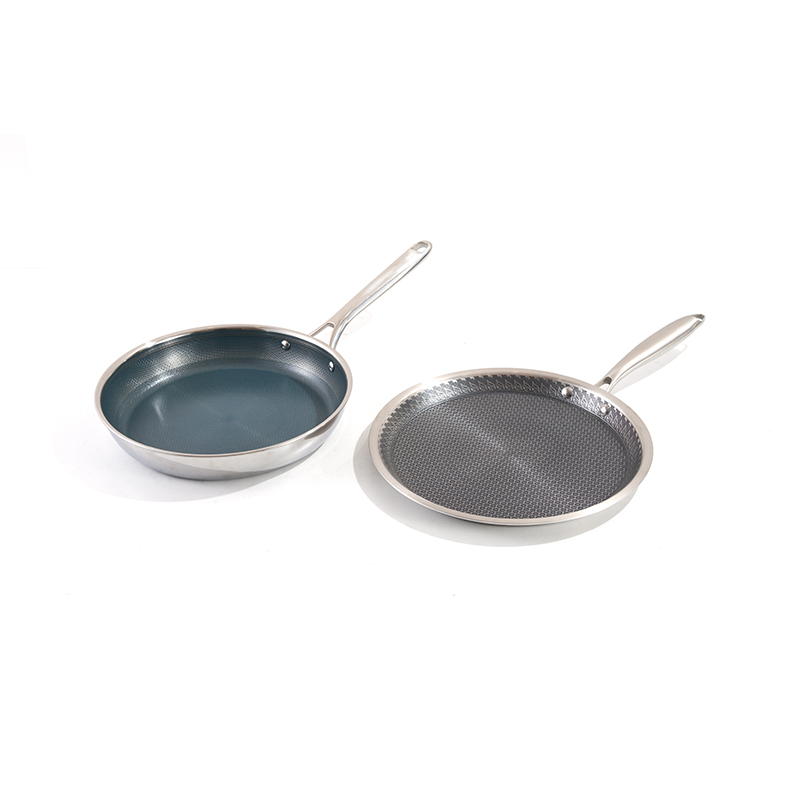
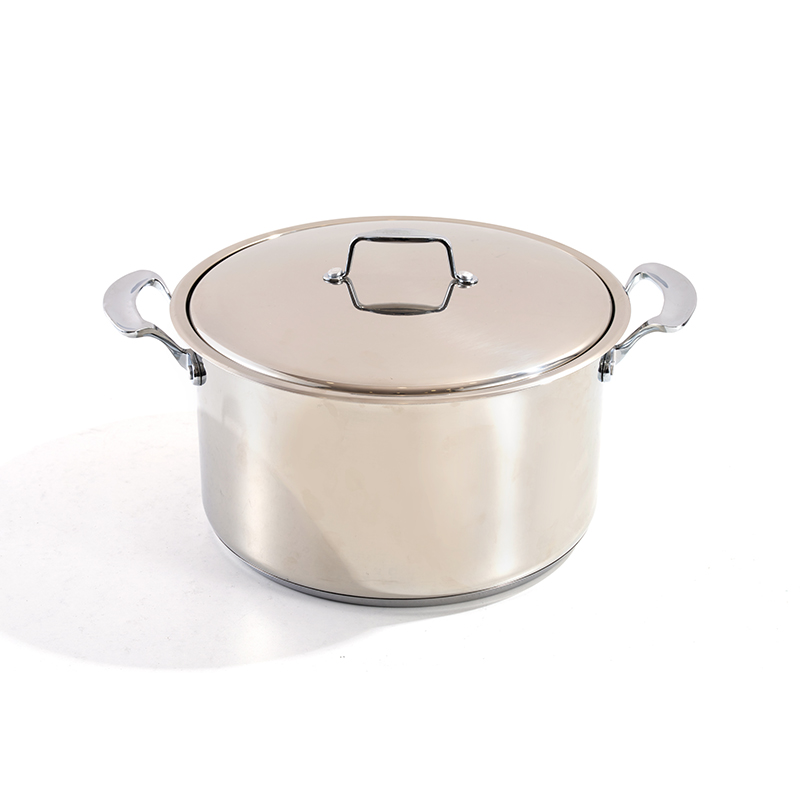
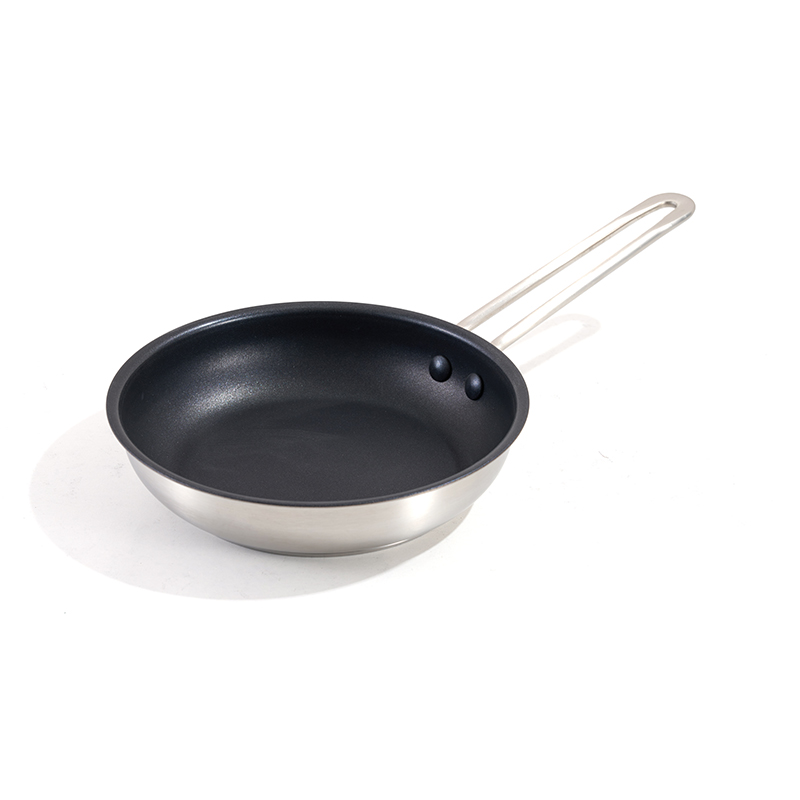
ECHO KITCHENWARE is a China Stainless Steel Cookware Manufacturer and Sale Stainless Steel Cookware Factory. We are based in Zhejiang, a globally renowned province with different cities focusing on the export business. We are exporting various types of high-end cookware and kitchen accessories to different countries and cities.
"At ECHO KITCHENWARE, our name 'ECHO' is more than just a symbol—it represents our mission. Over the past year, we have given the world a first taste of the sound from Zhejiang. For the future, I hope this echo will grow into a continuous roar."
In the future, ECHO KITCHENWARE will not settle for being just an "order-taking business." Our goal is to become the preferred "R&D-driven supply chain partner" for small and medium-sized kitchenware buyers worldwide. We will take every step solidly, so that the echo of "Made in Zhejiang" can grow from a gentle stream into a powerful voice that resonates across the oceans.

Stainless Steel Cookware Set
Our stainless steel cookware is crafted from food-grade 304/316 stainless steel, featuring corrosion resistance, easy cleaning and long-lasting durability. It includes woks, soup pots, frying pans and other varieties. Compatible with gas stoves, induction cookers and other cooktops, it balances practicality and safety for home cooking, serving as a cost-effective choice for daily kitchen use.
About ECHO
Zhejiang Echo Industry And Trade Co., Ltd.
Message Feedback
Update News And Events
-
2026.10.09Are Your Cookware Specifications Ready for Multi-Site OrdersOpening several stores, supplying a hotel group, or coordinating kitchenware purchases across regional distributors requires more than placing a large order. Each location needs co
-
2026.10.02Are Shared Lids Changing the Way Cookware Sets Are DesignedCookware sets have traditionally included a dedicated lid for each covered pot or pan. That approach is straightforward, but it can create a storage problem as the number of pieces
-
2026.09.25Is a 5-Piece Cookware Set Enough for Everyday MealsCookware collections do not need to contain a dozen different pieces to handle everyday meals. The real question is whether the available shapes and capacities match the cooking ha
-
2026.09.18Can Stylish Cookware Sets Become Part of Kitchen DécorCookware has traditionally been stored inside cabinets and brought out only during meal preparation. Modern kitchen layouts are changing that habit. Open shelving, hanging racks, k
-
2026.09.11Pressed Aluminum Cookware: How Does Shape Affect CookingCookware shape is more than a visual feature. The diameter of the base, height of the sidewalls, curvature between the bottom and sides, and overall depth can change how food conta
Stainless Steel Cookware Care, Corrosion Resistance, and Non-Stick Coating Insights: A Practical Kitchen Guide
How to clean and maintain Stainless Steel Cookware
Stainless steel cookware is made from an iron-based alloy mixed with chromium, sometimes nickel. It's valued because it doesn't easily rust and can handle fairly aggressive cooking without breaking down.
Explanation (what actually matters in daily use):
Most stainless steel problems aren't “material failure”—they're usually just buildup from heat, oil, and food residue. Once you understand that, cleaning becomes more routine than technical.
· Wash the pan while it's still warm (not screaming hot), so oil doesn't fully harden onto the surface
· For everyday cleaning, warm water + a small amount of dish soap is enough in most cases
· If food sticks, don't force it—just soak the pan for a while, and it usually loosens on its own
· A soft sponge works better than anything aggressive; steel wool should be a last resort, not a habit
· If you see rainbow stains after high heat, it's usually just heat tint—vinegar on a cloth can bring the finish back
· Baking soda paste is a simple fix for burnt spots that don't come off with soap
· Dry the pan immediately if you're in a hard-water area, you'll get spots that look worse than they are
Use cases (why this matters):
Searches like “how to clean stainless steel pan after frying eggs" or “remove burnt oil from stainless steel cookware set"usually come from everyday cooking situations, not defects.
Unlike non-stick pans, stainless steel doesn't “hide" mistakes—you see everything. But it also doesn't degrade easily, which is why people keep using it for years.
What is the corrosion resistance of a Stainless Steel Cookware Set?
Corrosion resistance is basically how well stainless steel can resist rust, staining, and surface breakdown when exposed to water, heat, and acidic food.
Explanation (in plain terms):
Stainless steel works because of chromium. When exposed to air, it forms a very thin protective layer on the surface. That layer is what stops rust from spreading. If it stays intact, the cookware can last a very long time, even with daily washing and cooking.
Most “is stainless steel cookware rust-proof" searches come from misunderstanding this point. It's not rust-proof forever—it's just self-protecting under normal conditions.
Corrosion resistance overview:
| Type | Where it shows up | Real-world behavior | What users notice |
| 201 stainless | Budget cookware | More sensitive to moisture | Occasional spots over time |
| 304 stainless (18/8, 18/10) | Most household sets | Very stable in kitchens | Rare staining if cared for |
| 316 stainless | Premium cookware | Handles salt + acids well | Used in harsher cooking conditions |
| 430 stainless | Induction base layers | Moderate resistance | Magnetic, but not top-tier durability |
Use cases:
People searching “best corrosion-resistant cookware set for induction stove" or “does stainless steel cookware rust in dishwasher" are usually trying to understand long-term reliability.
What material is the coating of a non-stick cookware set made of?
Non-stick cookware coatings are surface layers applied to metal pans so food doesn't stick easily, making cooking and cleanup more convenient.
Explanation (what's actually on the pan):
There isn't just one type of coating, even though people often treat it like one category.
The most common is PTFE. It's a synthetic material that creates an extremely smooth surface. When it's new, food barely sticks at all, which is why it became so popular in everyday cookware.
Then there are ceramic coatings. These are made from mineral-based materials that are heated and hardened onto the pan. They don't behave exactly like PTFE, but they avoid synthetic fluoropolymers, which is why they often show up in “PFAS-free cookware" searches.
Some pans use reinforced coatings, where materials like titanium particles are added into the layer. The idea is simple: make the surface last longer without changing how it cooks too much.
Use cases:
Typical searches like “what is non-stick pan coating made of,"“ceramic vs Teflon cookware difference in real use," or “safe non-stick frying pan for eggs" usually come from people trying to understand what they're actually cooking on.
Comparison (real-world feel):
PTFE is the easiest to cook with, but it can feel sensitive over time. Ceramic feels more natural but wears less predictably. Reinforced coatings sit in the middle—more durability, slightly less “slippery" performance.
Whether you're looking for bulk purchases or have any custom requirements, We are here to offer the best
solutions for you.
tiffany.zhong@echocn-trading.com
PHONE
+86-19561173975
+86-19557020621 (Hazel Wu)
ADD
Room 301, Unit 3014, No. 175 Qifeng Avenue, Wenqiao Town, Taizhou, Zhejiang, China
Fill Out the Form for More Information
Copyright © Zhejiang Echo Industry And Trade Co., Ltd.
All Rights Reserved.

Non-Stick Cookware for Home