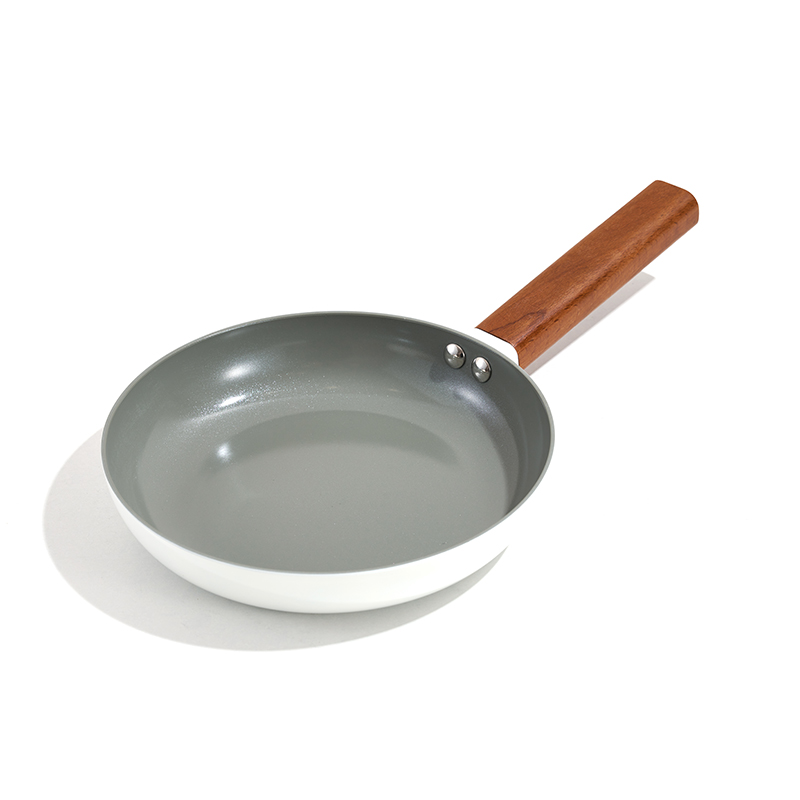
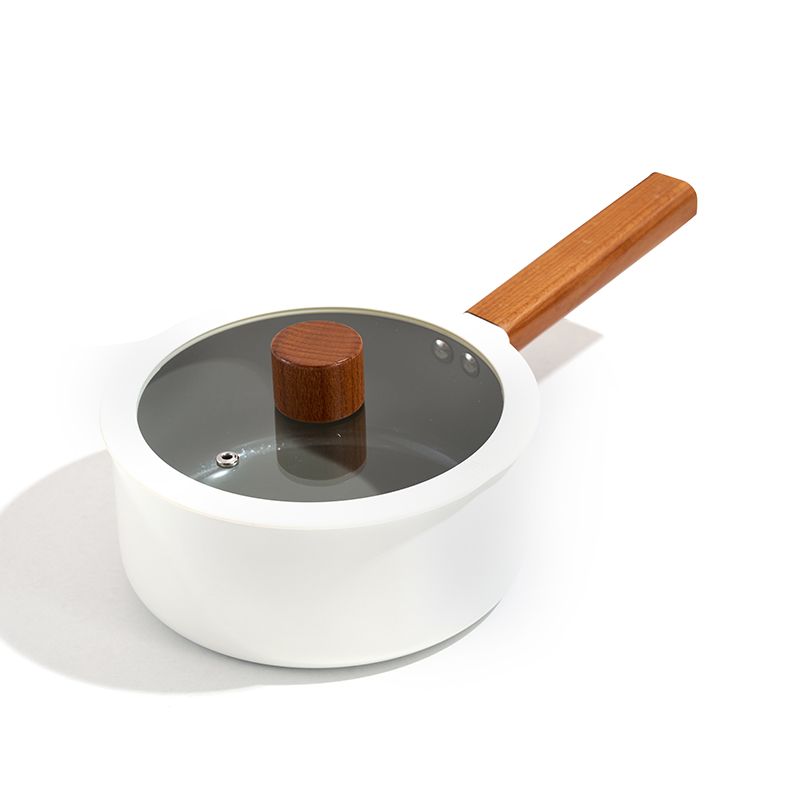
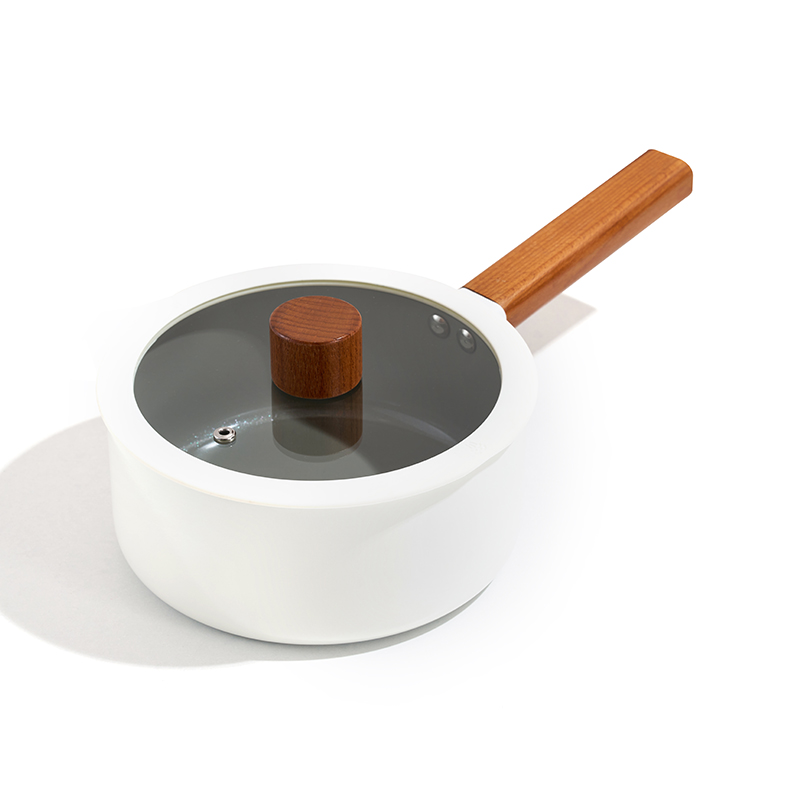
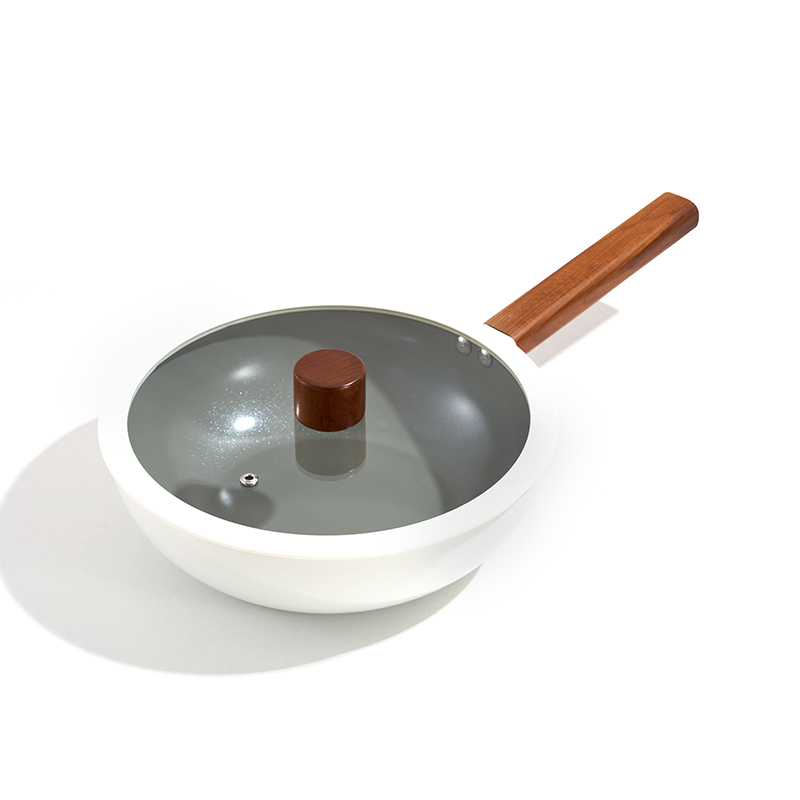
What coating is primarily used in a 7-piece aluminum cookware set?
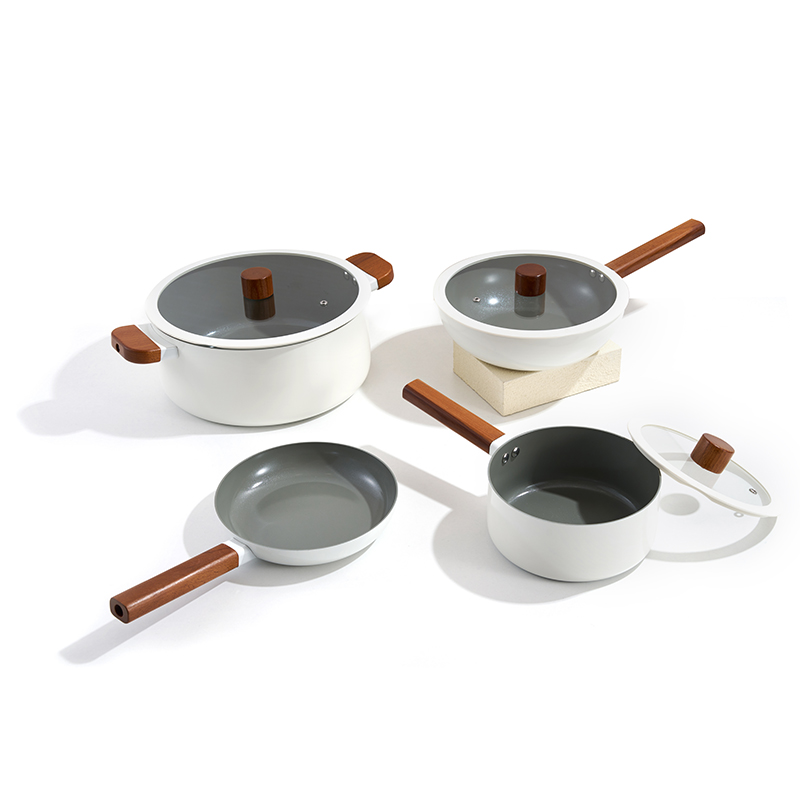
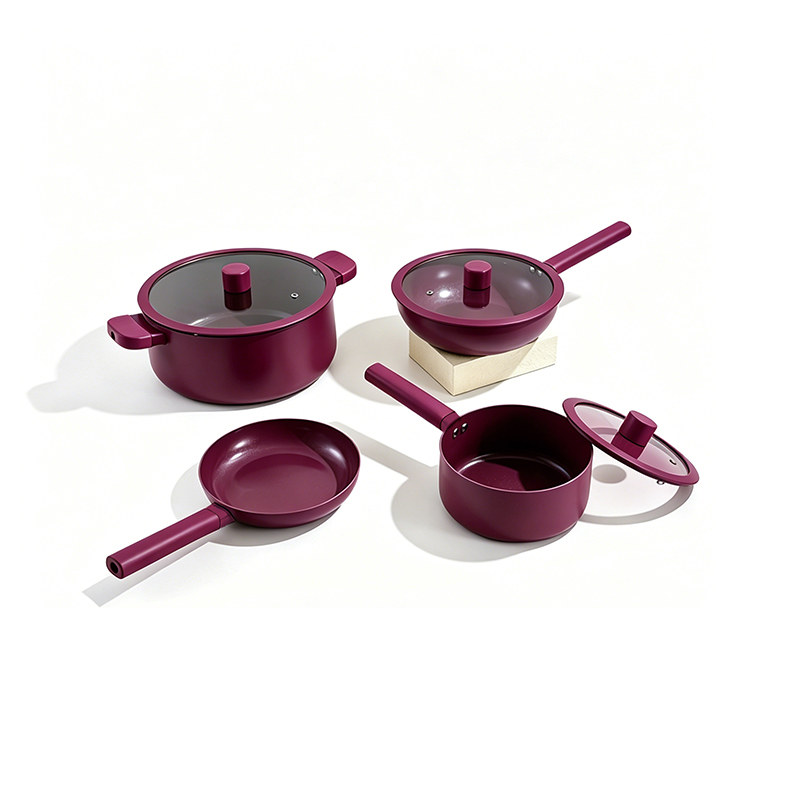
A 7-piece aluminum cookware set usually includes a few basic pots and pans made from aluminum alloy, plus lids. Since raw aluminum isn't ideal for everyday cooking on its own, most sets rely on an added surface layer to make them practical.
What you'll actually see in real products
If you browse US or European listings—especially searches like “non-toxic 7-piece cookware set with lids” or “PFAS-free aluminum cookware set for everyday use”—the same coating types keep appearing, just packaged differently.
- PTFE non-stick coating (often still called Teflon-style in everyday language) is the most common in budget and mid-range cookware sets
- Ceramic coating shows up in “healthy non-stick cookware set for low oil cooking” products, usually marketed as PFAS-free
- Hard-anodized aluminum is used in more durable sets where the aluminum surface is hardened instead of being coated
- Reinforced non-stick systems (PTFE + mineral reinforcement) appear in “scratch-resistant aluminum cookware set with lids” searches
- Some sets combine anodized aluminum bodies with a thin non-stick top layer to balance durability and cooking ease
How it feels in real cooking
In daily use, you notice the coating mostly when cooking eggs, pancakes, or quick sauces. Some pans feel almost effortless when new, while others (especially ceramic) need a bit more heat control and attention.
PTFE is the easiest to use immediately. Ceramic feels more natural but changes faster with wear. Anodized aluminum focuses more on toughness than glide.
What are the important points to note in the Care Instructions for an aluminum cookware set with lids?
Care instructions for aluminum cookware sets with lids are the everyday habits that keep the cookware usable for longer and prevent early coating damage.
What actually affects lifespan in practice
Most problems don't come from manufacturing defects. They come from eating habits, washing routines, and storage.
- Avoid leaving empty pans on high heat, which is a common cause behind "aluminum cookware discolored after cooking" searches
- Stick to low or medium heat for coated aluminum cookware sets with lids; high heat rarely improves results
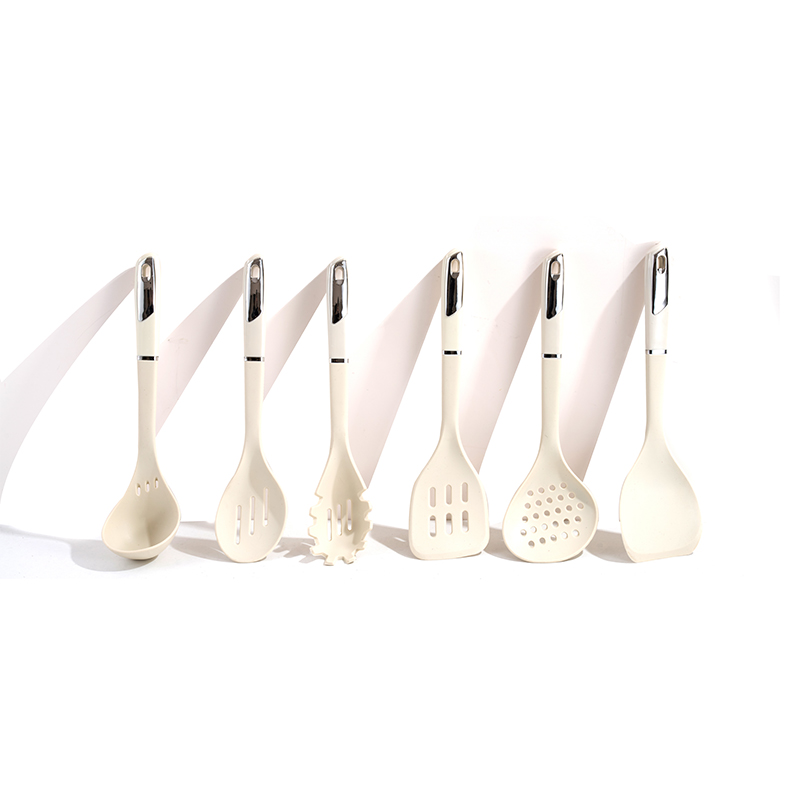
- Use wooden or silicone utensils instead of metal tools unless the cookware is clearly labeled as scratch-resistant
Hand washing is usually safer than dishwashers, even when the set is labeled dishwasher-safe (a frequent concern in “how to clean non-stick aluminum cookware set properly” searches)
- Dry both pans and lids after washing to avoid water marks and edge wear over time
- Don't scrub aggressively on ceramic or PTFE surfaces; once the coating is scratched, it doesn't recover
- Use soft separators if stacking cookware to avoid friction between pans and lids
- Let glass lids cool before rinsing to avoid thermal shock cracks
What typically happens
In most kitchens, cookware doesn't fail suddenly—it slowly loses performance because of repeated overheating or rough cleaning habits that seem harmless at first.
Compared with stainless steel cookware sets, aluminum requires more careful handling but is much easier to cook with day to day. It's less about durability under stress and more about consistent, gentle use.
What are the advantages of the white exterior design and aluminum material of a high-quality cookware set?
Why is this combination popular now
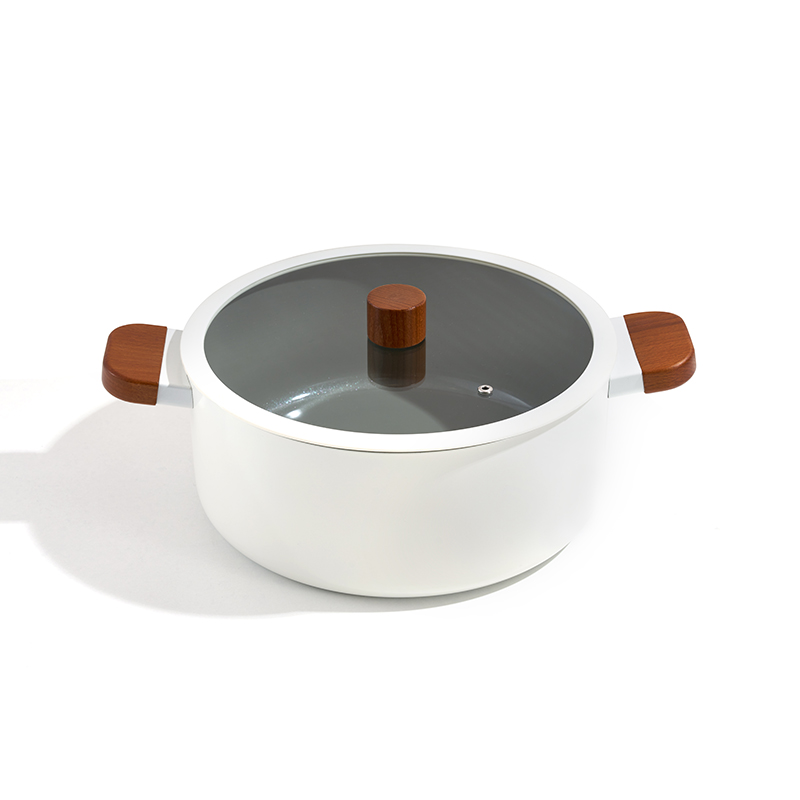
This style has quietly become common in modern Western kitchens, especially in searches like “white non-stick cookware set for modern kitchen” or “minimalist cookware set for small apartment kitchen.”
- White exterior gives a clean, bright look that fits modern, Scandinavian, and minimalist kitchen styles
- Aluminum core heats quickly and spreads heat evenly, reducing hot spots during cooking
- Lightweight structure makes it easy to lift, pour, and clean without effort
- Outer coating helps resist visible stains from oil splashes and everyday cooking
- Smooth finish is easy to wipe down after cooking, especially in busy households
- Works well in open kitchens where cookware is visible rather than stored away
Compared with stainless steel cookware sets, white aluminum sets are lighter and more visually design-focused. Compared with darker non-stick cookware, they feel more decorative and “clean-looking,” while still handling basic everyday cooking tasks like boiling, frying, and light sautéing without much effort.

 en
en
 Español