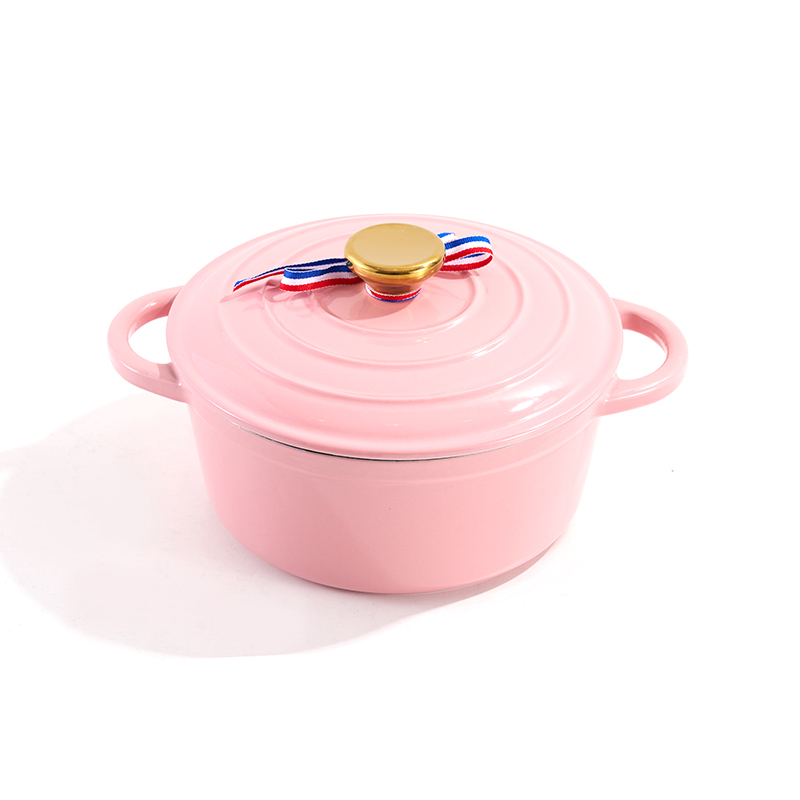
Many people who cook at home every day eventually look for pans that make cleanup quicker and let them use less oil without everything sticking. A typical household non-stick pot set relies on a special surface layer applied over a metal base, usually aluminum. This layer creates a smooth barrier that food slides off easily, whether you're flipping eggs in the morning or stirring a quick weeknight stir-fry. Getting familiar with how that surface actually works and how to treat it can make the difference between a set that lasts a couple of years and one that stays reliable much longer.
What are the main mechanisms behind the non-stick properties of a Household Non-Stick Pots Set, and what precautions should be taken when using it?
The slick feel in many household non-stick pots sets comes from a thin coating, often PTFE-based (the stuff commonly known as Teflon) or a newer ceramic formula. At its core, the coating has very low surface energy thanks to strong chemical bonds that prevent water and oil from adhering tightly. Food simply doesn't get a good hold, so it releases with almost no effort.
Extremely low friction: The molecular makeup creates a surface where food molecules barely stick, letting you fry or scramble with very little added fat.
Repels both water and oil: This hydrophobic and oleophobic nature is why eggs lift cleanly and sauces don't leave a mess behind.
Smooth layered application: Better sets build up several thin coats over a prepared base, so the non-stick surface stays bonded longer and resists peeling.
Still, these coatings aren't indestructible. Avoid preheating an empty pan too long—high temperatures over about 500°F can start to break the coating down and create fumes. Skip metal spatulas and spoons that scratch the surface, and avoid steel wool or harsh scouring pads. Gentle hand washing with mild dish soap is usually safest, even if the label says dishwasher-safe. Over months and years, the coating gradually wears, so once you notice food starting to stick despite proper use, it's time to replace the piece. Taking these steps helps keep the set working well and reduces any worry about off-gassing during normal cooking.
What type of aluminum material is typically used in a Multi-Skillet Cookware Set?
When companies put together a multi-skillet cookware set, they pick aluminum because it heats up fast and stays relatively light. But not every type of aluminum behaves the same once it's in your kitchen.
Hard-anodized aluminum: This is a favorite for better sets. An electric process builds up a thick, tough oxide layer on the surface, making the metal much harder and more scratch-resistant, while the inside core still heats quickly and evenly.
Stamped or extruded aluminum: Common in budget-friendly sets, this starts as flat sheets pressed into shape. It's light and responsive, but can dent or warp if the bottom is too thin or if you shock it with sudden temperature changes.
Cast aluminum: Used when makers want thicker, heavier skillets. The metal is melted and poured into molds, giving solid walls that hold heat longer and feel more substantial during cooking.
Clad construction: Some higher-end multi-skillet sets sandwich aluminum between stainless steel layers. This adds strength and makes the pans work on induction cooktops when a magnetic disc is bonded to the base.
The exact aluminum type influences how evenly your food browns and how long the skillets survive daily use. Thicker hard-anodized pieces usually feel more like a worthwhile investment.
Ceramic Coating Aluminium Cookware
Ceramic-coated aluminum cookware has become a go-to option for cooks who want easy release without traditional non-stick concerns. Here are straightforward answers to questions that come up often.
Is ceramic coating safer than regular PTFE non-stick for daily use?
Many ceramic versions skip PFOA and PTFE entirely, using a silicon-based sol-gel process instead. They're generally viewed as a lower-risk choice for most home cooking, although the coating can still wear out faster if the pan gets too hot too often.
Will ceramic-coated aluminum pans work on induction stoves?
Straight aluminum won't, since it isn't magnetic. Most good sets solve this by adding a stainless steel or iron plate to the bottom so the pans respond to induction while keeping the lightweight aluminum core for quick heating. Check the base carefully before buying.
How long can you expect the non-stick performance to last on ceramic aluminum cookware?
With normal home use and proper care, most ceramic coatings stay effective for one to three years. Using wooden or silicone tools, avoiding empty high-heat preheating, and hand washing gently instead of loading the dishwasher all help stretch that time noticeably.

 en
en
 Español