
 en
 Español
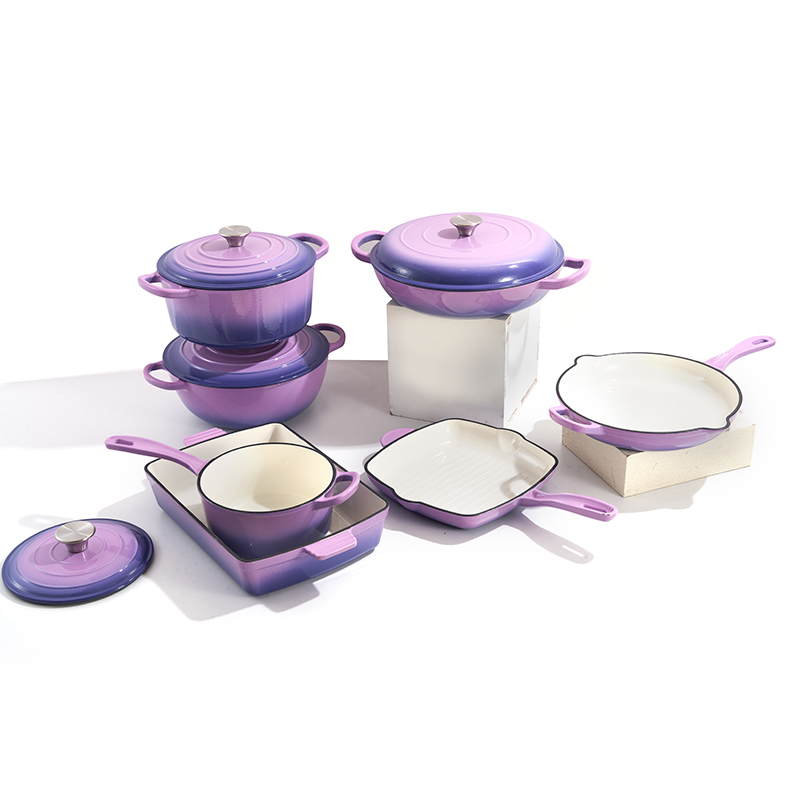
This cookware set features a non-stick coating, even heat conduction, and multi-...
See Details
Modern Cookware Sourcing: Are Material Standards Keeping Pace with Market Demands
Date:Nov 20, 2026
Modern kitchens are changing the way consumers evaluate cookware. Induction cooking, concerns about food contact safety, demand for durable surfaces, and interest in sustainable materials are influencing purchasing decisions across international markets. These changes also create new requirements for manufacturers, wholesalers, and private-label brands developing updated cookware collections.
At Echo Kitchenware, we recognize that material selection is closely connected to product development and market positioning. Buyers sourcing modern kitchen cookware need to evaluate more than appearance and initial purchase costs. Material composition, coating performance, regulatory compliance, and compatibility with different cooking equipment all deserve attention during supplier discussions.
1. Stainless Steel Remains an Important Material Choice
Stainless steel continues to play an important role in modern cookware collections because of its corrosion resistance, durability, and practical maintenance requirements. It is widely used in saucepans, stockpots, frying pans, and multi-piece cookware sets.
Several technical details deserve attention during procurement:
- Material grade: 304 stainless steel is commonly used for food-contact surfaces. Buyers should confirm the actual alloy composition through material documentation.
- Thickness: Different wall and base thicknesses affect product weight, structural strength, and heat response.
- Multi-layer construction: Aluminum-core stainless steel designs can improve heat distribution while retaining a stainless steel cooking surface.
- Surface finishing: Brushed, polished, and satin finishes offer different visual characteristics and maintenance requirements.
At Echo Kitchenware, we encourage buyers to define these specifications according to their target customers and product positioning rather than relying on general descriptions such as premium stainless steel.
2. Non-Stick Coating Requirements Are Changing
Coating safety and durability have become important considerations in cookware sourcing. Buyers increasingly examine coating composition, chemical disclosures, abrasion resistance, and applicable regional restrictions before developing non-stick product ranges.
Several coating-related factors should be included in supplier evaluations:
- PFAS-related requirements: Buyers should clarify whether their target markets restrict particular PFAS substances and request appropriate material declarations.
- Ceramic-based coatings: These provide an alternative surface technology for certain non-stick applications. Buyers should evaluate release performance, adhesion, and wear resistance.
- Coating thickness: Consistent application is important for surface appearance and product performance.
- Durability testing: Abrasion, scratch, adhesion, and thermal performance tests can provide useful evidence during product approval.
Our approach is to discuss coating specifications and destination-market requirements at the product development stage. Broad claims such as chemical-free or completely safe should not replace specific test results and compliance documentation.
3. Induction Compatibility Is Becoming a Key Design Requirement
Modern cookware needs to accommodate different household cooking systems. Induction cooktops, in particular, have influenced cookware base construction and material combinations.
Buyers should consider the following technical details:
- Magnetic base materials: Induction-compatible cookware requires a suitable magnetic layer or base construction.
- Base flatness: A stable, flat bottom supports proper contact with the cooking surface.
- Heat distribution: Multi-layer structures can help distribute heat across the cooking area.
- Multi-cooktop compatibility: Buyers should confirm suitability for induction, gas, electric, and ceramic cooktops according to the product design.
For international distributors, specifying compatible heat sources on product packaging and instruction materials can reduce confusion among retailers and end users.
4. Food Contact Compliance Requires Greater Attention
Material innovation should be accompanied by appropriate safety documentation. Different destination markets apply different requirements to food-contact materials, coatings, and product components.
Relevant regulatory references include:
- EU Regulation EC 1935/2004: Establishes general requirements for materials and articles intended to contact food.
- EU Regulation 2024/3190: Introduces restrictions concerning BPA and certain bisphenols in food-contact materials, subject to its scope and transitional provisions.
- FDA requirements: Applicable US food-contact provisions depend on the materials and substances used.
- California AB 1200: Includes disclosure requirements concerning intentionally added PFAS in certain cookware products.
At Echo Kitchenware, we recommend that buyers identify applicable regulations before confirming product materials. Relevant laboratory reports, material declarations, and product-specific documentation should be reviewed rather than assuming that a general certificate covers every cookware model.
5. Sustainable Materials and Product Durability Influence Sourcing
Environmental considerations are also influencing cookware development. Buyers are examining product lifespan, material recyclability, packaging choices, and manufacturing resource consumption as part of their sourcing decisions.
Several practical considerations can support this process:
- Prioritize durable metal construction that supports repeated household use.
- Evaluate recyclable material options and the separation of different product components.
- Consider packaging designs that reduce unnecessary materials while maintaining transportation protection.
- Request transparent information about material composition and coating specifications.
Durability should remain part of sustainability discussions. A cookware item that maintains its intended function over an extended period may reduce replacement frequency, although actual service life depends on construction, maintenance, and usage conditions.
6. What Should Buyers Discuss with Cookware Manufacturers?
Changing material expectations make supplier communication an important part of procurement planning. At Echo Kitchenware, we suggest discussing these points before confirming a new cookware project:
- Material specifications: Confirm alloy grades, coating types, thickness, and construction details.
- Performance requirements: Define testing expectations for heat distribution, corrosion resistance, coating adhesion, and induction compatibility.
- Regulatory documentation: Identify destination-market requirements and relevant testing reports.
- Customization: Discuss dimensions, surface finishes, handle designs, packaging, and private-label branding.
- Production consistency: Establish inspection procedures and approved reference samples for repeat orders.
Develop Your Next Cookware Collection with Echo Kitchenware
Modern cookware sourcing requires a balance between material performance, regulatory expectations, functional design, and commercial requirements. Stainless steel construction, updated coating technologies, induction compatibility, and material transparency are all influencing product development decisions.
At Echo Kitchenware, we welcome discussions with importers, wholesalers, retailers, and private-label brands seeking cookware manufacturing and customization solutions. Our team can discuss product specifications, material options, and OEM/ODM project requirements according to your target market.
Recommended Articles
Product Category
Related products
-
-
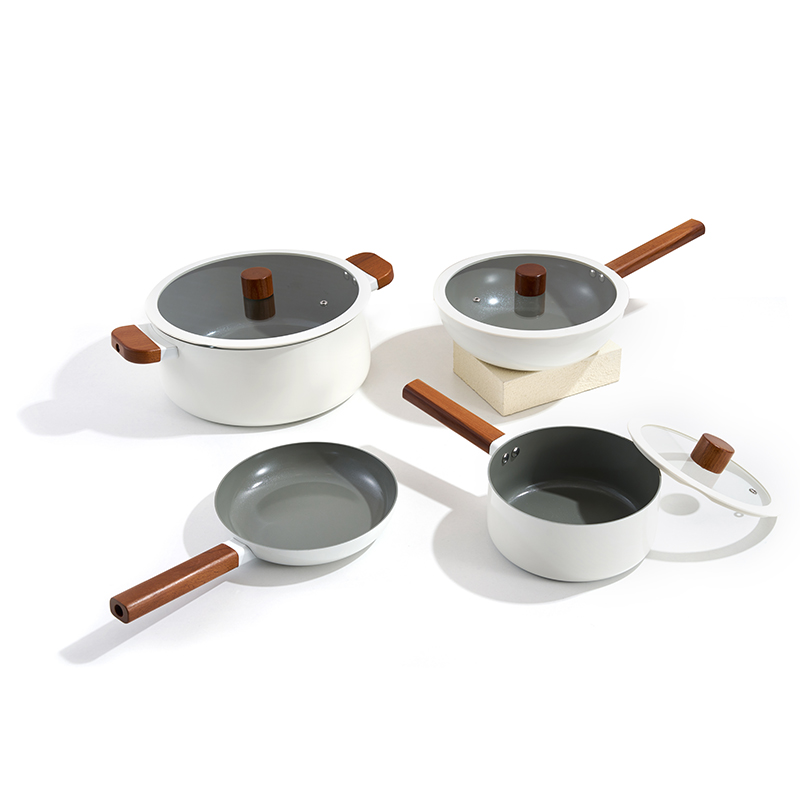
This cookware set has a ceramic non-stick inner liner, a heat-resistant wooden h...
See Details -
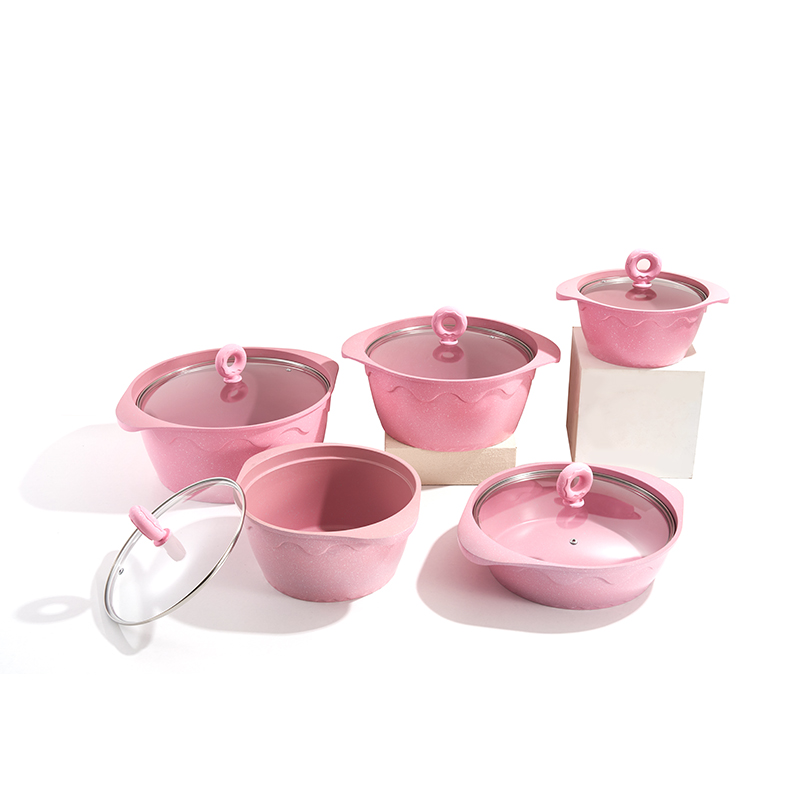
This cookware set is made of food-grade non-stick material, with a unique eye-ca...
See Details -
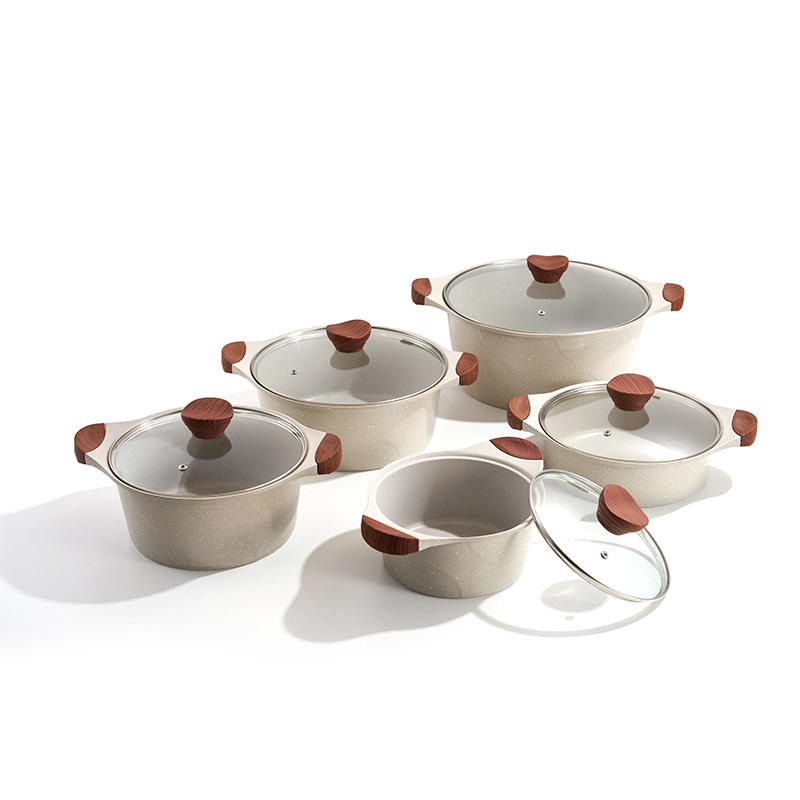
This off-white cookware set is made of wear-resistant non-stick material, with w...
See Details
Whether you're looking for bulk purchases or have any custom requirements, We are here to offer the best
solutions for you.
tiffany.zhong@echocn-trading.com
PHONE
+86-19561173975
+86-19557020621 (Hazel Wu)
ADD
Room 301, Unit 3014, No. 175 Qifeng Avenue, Wenqiao Town, Taizhou, Zhejiang, China
Fill Out the Form for More Information
Copyright © Zhejiang Echo Industry And Trade Co., Ltd.
All Rights Reserved.

China Cookware Set Manufacturer