
 en
 Español

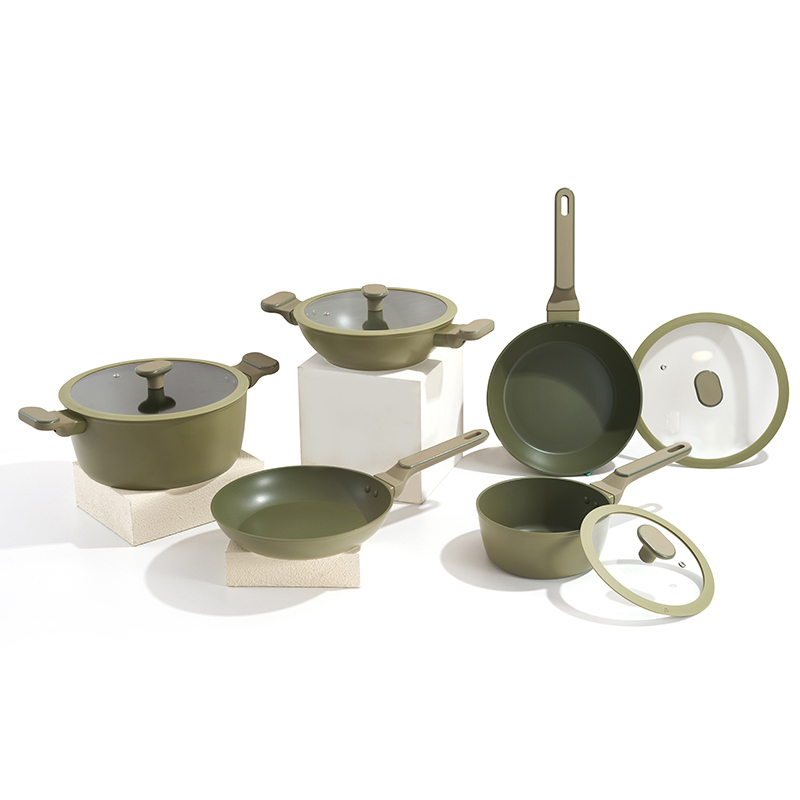
This cookware set features a non-stick coating, even heat conduction, and multi-...
See Details
Cast Iron Dutch Oven with Iron Lid: Durable Heat Retention for Everyday Slow Cooking
Date:Oct 31, 2026
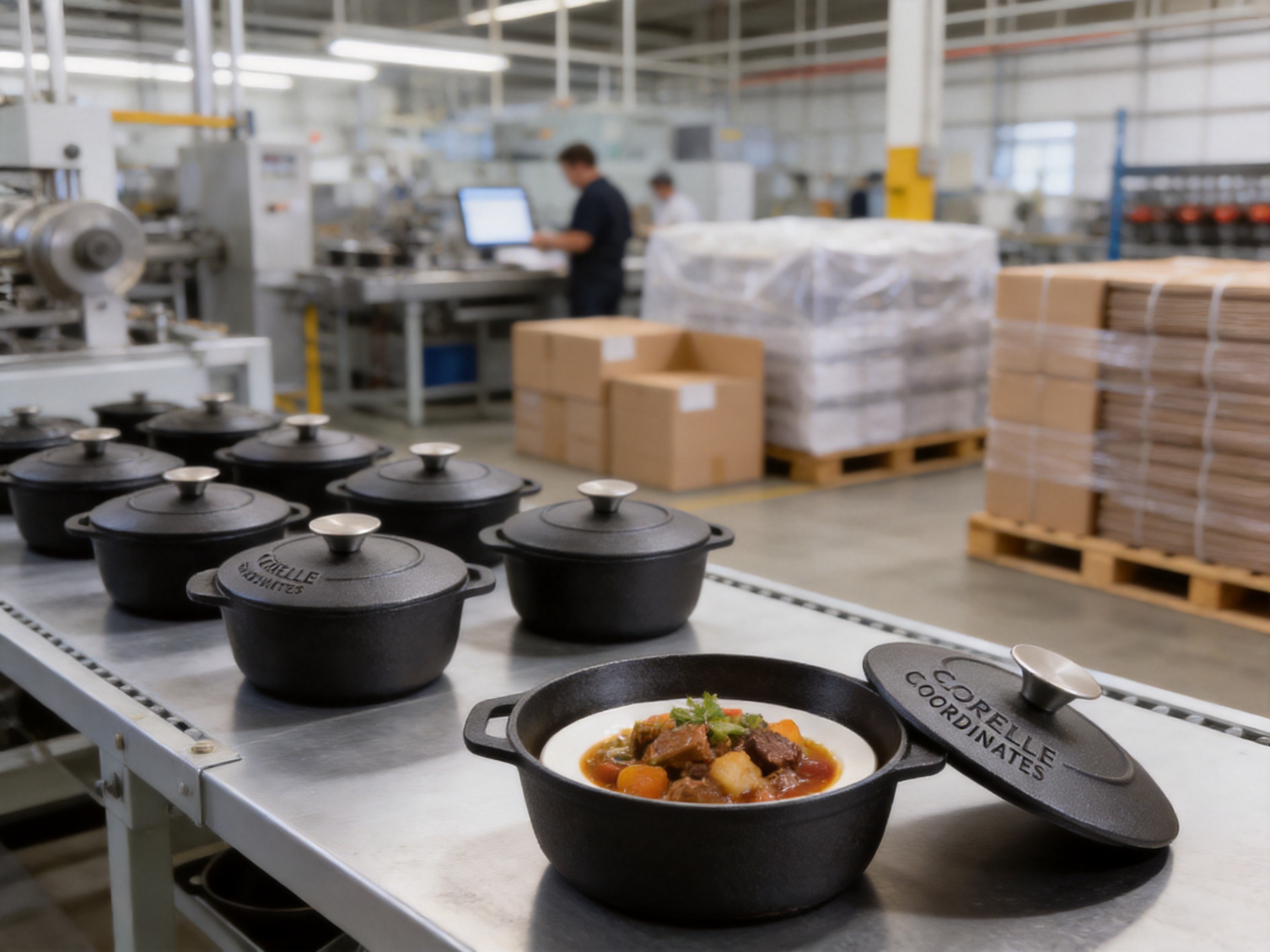
A dependable Dutch oven is one of the most useful pieces of cookware in a modern kitchen. It can transform inexpensive ingredients into rich braises, tender stews, fragrant baked dishes, and slowly simmered meals. The Cast Iron Dutch Oven with Iron Lid is designed for this style of cooking, combining a solid cast iron body with a matching iron lid, sturdy integrated handles, and the long-lasting performance expected from traditional cast iron cookware.
With its compact 16 × 11 cm size, the product is suitable for individual servings, small households, side dishes, controlled recipe testing, and food presentation. Its construction emphasizes heat retention, even heat distribution, durability, and compatibility with gas stovetops. Rather than relying on lightweight construction or decorative features alone, this Dutch oven is built around the fundamental strengths of cast iron: thermal stability, cooking versatility, and long service life when properly maintained.
For cookware importers, distributors, restaurant-supply companies, retailers, and private-label buyers, the product also represents a practical sourcing option from a professional kitchenware supplier in Zhejiang, China. The supplier offers a broader cookware portfolio that includes aluminum cookware, stainless steel cookware, cast iron cookware, and kitchen utensils, allowing buyers to develop a coordinated product range rather than source every category from a separate manufacturer.
1. Product Overview
The Cast Iron Dutch Oven with Iron Lid consists of a solid cast iron cooking body and a matching iron lid. This material combination creates a robust vessel for recipes that benefit from gradual heating and stable temperatures. The body is designed to hold heat after the cooking surface has warmed, while the lid helps retain heat and moisture during covered cooking.
The product is identified by SKU XQ03 and belongs to the Iron Cookware category. Its listed dimensions are 16 × 11 cm, giving it a compact profile that can be used for smaller portions or specialized cooking tasks. The integrated handles are designed to support safe lifting and handling, particularly when the cookware is moved from the stovetop after cooking.
The Dutch oven is intended for gas stovetop cooking. This specification is important for buyers and end users because cookware should always be used according to its stated compatibility. The product should not be placed in a microwave, should not be overheated while empty, and should not be used with a flame or heat source extending beyond its base.
Its principal applications include braising, baking, slow cooking, simmering, and preparing dishes that require consistent heat over an extended period. The solid body is especially suitable for recipes in which ingredients must cook gently rather than experience rapid temperature changes.
| Product Attribute | Specification |
|---|---|
| Product name | Cast Iron Dutch Oven with Iron Lid |
| SKU | XQ03 |
| Category | Iron Cookware |
| Material | Cast iron body with iron lid |
| Product size | 16 × 11 cm |
| Primary heat source | Gas stovetop |
| Main cooking uses | Braising, baking, slow cooking, and covered simmering |
| Handle design | Integrated handles |
| Individual carton information | 13 × 17 × 17 cm; approximately 5 kg; 0.0038 m³ |
| Outer carton information | 35 × 27 × 17 cm; approximately 20.5 kg; 0.0161 m³ |
The packaging information supplied for the product lists both individual-carton and larger-carton configurations. Buyers should confirm the final packing arrangement, carton count, and shipping configuration with the supplier before placing a production or export order, particularly because the supplied specifications include separate entries for carton quantity and carton weight.
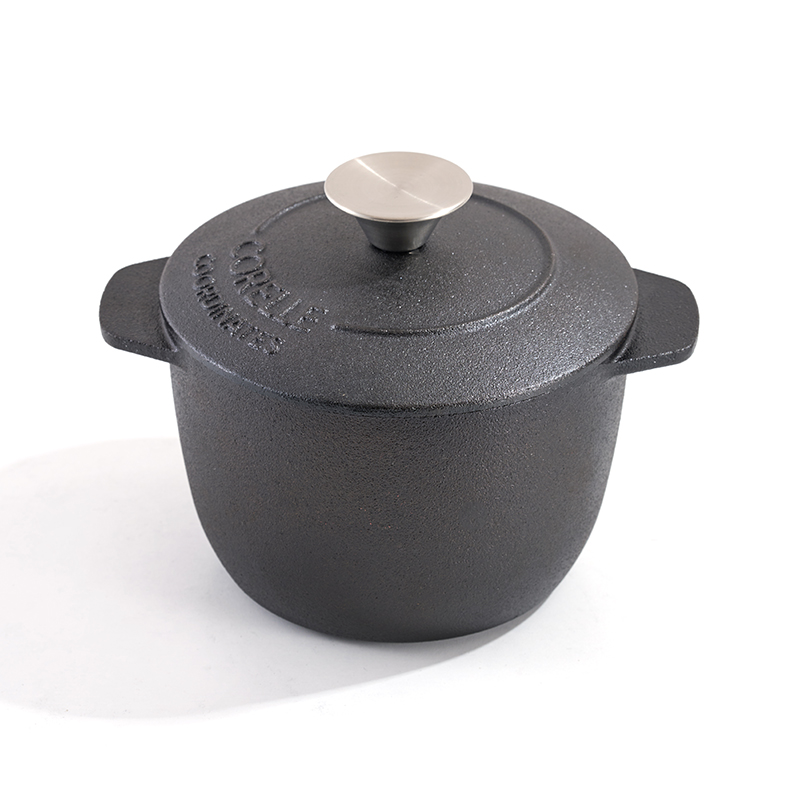
Cast Iron Dutch Oven with Iron Lid
2. Why Cast Iron Remains a Competitive Cookware Material
Cast iron has remained relevant despite the arrival of aluminum, stainless steel, ceramic-coated, and other modern cookware materials. Its continued popularity comes from a combination of characteristics that are difficult to reproduce in a lightweight pan. The material is dense, strong, and capable of storing substantial heat. Once heated, it can maintain a relatively stable cooking environment, which is valuable for slow, controlled preparation.
2.1 Strong Heat Retention
One of the most important advantages of this Dutch oven is its ability to retain heat. Lightweight cookware may respond quickly to changes in burner temperature, but it can also lose heat rapidly when cold ingredients are added. A solid cast iron body changes temperature more gradually. This can help maintain a steady cooking process when searing, simmering, or braising.
Heat retention is particularly helpful for recipes such as stews, beans, braised vegetables, and slow-cooked meat. These foods benefit from a stable temperature rather than repeated fluctuations. The Dutch oven can be preheated carefully, ingredients can be added in stages, and the covered vessel can continue cooking with less abrupt heat loss.
2.2 Even Heat Distribution During Cooking
Cast iron distributes heat across the cooking body after sufficient preheating. This supports more consistent cooking than a thin vessel that develops intense hot spots immediately above the burner. Even distribution does not eliminate the need for responsible heat control, but it can make the cooking process more predictable.
For manufacturers and retailers, this performance characteristic provides a clear point of differentiation. The product is not merely a decorative miniature pot. Its value comes from the relationship between material thickness, heat capacity, and functional shape. These qualities support real cooking applications and give the cookware a durable, traditional identity.
2.3 Durability for Long-Term Use
Cast iron is valued for its strength and longevity. When handled correctly, the Dutch oven can remain useful for many years. Its solid construction is less dependent on delicate components, and its integrated handles reduce reliance on attached parts that may loosen over time.
Durability is also commercially important. Retailers can position the product as a long-term kitchen investment rather than a short-lived replacement item. Buyers often associate durable cookware with value because the initial purchase can support repeated use across many cooking seasons.
2.4 A Functional Matching Lid
The matching iron lid completes the cooking system. A close-fitting lid helps keep heat inside the vessel and reduces the escape of steam during covered cooking. This is useful for dishes that require moisture retention, gradual tenderizing, or prolonged simmering.
The lid also helps create a more controlled cooking environment. Ingredients are protected from excessive surface drying, and aromatic ingredients can remain within the cooking vessel instead of dispersing quickly. For slow-cooking recipes, the lid is not an accessory added for appearance; it is a central part of the product’s performance.
3. Product Advantages Over Common Competitor Types
Every cookware material has strengths and limitations. The competitive advantage of this cast iron Dutch oven is best understood by comparing it with common alternatives. These comparisons should not suggest that other materials are unsuitable. Instead, they show why a solid iron product can occupy a valuable position in a balanced cookware portfolio.
3.1 Compared with Lightweight Aluminum Cookware
Aluminum cookware is generally valued for being light and responsive. It heats quickly and is easy to handle. However, lightweight construction may not provide the same heat retention as a substantial cast iron vessel. When cold food is introduced, the temperature of a thin aluminum pan can change rapidly.
The cast iron Dutch oven offers the opposite performance profile. It is heavier, but that weight is connected to thermal stability and structural strength. For braising and slow cooking, the ability to hold heat can be more important than rapid response. This makes the Dutch oven a complementary product rather than a direct replacement for every aluminum pan.
For product assortment planning, a supplier can offer aluminum cookware for fast daily cooking while positioning the cast iron Dutch oven for slow cooking, rustic recipes, and premium traditional kitchenware collections.
3.2 Compared with Stainless Steel Cookware
Stainless steel is recognized for its clean appearance, corrosion resistance, and broad household use. It is often selected for saucepans, stockpots, and cooking tools. However, stainless steel by itself may not retain heat in the same way as a thick cast iron body.
The cast iron Dutch oven provides a different experience. Its dense material and covered design support slow, steady preparation. It also offers a visibly substantial product identity that appeals to customers who prefer traditional cookware with a solid, durable feel.
Stainless steel and cast iron can therefore serve different purposes within the same product range. A professional supplier with access to both categories can help buyers build a complete collection rather than forcing one material to perform every task.
3.3 Compared with Thin or Decorative Iron Products
Some products may use iron as a visual theme while relying on thinner construction or less functional forms. A solid cast iron body offers a stronger connection between appearance and performance. The body is designed to retain and distribute heat, while the lid and handles are integrated into a practical cooking format.
This distinction can be important in a competitive market. Consumers increasingly examine whether cookware is genuinely functional, not simply attractive in product photography. A Dutch oven that is suitable for braising, baking, and slow cooking can support stronger product credibility than an item designed primarily for display.
3.4 Compared with Small Open Frying Pans
An open frying pan is useful for searing and quick cooking, but it cannot provide the same covered environment as a Dutch oven. The matching lid helps retain moisture and heat, making the product more suitable for recipes that require a longer cooking period.
The compact size of this model also gives it a practical niche. It can be used for individual or small portions without requiring a large family-sized vessel. This makes it attractive for smaller households, controlled serving sizes, restaurant presentation, and specialty recipes.
4. Design Features That Support Everyday Use
4.1 Solid Cast Iron Body
The body is the foundation of the product. Its solid cast iron construction gives the Dutch oven a substantial feel and supports its heat-retaining performance. The material is appropriate for recipes that move from initial heating into extended covered cooking.
A solid body also contributes to stability on the stovetop. Users should still place the pot carefully and use a suitable burner, but the cookware is designed to remain steady during normal stovetop operation. Its weight can be an advantage when stirring thicker foods or handling slow-cooked dishes.
4.2 Matching Iron Lid
The matching lid creates a coordinated cooking vessel. It helps maintain the internal environment and supports recipes that depend on moisture. The lid should be handled carefully because iron cookware becomes hot during use. Oven mitts, heat-resistant gloves, or suitable protective tools should be used when lifting it.
4.3 Integrated Handles
Integrated handles are a practical design feature for a heavy cooking vessel. They provide stable grip points and can support lifting, moving, and serving. Users should remember that handles may become hot during stovetop cooking, so they should not be touched with bare hands.
For retailers, integrated handles also contribute to a recognizable traditional Dutch oven appearance. They communicate that the product is intended for serious cooking rather than occasional decorative use.
4.4 Compact Dimensions
The 16 × 11 cm dimensions allow the product to occupy a specialized position in the market. Large Dutch ovens are suitable for family meals, but smaller vessels can serve single portions, side dishes, dips, baked desserts, and tabletop presentations.
Compact cookware may also appeal to consumers with limited kitchen storage. It can be easier to place on a small gas burner, although the flame must remain within the base area. The smaller format may also support hospitality and food-service applications where individual presentation is part of the dining experience.
5. Manufacturing Strengths and Supply-Chain Capabilities
The supplier, Zhejiang Echo Industry And Trade Co., Ltd., is presented as a professional kitchenware company based in Zhejiang, China. The company’s stated business direction includes cookware supply, kitchen accessories, one-stop sourcing, ODM and OEM customization, product certification assistance, flexible minimum order quantities, and sustainable and healthy product development.
These capabilities are important for buyers seeking more than a single standard product. A cookware importer may require coordinated materials, packaging adaptation, private labeling, documentation, and support across several product categories. A supplier with a broad portfolio can reduce the complexity of managing separate factories for aluminum, stainless steel, cast iron, and utensils.
5.1 Product-Category Integration
The company’s product range covers aluminum cookware, stainless steel cookware, iron cookware, and kitchen utensils. This range supports a more complete sourcing program. A buyer can develop a mixed-material cookware collection with consistent commercial coordination.
For example, a retail assortment could include lightweight aluminum products for fast cooking, stainless steel cookware for general household use, cast iron Dutch ovens for slow cooking, and utensils to complete the kitchen range. This type of product integration can help retailers create themed collections and improve purchasing efficiency.
5.2 ODM and OEM Support
ODM and OEM services can be valuable when a customer needs a product adapted for a particular market. Potential customization areas may include packaging, labeling, color treatment where applicable, set configuration, documentation, and product presentation. Specific customization options should be confirmed during technical discussions because they depend on tooling, order quantity, finish requirements, and regulatory needs.
For private-label buyers, the ability to coordinate product identity with manufacturing support can reduce the distance between concept and finished merchandise. A well-managed OEM process should include approved drawings or samples, clear material specifications, packaging confirmation, inspection requirements, and written approval before mass production.
5.3 Flexible MOQ Planning
The company identifies flexible minimum order quantities as part of its service offering. This can help small and medium-sized buyers test new products before committing to a large inventory position. A compact cast iron Dutch oven can be introduced as a trial item, seasonal product, or premium addition to an existing cookware range.
Buyers should still request a precise quotation that covers the applicable MOQ, sample policy, production lead time, packaging requirements, and shipping terms. Flexibility is most useful when supported by clear commercial documentation.
5.4 Certification Assistance
Product certification requirements differ according to the destination market, sales channel, material claims, and intended use. The company states that it can assist with product certification. Buyers should provide the target-country requirements at the beginning of the project so that the supplier can identify the appropriate documentation, testing, labeling, and packaging expectations.
Certification assistance should be treated as a coordinated process rather than an assumption that every market has identical requirements. Food-contact cookware, packaging materials, coatings, labeling language, and testing procedures may all require review.
5.5 A Supply-Chain Partner for Small and Medium-Sized Buyers
The company describes a long-term goal of becoming an R&D-driven supply-chain partner instead of merely accepting orders. This direction is relevant to buyers that need product development advice, assortment planning, and practical support during commercialization.
An R&D-driven approach can help identify opportunities for better usability, more efficient packaging, coordinated product sizes, and market-specific product positioning. For the Cast Iron Dutch Oven with Iron Lid, this may include evaluating serving formats, carton protection, user instructions, sample approval, and product photography requirements.
6. Manufacturing Process Considerations for Cast Iron Cookware
Cast iron cookware requires careful control from material preparation through finishing and packing. The exact factory process for this model should be confirmed with the supplier, but professional cast iron production generally depends on disciplined control of casting, cooling, surface treatment, inspection, and packaging.
6.1 Material Preparation
Consistent material preparation is essential for a strong cast iron product. The material composition, charge preparation, and melting controls influence the final body. A professional manufacturing system should maintain documented procedures for material handling and production batches.
For buyers, the relevant quality questions include whether material specifications are documented, whether production lots are traceable, and how the factory manages deviations. These questions are especially useful when purchasing cookware for multiple markets or repeat orders.
6.2 Mold and Shape Control
The mold defines the body profile, handle structure, lid relationship, and overall dimensions. Accurate mold control helps ensure that the lid matches the body and that the product has a stable, usable form.
Because this Dutch oven includes a separate matching lid, dimensional coordination is particularly important. The body and lid should be checked as a set rather than as unrelated components. Proper fit contributes to heat retention, practical handling, and customer satisfaction.
6.3 Controlled Casting and Cooling
During casting, molten material must fill the mold correctly and produce a consistent body. Cooling should be controlled to reduce the likelihood of defects caused by uneven thermal changes. The exact procedures depend on the factory’s equipment and technical standards.
A responsible buyer can request information about process inspection, casting-defect control, and sample approval. Visual inspection alone may not identify every issue, so quality plans should define the acceptable standards for the body, lid, handles, surface, and dimensions.
6.4 Surface Finishing
After casting, the cookware may require cleaning, trimming, smoothing, and finishing. These steps remove unwanted casting residues and prepare the surface for its intended condition. A clean, consistent surface is important both for appearance and for user confidence.
Any surface treatment, seasoning, coating, or protective finish should be clearly documented. Users must receive care instructions that correspond to the actual finish supplied. Buyers should not apply generic coating claims without confirming the product specification.
6.5 Assembly and Fit Inspection
The body, lid, and integrated handles should be checked for structural quality and usability. The lid should align properly with the body, and handles should be secure and free from sharp or unsafe edges. The compact product format makes dimensional accuracy particularly important because small deviations can affect the lid relationship and stability.
6.6 Final Inspection and Packing
Final inspection may include appearance, dimensions, weight, lid fit, handle condition, surface consistency, carton labeling, and quantity verification. Packaging should protect the heavy iron product from impact during transport and should reduce the risk of movement inside the carton.
The listed packaging information indicates an individual carton size of 13 × 17 × 17 cm and a larger carton size of 35 × 27 × 17 cm. The supplied data also lists approximately 5 kg for one carton configuration and approximately 20.5 kg for another. These details should be confirmed before shipment so that freight calculations and warehouse planning are accurate.
7. Cooking Performance and Recommended Applications
7.1 Braising
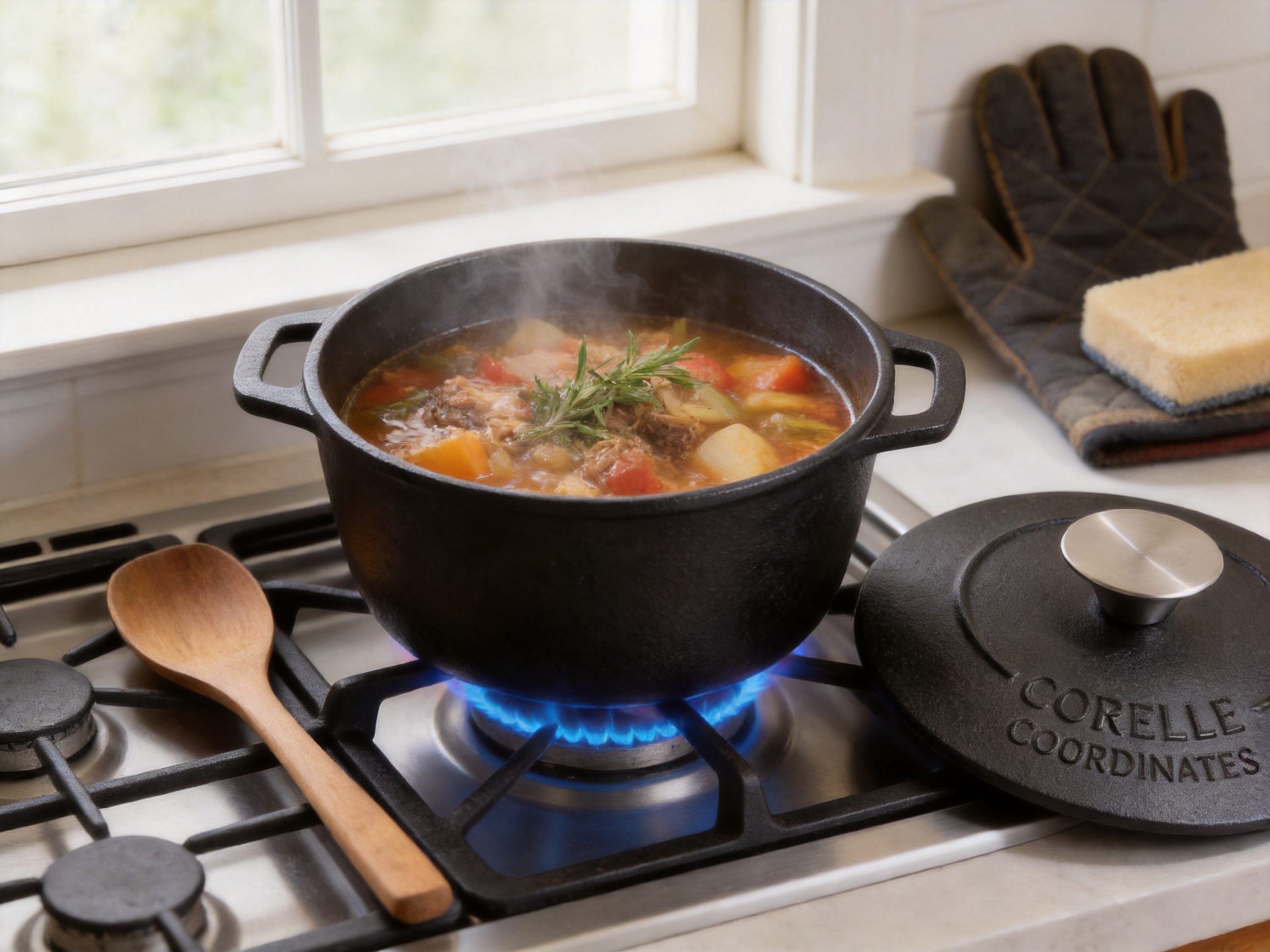
Braising is one of the most suitable applications for this Dutch oven. The process usually begins with careful heating and may include browning ingredients before adding liquid. The lid can then be used to maintain moisture while the ingredients cook gradually.
The cast iron body supports the transition from initial heating to slow cooking. Users should avoid excessive heat and allow the cookware to warm progressively. This approach helps protect the vessel and improves control over the cooking process.
7.2 Slow Cooking
Slow cooking benefits from a stable covered environment. The Dutch oven can be used for recipes that require extended simmering, provided the heat is controlled and the product is used on an appropriate gas stovetop burner.
Examples include vegetable stews, beans, grain-based dishes, and tender meat preparations. The compact capacity is especially useful for small batches and individual portions. Users should avoid filling the pot beyond a practical level because overfilling can make stirring and handling difficult.
7.3 Baking
The product description identifies baking as one of its intended uses. Buyers should interpret this according to the stated product limitations and confirm the appliance compatibility before use. The supplied information specifically describes the cookware as designed for gas stovetop cooking, so users should not assume suitability for every oven or appliance without confirmation.
Where the recipe and equipment instructions permit, the covered format can help maintain moisture and support even cooking. Customers should always follow the product’s actual use instructions and use appropriate protective equipment.
7.4 Serving and Presentation
The compact design can support direct serving for individual meals or shared side dishes. Cast iron cookware often has a traditional visual character that works well in rustic, farmhouse, and professional food-service settings.
Serving directly from the pot can reduce the number of dishes required, but the cookware remains hot for an extended time. A heat-resistant base or trivet should be used to protect tables and countertops.
8. Care and Maintenance Instructions
Correct care is essential for preserving the appearance and service life of cast iron cookware. The supplied instructions recommend washing before first use and favor hand washing to preserve the appearance of the cookware.
8.1 Use Suitable Cooking Utensils
Users should avoid metal or sharp cooking utensils. Wooden, nylon, or non-stick cooking utensils are recommended. These softer tools can help reduce the risk of scratches, marks, or damage to the cooking surface.
8.2 Clean with Hot, Soapy Water
After the cookware has cooled sufficiently, clean it with hot, soapy water and a soft cloth or sponge. Abrasive tools and aggressive cleaning methods should be avoided unless specifically approved for the product finish.
The cookware should be dried thoroughly after washing. Standing moisture may affect the appearance of iron cookware and can contribute to surface deterioration over time. The exact maintenance routine may vary depending on the finish, so the supplier’s final care documentation should be followed.
8.3 Never Overheat an Empty Pot
The Dutch oven should not be overheated while empty. Empty cookware can become extremely hot and may be damaged by uncontrolled heating. Users should prepare ingredients in advance and avoid leaving the vessel unattended on an active burner.
8.4 Keep the Flame Under the Base
The flame or heat source should not extend beyond the base of the item. Excess flame can heat the sides and handles unnecessarily, waste energy, and create a safety risk. Correct burner selection and moderate heat are important parts of responsible use.
8.5 Respond Safely to Severe Overheating
If the pan severely overheats, users should turn off the cooker and leave the cookware to cool completely. They should not touch the hot surface directly or attempt to move it without suitable protection. Sudden cooling may also create thermal stress, so the cookware should be allowed to cool naturally.
8.6 Do Not Use in a Microwave
The product must not be placed in a microwave. Iron cookware is unsuitable for microwave use and can create a serious safety hazard. This warning should be displayed clearly in consumer instructions and product listings.
9. Commercial Opportunities for Retailers and Importers
The Cast Iron Dutch Oven with Iron Lid can be positioned in several market segments. Its traditional material, practical lid, compact size, and cooking versatility make it suitable for cookware retailers, kitchenware wholesalers, hospitality suppliers, gift channels, and private-label brands.
9.1 Premium Traditional Cookware
Retailers can present the product as a durable traditional cookware item for consumers who value long-term use. The solid body and iron lid communicate a substantial product identity that can distinguish it from lightweight mass-market cookware.
9.2 Small-Portion and Individual-Serving Cookware
The compact 16 × 11 cm format creates an opportunity for individual portions and smaller households. This positioning may appeal to customers who cook for one or two people, as well as restaurants that serve dishes directly in small cookware vessels.
9.3 Gift and Seasonal Collections
Cast iron cookware can fit gift collections associated with cooking, home improvement, seasonal entertaining, and traditional food preparation. Packaging design, recipe cards, and care instructions can help retailers explain the product’s value and encourage confident use.
9.4 Coordinated Multi-Material Ranges
Because the supplier offers aluminum, stainless steel, cast iron, and kitchen utensils, buyers can develop a coordinated collection across several price points and cooking applications. The cast iron Dutch oven can serve as the durable, slow-cooking centerpiece of a broader cookware assortment.
10. Quality-Control Checklist for Buyers
Before confirming a purchase, buyers should evaluate both the product and the supplier’s production controls. A practical checklist can reduce misunderstandings and improve consistency across repeat orders.
| Inspection Area | Recommended Buyer Check |
|---|---|
| Material | Confirm cast iron body and iron lid specifications. |
| Dimensions | Verify the 16 × 11 cm size and acceptable production tolerance. |
| Lid fit | Check that the matching lid aligns properly with the body. |
| Handles | Inspect integrated handles for secure construction and smooth edges. |
| Surface | Check for unacceptable cracks, sharp casting remnants, or inconsistent finishing. |
| Function | Confirm suitability for the stated gas stovetop application. |
| Care instructions | Ensure the supplied instructions match the actual finish and product design. |
| Packaging | Confirm individual and outer carton sizes, quantities, weights, and protection. |
| Documentation | Request applicable test reports, declarations, labels, and certification support. |
| Sampling | Approve production samples before mass manufacturing. |
A written quality agreement can further clarify acceptable standards. It may cover cosmetic tolerances, dimensional tolerances, packaging requirements, inspection procedures, labeling, and corrective-action expectations. This is especially useful for buyers importing repeated shipments under a private label.
11. Frequently Asked Questions
Q1: What is the main material of the Dutch oven?
The body is made of cast iron and the product includes a matching iron lid. This construction supports heat retention, heat distribution, and long-term durability.
Q2: What is the product size?
The listed product size is 16 × 11 cm. Buyers should confirm how the dimensions are measured, including whether they refer to the body, cooking area, height, or overall external dimensions.
Q3: What cooking methods are recommended?
The product is described as suitable for braising, baking, and slow cooking. It is designed for gas stovetop cooking, and users should follow the supplier’s final instructions for any specific appliance or recipe.
Q4: Can the Dutch oven be used in a microwave?
No. The product must not be used in a microwave.
Q5: Can metal utensils be used?
Metal or sharp cooking utensils should be avoided. Wooden, nylon, or non-stick cooking utensils are recommended.
Q6: How should the product be cleaned?
Use hot, soapy water with a soft cloth or sponge. Hand washing is recommended to help preserve the cookware’s appearance. The product should be dried thoroughly after washing.
Q7: What should users do if the cookware overheats?
If the cookware severely overheats, turn off the cooker and leave the pot to cool completely. Do not touch or move it without appropriate protection, and avoid sudden cooling.
Q8: Is the product suitable for all stovetops?
The supplied product information identifies gas stovetop cooking as the intended application. Compatibility with induction, electric, ceramic, or other heat sources should be confirmed with the supplier before use.
Q9: Why is cast iron advantageous for slow cooking?
Cast iron retains heat and distributes it gradually after warming. This can help maintain a stable cooking environment for braising, simmering, and other slow-cooking recipes.
Q10: Does the product include a lid?
Yes. The product includes a matching iron lid designed to help retain heat and moisture during covered cooking.
Q11: What packaging information is available?
The supplied information lists an individual carton size of 13 × 17 × 17 cm, approximately 5 kg in carton weight, and 0.0038 m³ in volume. It also lists a larger carton configuration of 35 × 27 × 17 cm, approximately 20.5 kg, and 0.0161 m³. The carton quantities and final packing arrangement should be confirmed before ordering.
Q12: Can the supplier support private-label projects?
The company states that it offers ODM and OEM customization, certification assistance, flexible minimum order quantities, and one-stop cookware sourcing. Specific options should be discussed and confirmed according to the project requirements.
Q13: What other product categories can be sourced from the supplier?
The supplier’s stated categories include aluminum cookware, stainless steel cookware, iron cookware, and kitchen utensils. This can support a coordinated multi-category purchasing program.
Q14: Is the Dutch oven suitable for large family meals?
The compact 16 × 11 cm format is more naturally suited to individual servings, small portions, side dishes, and specialized recipes. Buyers seeking large-capacity cookware should request additional sizes from the supplier.
Q15: Why should buyers request a sample before mass production?
A sample allows the buyer to verify dimensions, lid fit, surface quality, handles, packaging, labeling, and overall usability before approving a larger order. Sample approval can reduce the risk of differences between expectations and mass-produced goods.
12. Final Assessment
The Cast Iron Dutch Oven with Iron Lid is a practical, durable, and versatile product centered on the proven strengths of cast iron. Its solid body offers strong heat retention and gradual heat distribution, while the matching iron lid supports covered cooking and moisture retention. Integrated handles contribute to stable handling, and the compact 16 × 11 cm format gives the product a useful position in individual-serving, small-batch, gift, and specialty cookware markets.
Compared with lightweight aluminum cookware, the Dutch oven emphasizes thermal stability and durability. Compared with stainless steel, it offers a more traditional heat-retaining cooking experience. Compared with decorative or thin iron products, its value is based on a functional body, lid, and handle design intended for real cooking applications.
The supplier adds value through a broad kitchenware portfolio, one-stop sourcing, ODM and OEM support, certification assistance, flexible MOQ planning, and an expressed focus on becoming an R&D-driven supply-chain partner. These capabilities can benefit buyers that want to develop a complete cookware range instead of purchasing isolated products.
For successful commercialization, buyers should confirm the final dimensions, packaging configuration, heat-source compatibility, surface treatment, care instructions, certification requirements, and inspection standards. With those details properly controlled, this compact cast iron Dutch oven can serve as a dependable addition to household cookware, hospitality supply, private-label collections, and traditional kitchenware assortments.
References
1. Product specification sheet for Cast Iron Dutch Oven with Iron Lid, SKU XQ03.
2. Supplier-provided cookware category and packaging information.
3. General principles of cast iron cookware heat retention, heat distribution, and maintenance.
4. General food-contact cookware quality-control and product-documentation practices.
5. Supplier information regarding ODM, OEM customization, certification assistance, flexible MOQs, and one-stop kitchenware sourcing.
Product: Cast Iron Dutch Oven with Iron Lid
Recommended Articles
Product Category
Related products
-
-
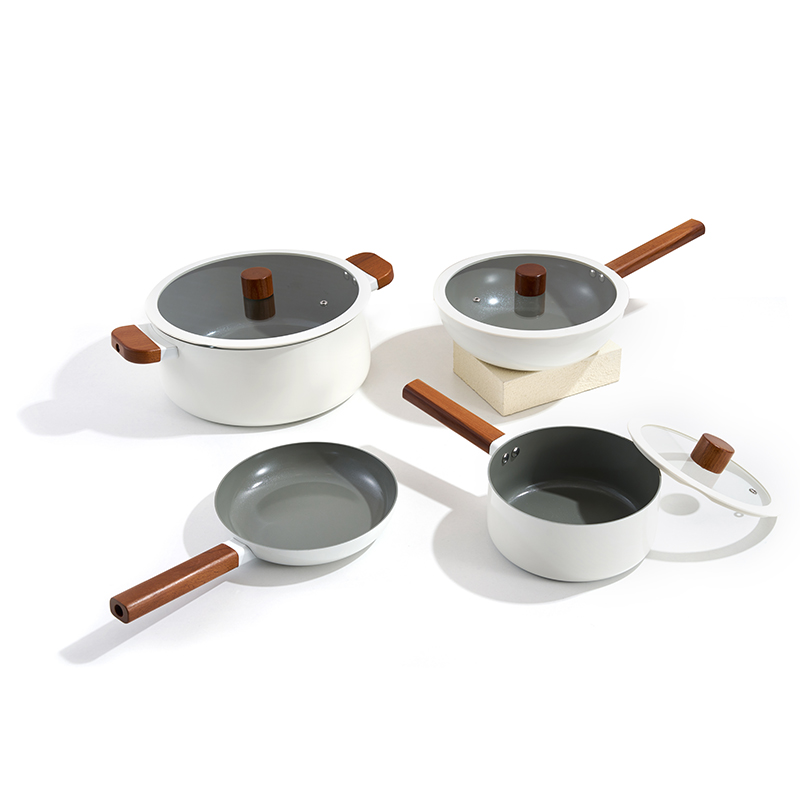
This cookware set has a ceramic non-stick inner liner, a heat-resistant wooden h...
See Details -
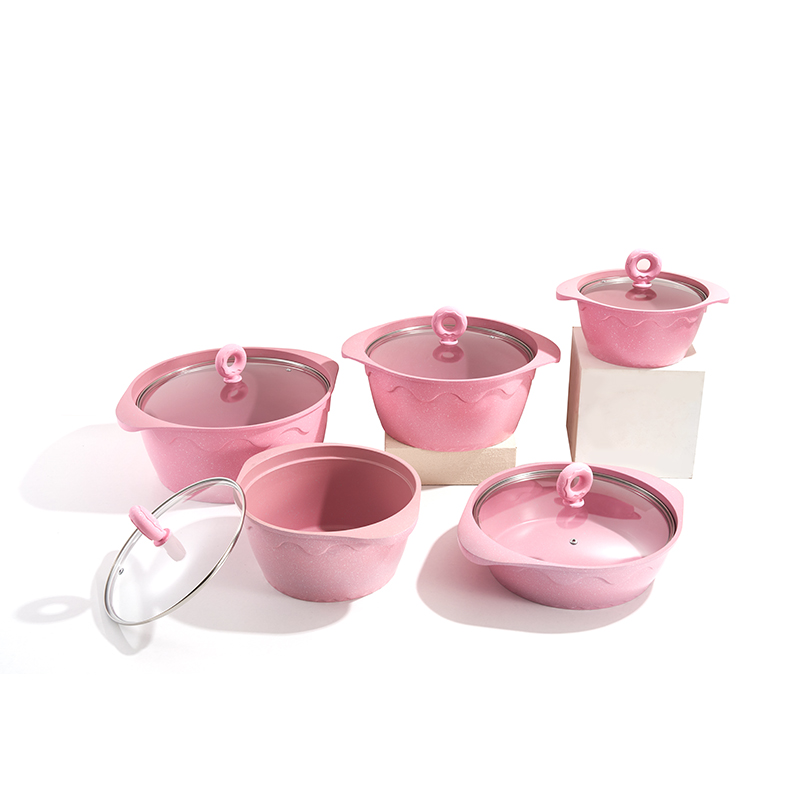
This cookware set is made of food-grade non-stick material, with a unique eye-ca...
See Details -
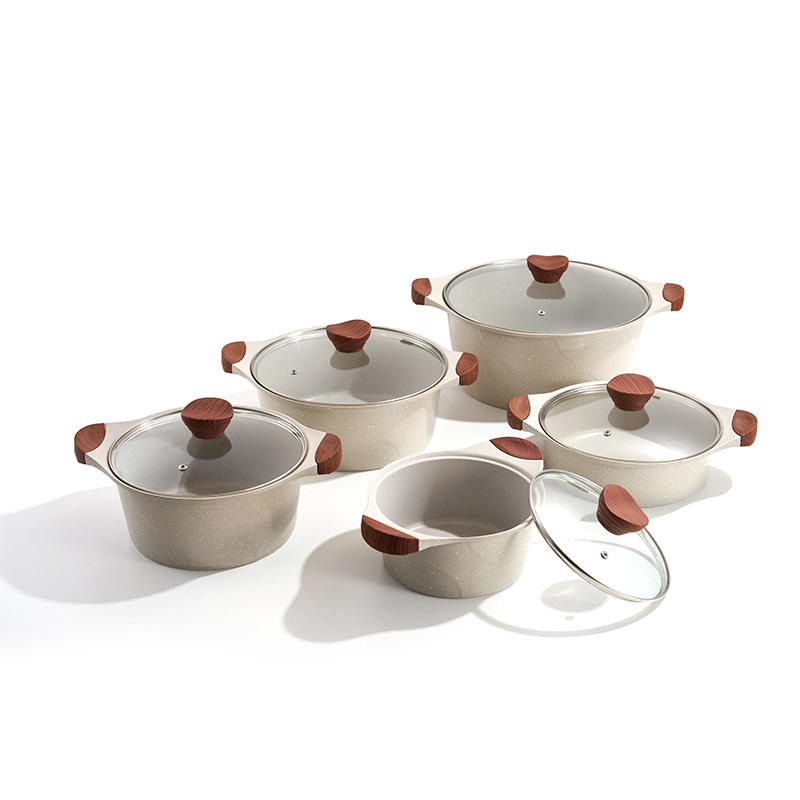
This off-white cookware set is made of wear-resistant non-stick material, with w...
See Details
Whether you're looking for bulk purchases or have any custom requirements, We are here to offer the best
solutions for you.
tiffany.zhong@echocn-trading.com
PHONE
+86-19561173975
+86-19557020621 (Hazel Wu)
ADD
Room 301, Unit 3014, No. 175 Qifeng Avenue, Wenqiao Town, Taizhou, Zhejiang, China
Fill Out the Form for More Information
Copyright © Zhejiang Echo Industry And Trade Co., Ltd.
All Rights Reserved.

China Cookware Set Manufacturer