
 en
en
 Español
This cookware set features a non-stick coating, even heat conduction, and multi-...
See Details
One Set, More Meals: The Rise of Multi-Function Cookware
Date:Aug 21, 2026
Modern kitchens are experiencing a shift from owning many separate cooking tools toward using flexible products that can handle different tasks. As living spaces become more compact and cooking habits become more diverse, consumers are looking for cookware that provides more functions without occupying extra storage space.
The growing popularity of the Multi-Function Cookware Set reflects this change in kitchen expectations. A well-designed cookware collection can support frying, boiling, steaming, sautéing, simmering, and other cooking methods with fewer pieces. This approach helps families create a more organized kitchen while maintaining the ability to prepare different types of meals.
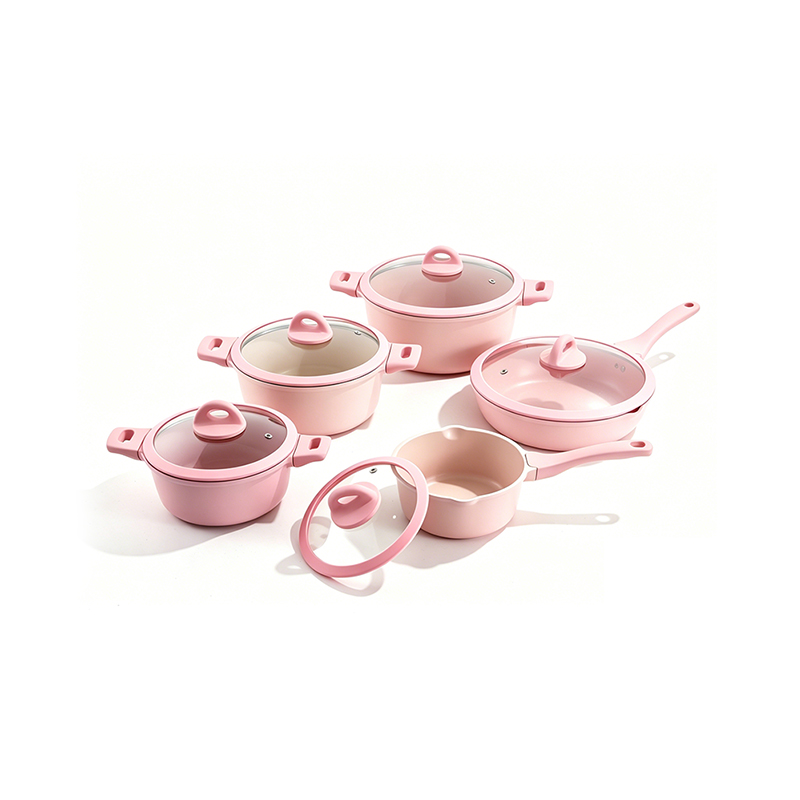
Why One Cookware Set Can Replace Multiple Kitchen Tools
Traditional kitchens often contain separate pots and pans designed for specific purposes. A frying pan may handle breakfast dishes, a saucepan may prepare sauces, and a stockpot may be used for soups or pasta. However, many households now prefer products that combine several functions into a coordinated system.
A multi-function cookware collection usually includes different sizes and shapes that work together:
- Frying pan: Suitable for frying eggs, preparing vegetables, searing meat, and daily quick meals.
- Saucepan: Designed for heating liquids, cooking sauces, and preparing smaller portions.
- Stockpot: Provides larger capacity for soups, stews, pasta, and family-size recipes.
- Steamer insert: Adds steaming capability without requiring an additional appliance.
This integrated approach allows users to prepare different dishes while keeping the kitchen more efficient and organized. Instead of collecting cookware piece by piece, many consumers prefer a coordinated solution that matches their cooking routines.
Space-Saving Design Is Changing Kitchen Organization
Kitchen storage has become an important factor behind cookware purchasing decisions. Apartments, urban homes, and smaller kitchens require products that deliver strong functionality while using limited cabinet space.
Modern cookware sets are responding with innovative designs such as stackable structures, detachable handles, and nesting arrangements. These features allow multiple pieces to fit together neatly and reduce unused storage areas.
- Stackable cookware bodies: Pots and pans with compatible dimensions can be stored vertically or horizontally to save cabinet space.
- Removable handles: Detachable handle systems can support stovetop cooking, oven use, serving, and easier storage.
- Universal lids: Shared lid designs reduce the number of accessories needed in the kitchen.
These design improvements are especially attractive to consumers who want a cleaner kitchen layout without reducing cooking options.
Material Technology Improves Multi-Purpose Performance
The performance of a multi-function cookware set depends heavily on material selection and structural design. Manufacturers are combining different metals and surface technologies to achieve better heat control and durability.
Common material structures include:
- Aluminum alloy body: Provides lightweight handling and fast heat response, making it suitable for everyday cooking.
- Stainless steel construction: Offers strength, corrosion resistance, and a professional appearance.
- Multi-layer base: Combines materials such as aluminum and stainless steel to improve heat distribution.
- Non-stick or ceramic coating: Helps improve food release performance and simplifies cleaning.
Some cookware designs use a 3-layer or 5-layer structure, combining different metals to balance heat conduction, durability, and cooking stability. These technical improvements allow one cookware system to handle various recipes with consistent results.
Compatibility With Different Cooking Methods Matters
Modern households often use multiple cooking appliances, including gas stoves, electric cooktops, and induction systems. A versatile cookware set needs to adapt to different heat sources to provide long-term value.
Many advanced cookware products include induction-compatible bases made with magnetic stainless steel. Some models also support oven temperatures ranging from approximately 180°C to 260°C depending on the materials, handles, and coating specifications.
- Gas stove compatibility: Suitable for traditional cooking methods with direct flame heating.
- Induction compatibility: Magnetic bases allow efficient heating on induction cooktops.
- Oven compatibility: Certain designs allow cookware to move from stovetop preparation to oven finishing.
This flexibility makes multi-function cookware attractive to users who enjoy experimenting with different recipes and cooking techniques.
Cooking Variety Is Driving New Product Designs
Home cooking has expanded beyond traditional daily meals. Many families now explore international recipes, meal preparation plans, baking combinations, and restaurant-style cooking experiences. This trend has increased demand for cookware that can support multiple culinary styles.
A single cookware collection may support:
- Asian cooking: Stir-frying, steaming, boiling, and quick high-temperature cooking.
- Western cooking: Pasta preparation, sauces, roasting, and slow cooking.
- Healthy meal preparation: Low-oil cooking, vegetable steaming, and balanced family meals.
This ability to support different food cultures makes versatile cookware appealing to households with changing meal preferences.
Smart Features Are Adding More Value to Cookware Sets
Beyond basic functions, cookware designers are adding practical features that improve everyday convenience. Consumers increasingly pay attention to small details that influence cooking comfort.
- Tempered glass lids: Allow users to check cooking progress without removing the cover.
- Measurement markings: Help users control ingredient quantities directly inside the cookware.
- Pouring edges: Support cleaner transfer of liquids and sauces.
- Balanced handles: Improve comfort during lifting and movement.
These details transform cookware from simple kitchen equipment into a complete cooking system designed around user habits.
Will Multi-Function Cookware Become the New Kitchen Standard?
The future of cookware design is moving toward flexibility, smart storage, and improved user experiences. As consumers seek practical solutions that match modern lifestyles, multi-function sets are gaining attention as a convenient way to simplify kitchen organization.
A well-designed cookware collection does more than combine several pots and pans together. It creates a complete cooking environment where different meals can be prepared with fewer tools and greater adaptability.
The rise of multi-function cookware reflects a broader change in how people view their kitchens. Today’s consumers want products that save space, support creativity, and provide reliable performance across different cooking situations. A versatile cookware set is becoming not just a collection of items, but an essential partner for modern home cooking.
Recommended Articles
Product Category
Related products
-
-
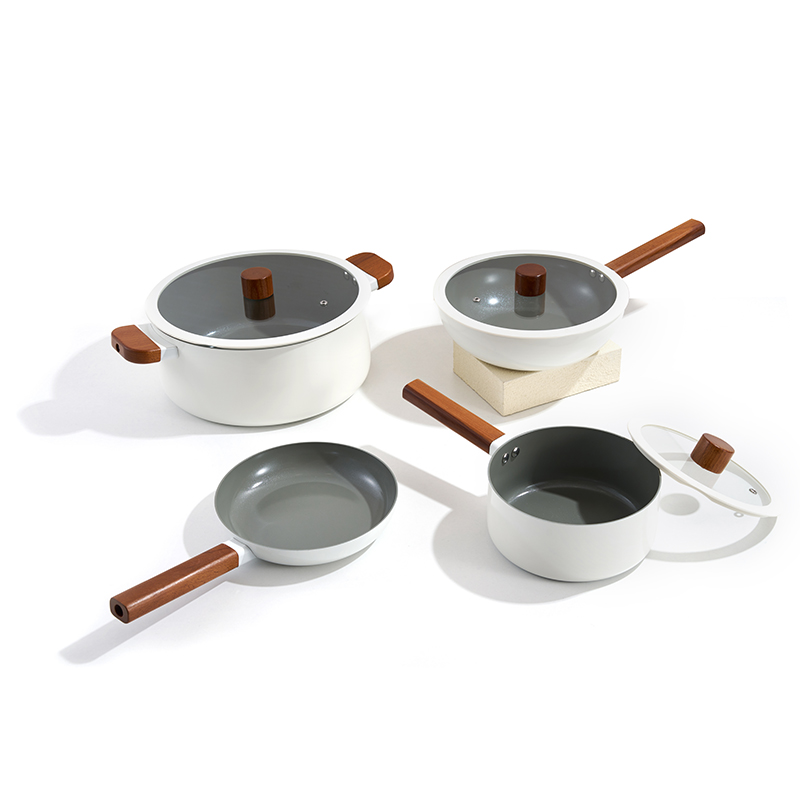
This cookware set has a ceramic non-stick inner liner, a heat-resistant wooden h...
See Details -
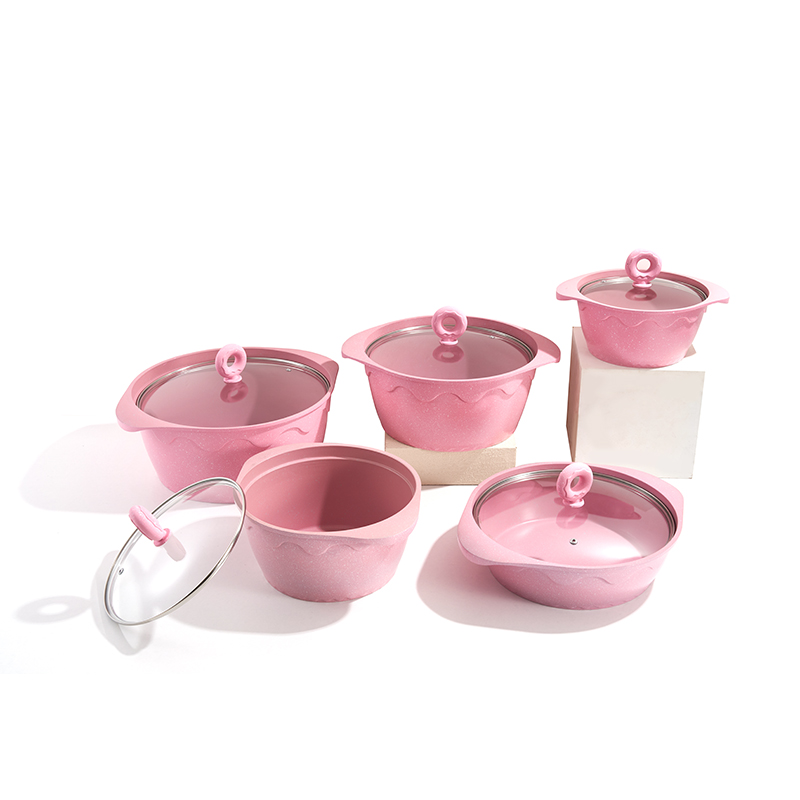
This cookware set is made of food-grade non-stick material, with a unique eye-ca...
See Details -
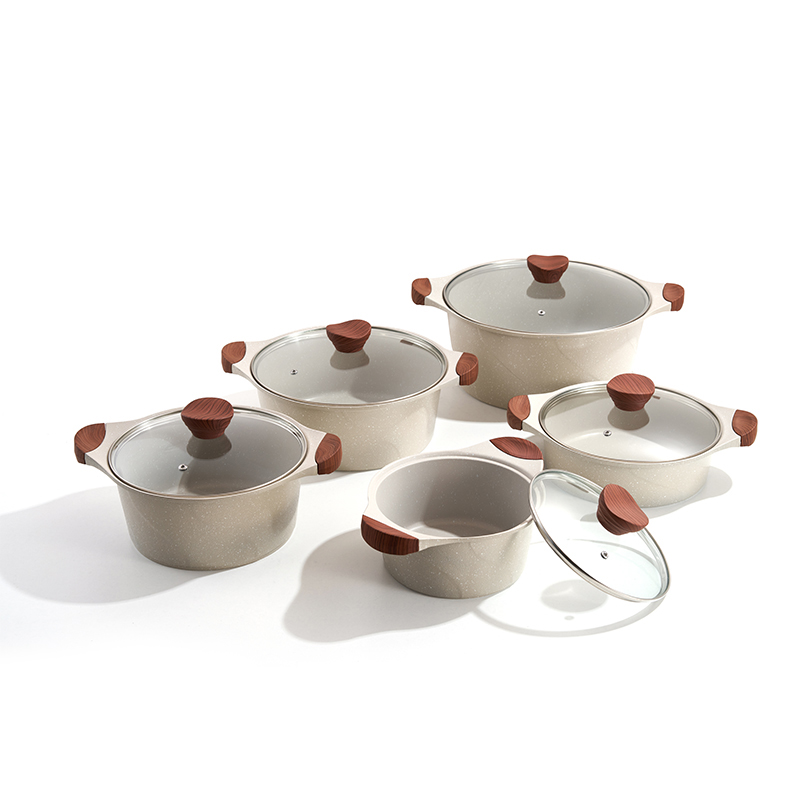
This off-white cookware set is made of wear-resistant non-stick material, with w...
See Details
Whether you're looking for bulk purchases or have any custom requirements, We are here to offer the best
solutions for you.
tiffany.zhong@echocn-trading.com
PHONE
+86-19561173975
+86-19557020621 (Hazel Wu)
ADD
Room 301, Unit 3014, No. 175 Qifeng Avenue, Wenqiao Town, Taizhou, Zhejiang, China
Fill Out the Form for More Information
Copyright © Zhejiang Echo Industry And Trade Co., Ltd.
All Rights Reserved.

China Cookware Set Manufacturer