
 en
en
 Español
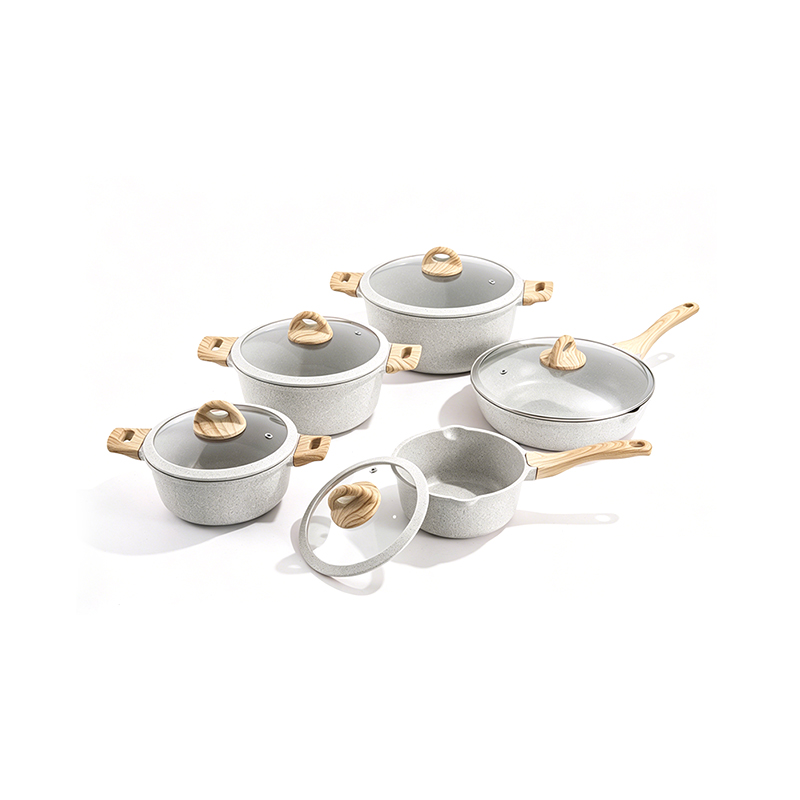
This cookware set features a non-stick coating, even heat conduction, and multi-...
See Details
Have eco cookware certifications become more valuable than product performance
Date:Jul 10, 2026
Consumers are paying closer attention to cookware than ever before. Product packaging is now filled with phrases such as "eco-friendly," "healthy coating," "chemical-free," and "PFOA-free." These descriptions create a positive impression, yet many buyers still wonder whether the labels reflect genuine material innovation or simply attractive marketing.
Modern cookware has certainly evolved through improved coatings, recycled aluminum, and cleaner manufacturing processes. At the same time, not every environmental claim carries the same technical meaning. Understanding what actually supports product safety helps consumers make more informed purchasing decisions instead of relying solely on advertising language. Industry experts also note that terms like "eco-friendly" and "non-toxic" often lack standardized legal definitions unless supported by certifications or transparent material disclosures.
Why Eco-Friendly Labels Have Become So Popular
Environmental awareness continues to influence purchasing decisions across household products. Cookware manufacturers have responded by highlighting sustainable materials, recyclable packaging, and healthier coating technologies.
These improvements benefit both consumers and manufacturers, but labels alone cannot explain how a product performs throughout years of daily cooking.
- Reduced environmental impact through recyclable aluminum and lower-emission production.
- Health-conscious positioning using PFOA-free or PFAS-free coating systems.
- Longer product lifespan supported by durable surface treatments.
Responsible product development combines these elements instead of relying on a single promotional phrase.
Material Innovation Is More Important Than Label Design
A genuine material upgrade can usually be identified through technical specifications rather than decorative packaging. High-quality cookware manufacturers increasingly publish information about coating composition, substrate materials, coating thickness, and food-contact compliance.
These details provide far more value than broad environmental claims.
- Hard-anodized aluminum creates a dense oxide layer that improves corrosion resistance and surface durability.
- Ceramic-based coatings offer an alternative non-stick surface without traditional fluoropolymer chemistry.
- Multi-layer coating structures improve adhesion while extending service life.
- Forged aluminum bodies provide improved density and more uniform heat distribution.
These engineering improvements represent measurable product development rather than simple branding.
Does "Safe" Always Mean the Same Thing?
One product may advertise "healthy cookware," while another highlights "eco-friendly" or "non-toxic." Although these expressions sound similar, they may describe completely different aspects of the cookware.
A safe eco healthy coating cookware solution should combine several characteristics instead of emphasizing only one feature.
- Stable coating chemistry under normal cooking temperatures.
- Low migration potential during food contact.
- High scratch resistance that protects the aluminum substrate.
- Compliance with food-contact regulations from recognized testing organizations.
Rather than focusing on a single marketing phrase, consumers benefit from evaluating the complete product specification. Independent experts recommend checking the actual coating material instead of relying on general descriptions like "green" or "healthy."
Understanding Common Label Terminology
Many cookware packages display several environmental claims together. Some represent meaningful technical improvements, while others serve mainly as general marketing language.
PFOA-Free
This label confirms that perfluorooctanoic acid was not used during manufacturing. It does not automatically indicate the absence of every fluoropolymer material.
PFAS-Free
This statement generally represents a broader commitment by eliminating the PFAS family from the coating system.
Eco-Friendly
The phrase may describe recycled materials, cleaner production methods, or recyclable packaging. Without supporting technical information, the wording remains relatively broad.
Healthy Coating
This description often refers to coatings designed for food contact safety, but consumers should still review testing reports and certification details.
Durability Also Supports Sustainability
An environmentally responsible cookware set should remain functional over many years instead of requiring frequent replacement.
Surface durability contributes directly to sustainability because products with longer service life reduce raw material consumption and manufacturing demand.
- Coating thickness commonly ranges between 25 and 45 μm in premium multilayer systems.
- Operating temperatures for many ceramic coatings remain stable around 250–300°C under recommended cooking conditions.
- Aluminum body thickness between 2.5 mm and 4.5 mm helps improve thermal stability and reduce localized overheating.
These specifications have a greater influence on product longevity than attractive environmental slogans alone.
Questions Worth Asking Before Buying
Reading beyond the front label often reveals valuable information about cookware quality.
- Which coating technology is actually used?
- Does the manufacturer publish food-contact test reports?
- Are coating materials clearly identified?
- Does the cookware resist scratching during everyday cooking?
- Is the aluminum body forged, pressed, or die-cast?
Transparent answers to these questions provide stronger evidence than promotional descriptions.
Looking Beyond Marketing Creates Better Buying Decisions
Eco-friendly cookware continues to develop through safer coatings, stronger aluminum structures, and cleaner production technologies. Those advances deserve attention because they improve product durability, cooking performance, and environmental responsibility.
At the same time, labels alone cannot fully explain product quality. A well-designed safe eco healthy coating cookware product combines verified coating technology, durable construction, food-contact compliance, and clear technical documentation. Buyers who compare specifications instead of relying only on packaging claims are more likely to find cookware that delivers reliable performance throughout years of everyday use while supporting healthier cooking practices. Recent industry discussions also encourage consumers to prioritize material transparency over broad environmental buzzwords.
Recommended Articles
Product Category
Related products
-
-
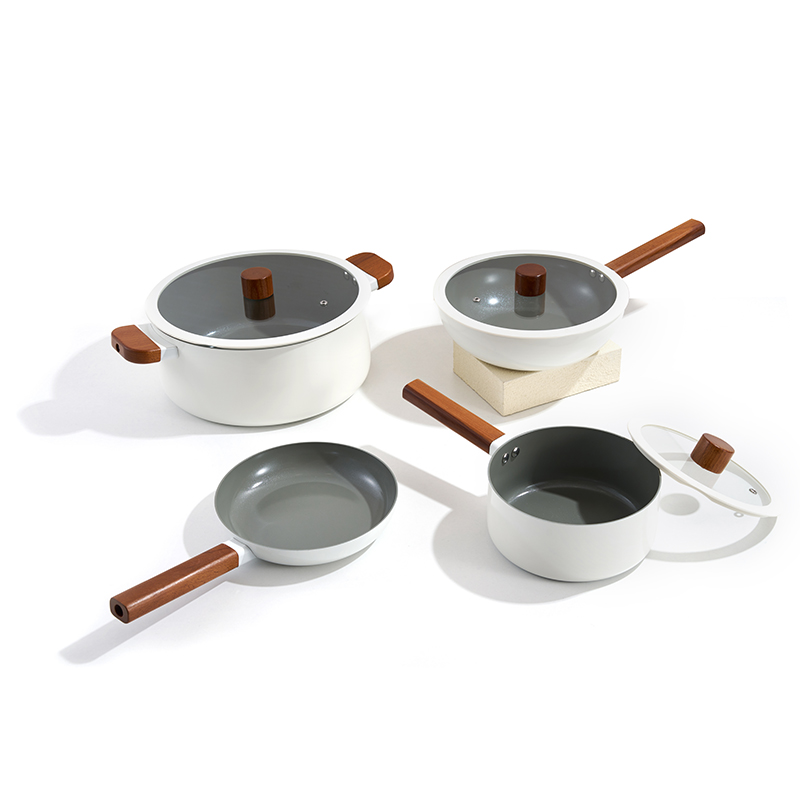
This cookware set has a ceramic non-stick inner liner, a heat-resistant wooden h...
See Details -
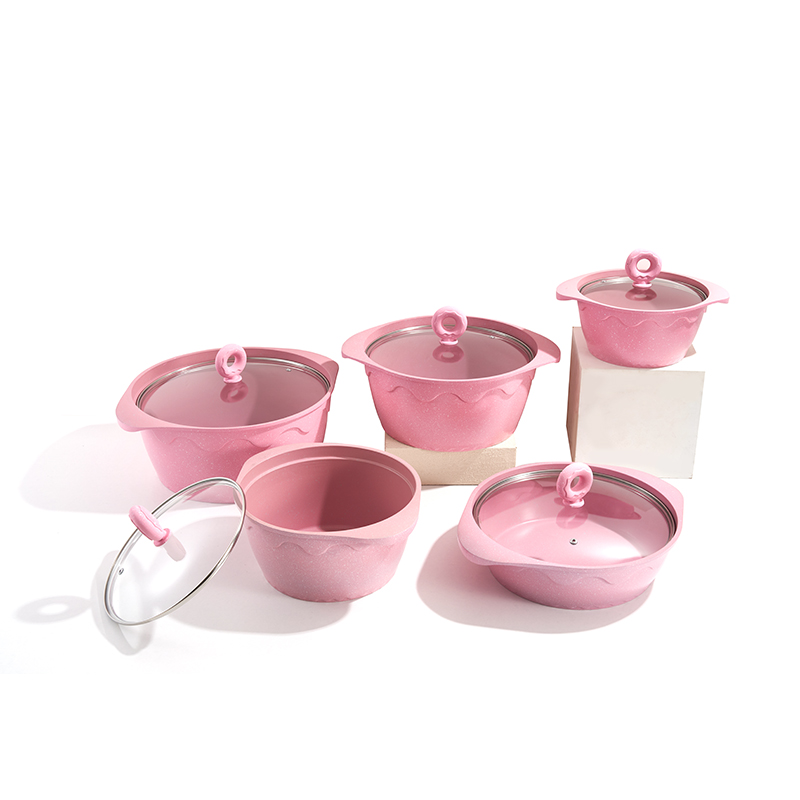
This cookware set is made of food-grade non-stick material, with a unique eye-ca...
See Details -
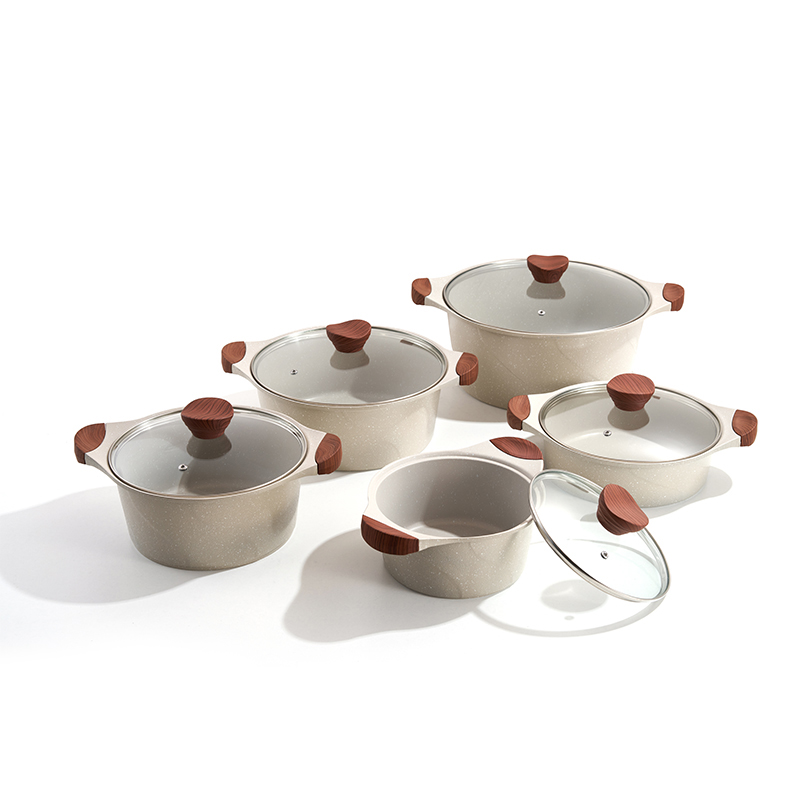
This off-white cookware set is made of wear-resistant non-stick material, with w...
See Details
Whether you're looking for bulk purchases or have any custom requirements, We are here to offer the best
solutions for you.
tiffany.zhong@echocn-trading.com
PHONE
+86-19561173975
+86-19557020621 (Hazel Wu)
ADD
Room 301, Unit 3014, No. 175 Qifeng Avenue, Wenqiao Town, Taizhou, Zhejiang, China
Fill Out the Form for More Information
Copyright © Zhejiang Echo Industry And Trade Co., Ltd.
All Rights Reserved.

China Cookware Set Manufacturer