
 en
en
 Español
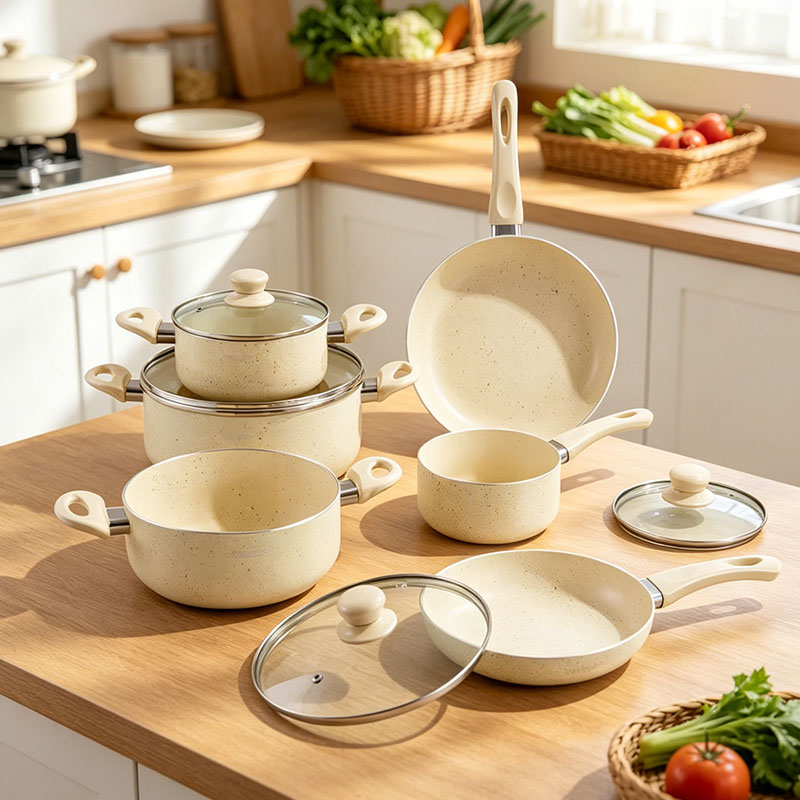
This cookware set features a non-stick coating, even heat conduction, and multi-...
See Details
Are Your Cookware Specifications Ready for Multi-Site Orders
Date:Oct 09, 2026
Opening several stores, supplying a hotel group, or coordinating kitchenware purchases across regional distributors requires more than placing a large order. Each location needs cookware that matches its cooking tasks, equipment, product standards, and replenishment plan. Small differences in pan dimensions, lid fit, handle construction, or packaging can create unnecessary complications after goods arrive.
At ECHO Kitchenware, we understand that multi-site purchasing requires clear specifications and consistent communication throughout the supply process. Our range of commercial cookware sets and other kitchenware products gives buyers a starting point for developing an organized purchasing plan. Before confirming a multi-location order, procurement teams should establish a shared specification sheet that every department can follow.
1. Establish One Specification Sheet for Every Location
Different branches may have different kitchen layouts, menus, and storage conditions. However, a purchasing program needs clear rules to prevent individual locations from ordering incompatible products or changing specifications without approval.
We recommend preparing a central product specification sheet that records the following details:
- Product identification: Record the model number, product name, material, and approved product images for each item.
- Dimensions and capacity: Specify the diameter, depth, volume, and other relevant measurements for each pot and pan.
- Construction details: Document the body material, wall thickness where applicable, surface finish, handle material, lid type, and attachment method.
- Packaging requirements: Define the number of pieces per set, inner-box configuration, carton quantity, and labeling format.
- Revision control: Assign a document version and approval date so purchasing teams can identify the current specifications.
A shared document also makes it easier to compare quotations from different suppliers. Rather than comparing products based on photographs or general descriptions, buyers can check whether each quotation covers the same specifications and order configuration.
2. Match Cookware Dimensions to Actual Kitchen Requirements
Product dimensions affect storage, cooking capacity, and compatibility with existing kitchen equipment. A pot that appears suitable in a catalog may occupy too much shelf space, while a frying pan with an unsuitable diameter may not fit the intended cooking station.
Our recommendation is to verify measurements against the actual operating requirements of each location before approving a large order.
- Pan diameter: Record whether the stated measurement refers to the upper rim or another reference point. Keep the measurement method consistent across the product list.
- Pot capacity: Specify the required volume in liters or quarts and clarify whether the figure represents total capacity or usable filling capacity.
- Overall dimensions: Check height, handle projection, lid clearance, and storage requirements against shelves and cooking stations.
- Set composition: List every pot, pan, lid, and accessory included in the package rather than relying on a general piece count.
Consider a purchasing project covering 12 kitchen locations. Each location requests a different combination of frying pans, saucepans, and casseroles. A consolidated specification sheet can identify the common items and record any location-specific requirements. This approach helps purchasing teams coordinate orders without forcing every kitchen to use an unsuitable configuration.
3. Confirm Material and Cooktop Compatibility
Cookware material influences weight, heat response, surface characteristics, and compatibility with cooking equipment. Aluminum cookware, stainless steel cookware, and iron cookware serve different requirements, so the material specification should reflect the intended application rather than appearance alone.
Aluminum cookware
Aluminum is valued for its relatively low weight and rapid heat conduction. These characteristics can suit everyday frying, boiling, and general cooking tasks. Surface treatment and coating specifications also deserve attention, particularly for products intended for repeated use.
Stainless steel cookware
Stainless steel is commonly considered for applications that require a metal cooking surface and resistance to corrosion. Buyers should confirm the specified steel grade, base construction, thickness, and cooktop compatibility for the actual model.
Iron cookware
Iron cookware offers different heat-retention and handling characteristics. Its weight, construction, and intended cooking method should be evaluated against staff requirements and storage arrangements.
Cooktop compatibility must be documented separately from the material name. Pure aluminum is not naturally magnetic, so an aluminum pan should not be assumed to work on an induction cooker without a suitable induction-compatible base. Gas, electric, ceramic, and induction equipment may also impose different requirements.
At ECHO Kitchenware, we encourage buyers to confirm the compatibility of each specified model rather than applying a general assumption to an entire product category. Product drawings, technical descriptions, and sample testing can help clarify these requirements before order approval.
4. Define Quality Acceptance Criteria Before Production
Multi-site orders need measurable acceptance criteria. General descriptions such as durable, reliable, or premium do not explain how a receiving team should inspect the goods. Clear standards help purchasing, quality control, and warehouse staff evaluate products against the same expectations.
We suggest documenting the following inspection points:
- Dimensions: Establish the permitted measurement tolerances for critical product dimensions.
- Appearance: Identify acceptable surface conditions and define how scratches, dents, discoloration, or other visible defects will be assessed.
- Coating condition: Specify the inspection requirements for coating coverage, visible damage, and finish consistency.
- Handle and lid assembly: Check attachment security, alignment, fit, and the condition of relevant components.
- Set completeness: Verify that each package contains the agreed cookware pieces, lids, accessories, and instructions.
- Packaging condition: Inspect protective materials, carton integrity, product identification, and shipping labels.
Buyers should also agree on the inspection method, sampling plan, and procedure for reporting nonconforming products. Any food-contact requirements or market-specific certifications should be identified at the specification stage, with supporting documents confirmed for the relevant model and destination market.
5. Approve Samples Against the Final Specification
A sample provides an opportunity to review details that may not be apparent in a product image. However, sample approval is useful only when the sample represents the specifications intended for the production order.
Our recommended sample review process includes these steps:
- Compare the sample dimensions, materials, color, surface finish, and accessories with the approved specification sheet.
- Check lid fit, handle positioning, balance, and handling comfort under appropriate evaluation conditions.
- Verify the stated cooktop compatibility and other technical claims relevant to the purchasing project.
- Record approved sample photographs, model identification, and any agreed changes.
- Obtain written approval before treating the sample as the reference for the production order.
Changes to materials, coating systems, handles, packaging, or other approved details should be reviewed through a documented change-control process. Written confirmation helps prevent misunderstandings between purchasing teams and manufacturing partners.
6. Coordinate Packaging and Delivery by Location
Even correctly manufactured cookware can create receiving problems if cartons are labeled incorrectly or quantities are allocated to the wrong destination. Multi-site purchasing therefore requires a delivery plan alongside the product specification.
Before confirming the order, buyers should define:
- The number of sets and individual items assigned to each location.
- The carton dimensions, gross weight, and packing configuration needed for freight planning.
- Whether each carton requires a store number, purchase order reference, product code, or destination label.
- The requested dispatch schedule and the planned arrival window for each shipment.
- The process for reporting shortages, transit damage, or incorrect allocations.
For example, a distributor supplying six branches may prefer separate, clearly labeled allocations rather than one mixed shipment that requires extensive sorting. Agreeing on carton markings and packing lists before dispatch can simplify warehouse receiving and internal distribution.
7. Plan Replenishment and Future Specification Changes
A multi-site purchasing plan should remain useful after the opening order. Cookware may need replacement as products experience normal wear, and additional locations may require the same models months later. Consistent product identification makes repeat purchasing easier to manage.
We recommend keeping a central record of approved model codes, dimensions, materials, packaging details, and order history. Buyers should also discuss product availability, reorder procedures, production scheduling, and notification requirements for specification changes with their supply partners.
Several questions deserve written answers before the project begins:
- Can the approved model be identified using the same product code in future orders?
- Can replacement lids or other compatible components be ordered separately, where available?
- How will the buyer be notified of changes to materials, dimensions, or construction?
- What inspection records and product documents can accompany repeat shipments?
These arrangements help purchasing teams assess the ongoing supply relationship instead of evaluating the initial order price alone.
Turn Product Details into a Repeatable Purchasing Standard
Successful multi-site cookware procurement begins with specifications that are clear, measurable, and approved by the people responsible for purchasing, quality, logistics, and kitchen operations. Dimensions, materials, compatibility, packaging, inspection criteria, and replenishment arrangements all deserve attention before a purchase order is confirmed.
At ECHO Kitchenware, we support buyers who need to coordinate cookware products, product configurations, and customization requirements for different markets. Our aluminum, stainless steel, and iron cookware ranges provide options for a variety of kitchenware purchasing projects, while our OEM and ODM services can support agreed product and branding requirements.
Planning a multi-location order? Share your target product list, required dimensions, cooktop specifications, destination markets, and packaging preferences with our team. We can review your requirements and discuss suitable products and purchasing arrangements to help keep your specifications consistent across locations.
Recommended Articles
Product Category
Related products
-
-
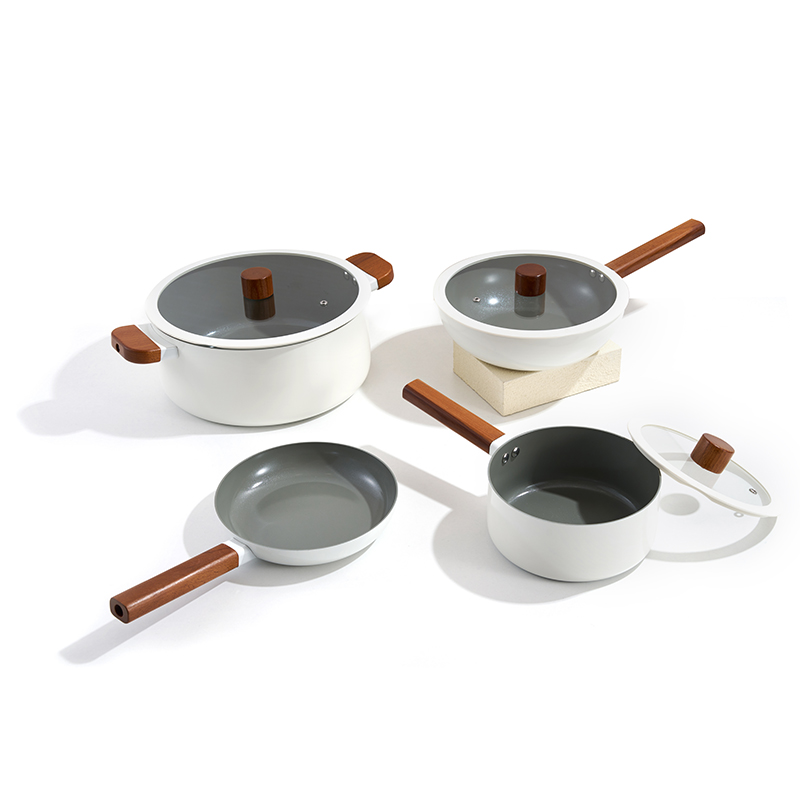
This cookware set has a ceramic non-stick inner liner, a heat-resistant wooden h...
See Details -

This cookware set is made of food-grade non-stick material, with a unique eye-ca...
See Details -
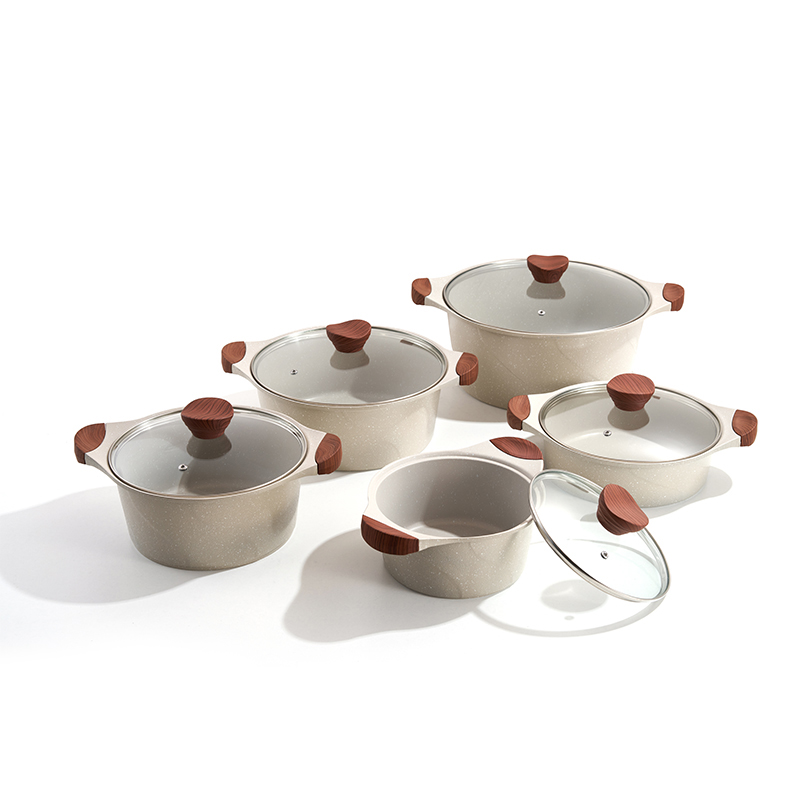
This off-white cookware set is made of wear-resistant non-stick material, with w...
See Details
Whether you're looking for bulk purchases or have any custom requirements, We are here to offer the best
solutions for you.
tiffany.zhong@echocn-trading.com
PHONE
+86-19561173975
+86-19557020621 (Hazel Wu)
ADD
Room 301, Unit 3014, No. 175 Qifeng Avenue, Wenqiao Town, Taizhou, Zhejiang, China
Fill Out the Form for More Information
Copyright © Zhejiang Echo Industry And Trade Co., Ltd.
All Rights Reserved.

China Cookware Set Manufacturer