
 en
 Español
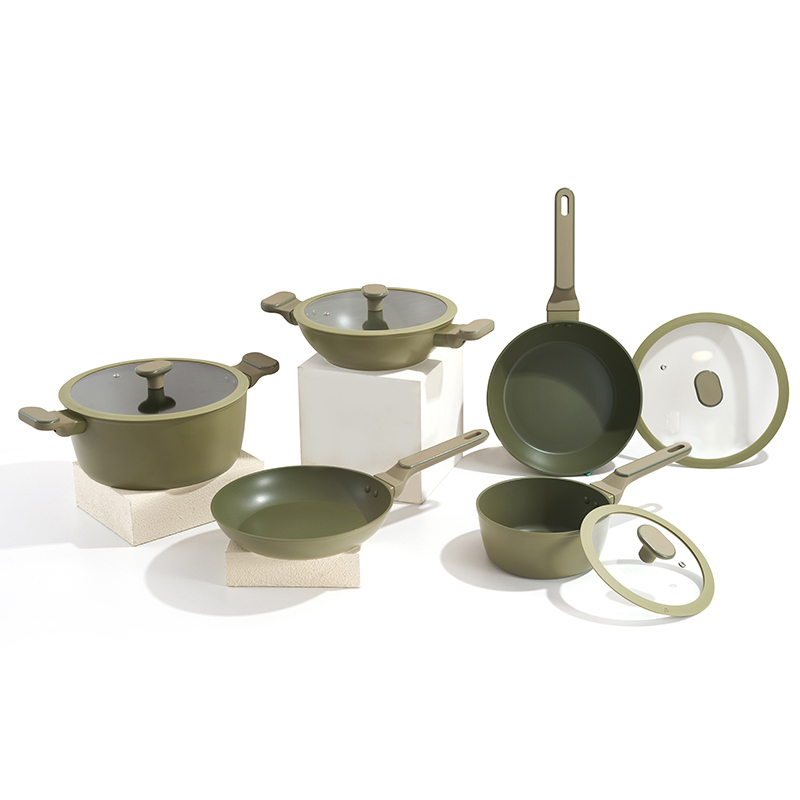
This cookware set features a non-stick coating, even heat conduction, and multi-...
See Details
Building a Retail Range: Grouping Utensils and Cookware by Demand
Date:Oct 30, 2026
A well-planned kitchenware department should make it easy for shoppers to find products that match their cooking habits, budgets, and household needs. Retailers often face a different challenge behind the scenes: deciding which items deserve shelf space, which products should be sold together, and how to avoid carrying too many similar SKUs.
At ECHO Kitchenware, we understand that building a retail assortment requires more than displaying a broad product catalog. A coordinated kitchen utensils and cookware range should reflect customer demand, retail positioning, and practical inventory requirements. Grouping products by their intended use and sales role helps buyers develop a clearer category structure.

1. Start With Customer Needs and Sales Data
Before expanding a kitchenware range, retailers should review existing sales records, customer feedback, seasonal purchasing patterns, and the price points their shoppers prefer. These indicators help distinguish dependable everyday products from specialized items that appeal to a narrower audience.
- Review sales by SKU: Identify products that generate consistent sales and items that remain in stock for extended periods.
- Compare price bands: Check whether customers respond differently to entry-level, mid-range, and premium products.
- Identify category gaps: Look for missing products that shoppers may expect to find alongside existing cookware.
- Consider the sales channel: Supermarkets, specialty kitchenware stores, department stores, and online retailers may require different assortments.
New retailers without historical data can begin with a focused selection of essential cooking and preparation items, then adjust the range after reviewing actual sales performance.
2. Organize Products by Cooking Function
Grouping products according to how customers use them creates a logical shopping experience. It also helps purchasing teams identify gaps without adding unrelated products simply to increase the number of available SKUs.
- Food preparation: Measuring cups, measuring spoons, mixing bowls, graters, and whisks support preparation tasks.
- Cooking utensils: Spatulas, turners, ladles, tongs, and cooking spoons serve different stovetop and food-handling functions.
- Cookware: Frying pans, saucepans, stockpots, and casserole pots cover different cooking methods and portion requirements.
- Serving accessories: Serving spoons, kitchen trays, and selected tableware items can complement cookware purchases.
- Storage and organization: Utensil holders, racks, and selected storage products help customers organize their kitchens.
These groups can be presented as separate shelf sections or coordinated collections. For example, a cookware display may include matching utensils and suitable accessories, provided the products are clearly identified and sold individually or as a set according to the actual offer.
3. Assign Every Product a Clear Commercial Role
Not every item needs to perform the same function within a retail range. Assigning each SKU a commercial role helps buyers determine how much space and inventory attention it deserves.
- Core products: Everyday pans, cooking spoons, spatulas, and other items that support routine customer needs.
- Complementary products: Lids, utensil holders, measuring tools, or accessories that complete a cooking setup.
- Premium options: Products with differentiated materials, finishes, construction, or presentation for shoppers with specific preferences.
- Specialty products: Items designed for particular cooking methods, recipes, or customer groups.
Consider a retailer that already sells several frying pans. Adding another pan with nearly identical dimensions and positioning may create unnecessary duplication. A saucepan or a compatible cooking utensil could fill a more useful gap in the assortment.
4. Match Materials and Price Points to the Target Market
Material selection influences product cost, appearance, handling characteristics, and the way a collection is positioned. Buyers should evaluate materials according to the product's intended function rather than assuming that every category requires the same construction.
Aluminum cookware offers relatively low weight and good heat conduction. Stainless steel products provide a different appearance and construction profile, while silicone utensils are commonly considered for flexible cooking tasks. Nylon and other materials may also suit particular utensil designs, subject to their specified heat resistance and intended use.
We recommend documenting the required material, dimensions, finish, and relevant performance specifications for each product. This allows purchasing teams to compare quotations on a consistent basis and build product tiers around real differences rather than packaging alone.
5. Coordinate Sets, Packaging, and Shelf Presentation
Sets can simplify purchasing for shoppers who want several related products in one package. However, a set should contain items that make sense together rather than extra accessories that add cost without serving a clear purpose.
- Group utensils by function, material, color, or intended cooking task.
- Offer cookware configurations that reflect different household sizes and cooking requirements.
- Use clear packaging information to identify piece counts, dimensions, materials, and included accessories.
- Check carton dimensions and protective packaging before planning store replenishment or online fulfillment.
Consistent visual presentation can make a retail range easier to understand. Buyers should also confirm whether products are available as individual SKUs, coordinated sets, or customized private-label packages before finalizing the assortment.
6. Plan Inventory Around Demand Differences
After grouping products, retailers should determine how inventory will be allocated across categories. Ordering the same quantity of every item can tie up purchasing budgets in products that sell at different rates.
We suggest reviewing sales frequency, gross margin, supplier availability, carton quantities, and storage capacity before deciding on replenishment levels. Core products may justify more frequent stock reviews, while specialty items can be purchased in quantities that reflect their actual sales history.
For new product launches, a limited assortment can provide useful information without committing the entire budget to untested items. Retailers can review sell-through, returns, customer questions, and repeat purchases before expanding the range.
Build a Range That Reflects Real Demand
A commercially practical kitchenware assortment combines customer demand, product function, material selection, price positioning, and inventory planning. Clear product groups help shoppers navigate the range while giving purchasing teams a structured way to evaluate new items and supplier quotations.
At ECHO Kitchenware, we support buyers developing cookware collections and related kitchenware assortments for different retail markets. By sharing your target customers, preferred product categories, price bands, material requirements, and packaging needs, you can start a more focused discussion about suitable product options.
Rather than expanding the catalog without a clear plan, build the range around products that serve distinct purposes and have a defined place in your retail strategy.
Recommended Articles
Product Category
Related products
-
-
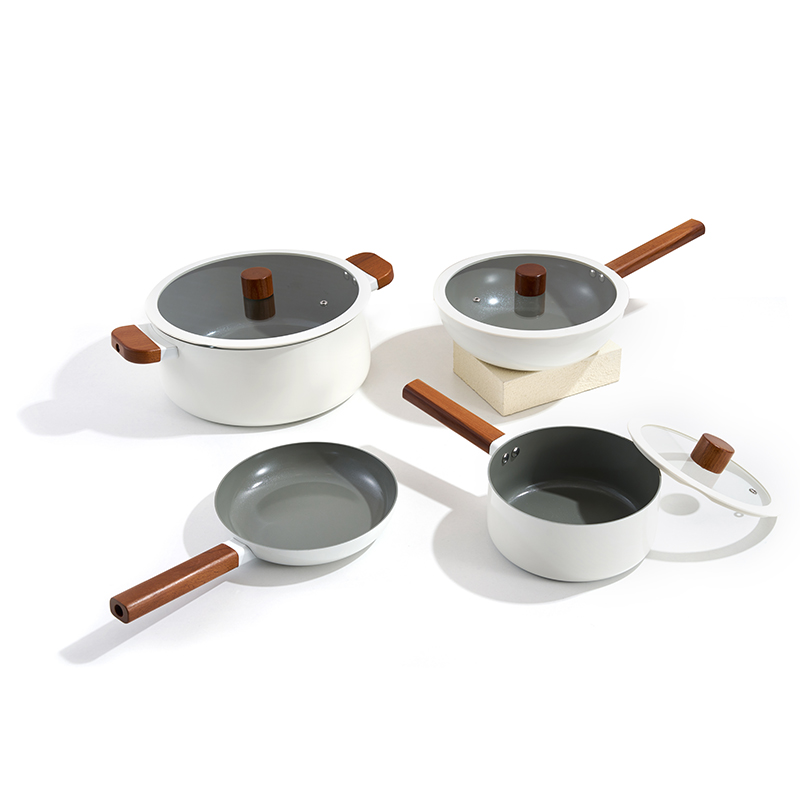
This cookware set has a ceramic non-stick inner liner, a heat-resistant wooden h...
See Details -
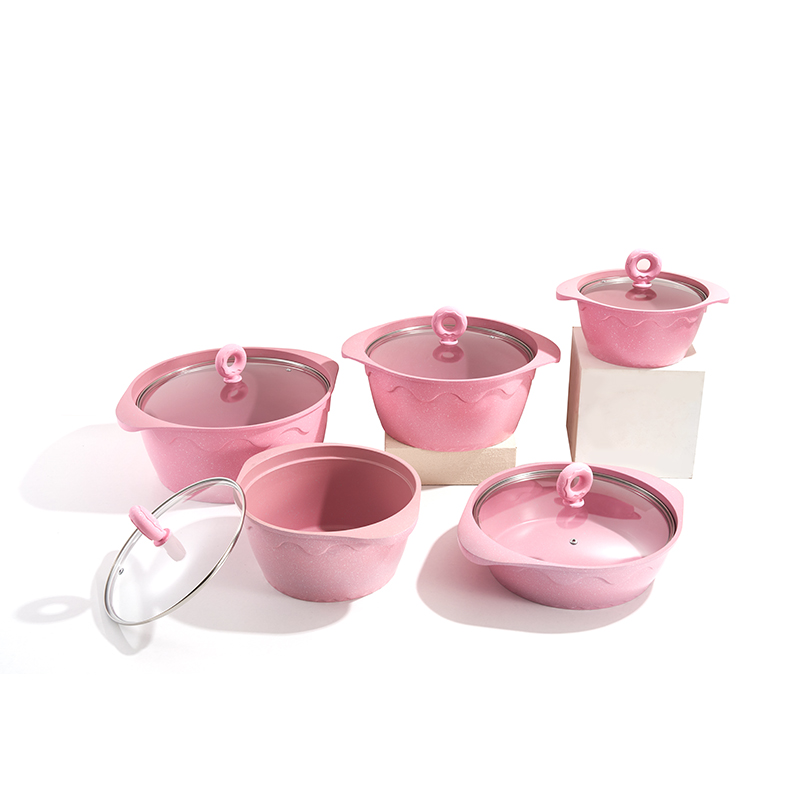
This cookware set is made of food-grade non-stick material, with a unique eye-ca...
See Details -
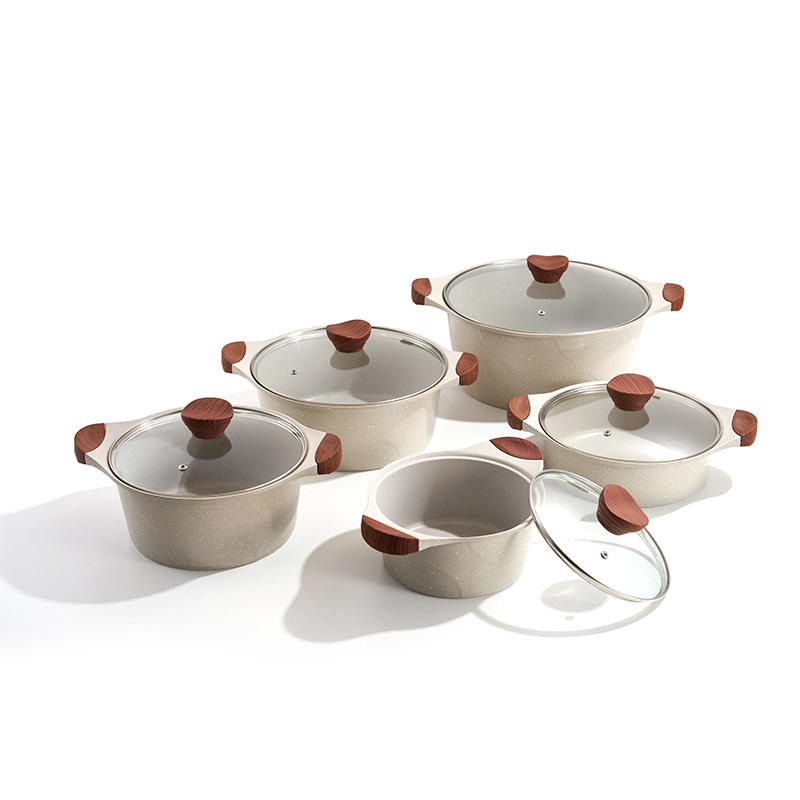
This off-white cookware set is made of wear-resistant non-stick material, with w...
See Details
Whether you're looking for bulk purchases or have any custom requirements, We are here to offer the best
solutions for you.
tiffany.zhong@echocn-trading.com
PHONE
+86-19561173975
+86-19557020621 (Hazel Wu)
ADD
Room 301, Unit 3014, No. 175 Qifeng Avenue, Wenqiao Town, Taizhou, Zhejiang, China
Fill Out the Form for More Information
Copyright © Zhejiang Echo Industry And Trade Co., Ltd.
All Rights Reserved.

China Cookware Set Manufacturer