Is High-End Aluminum Cookware 100% Non-Toxic?
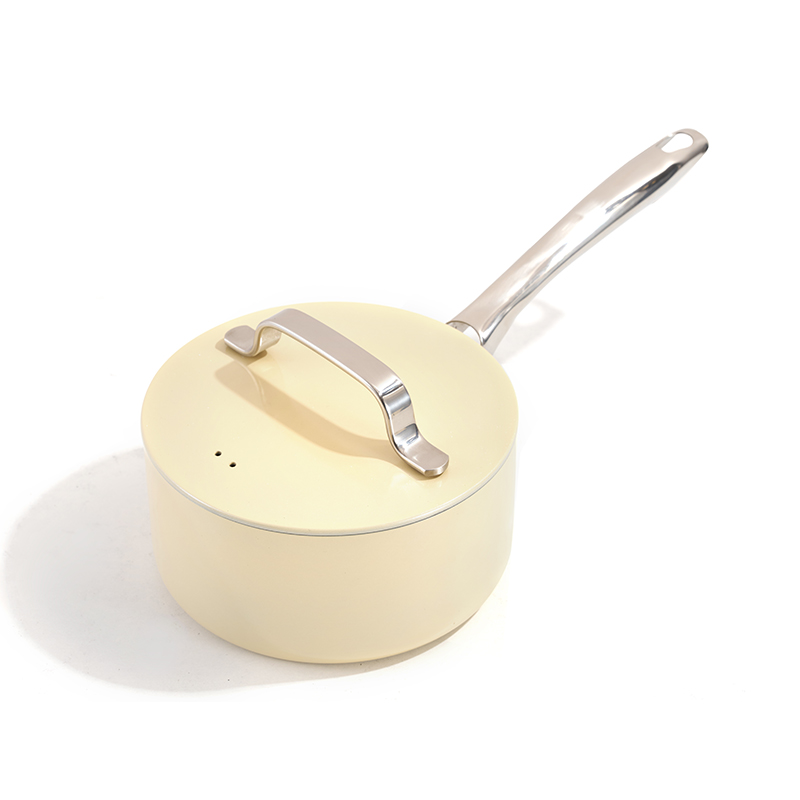
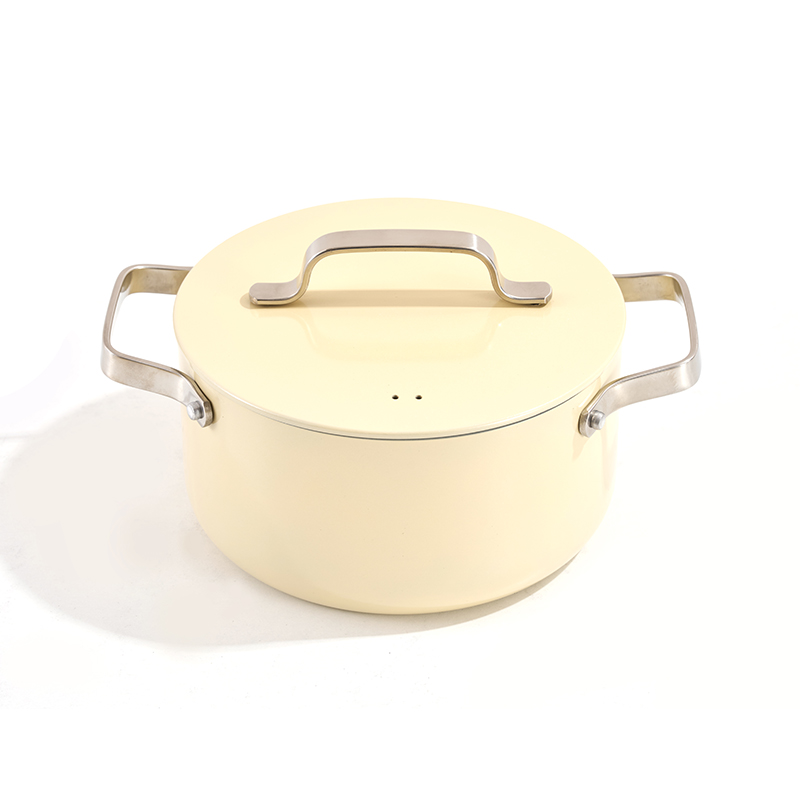
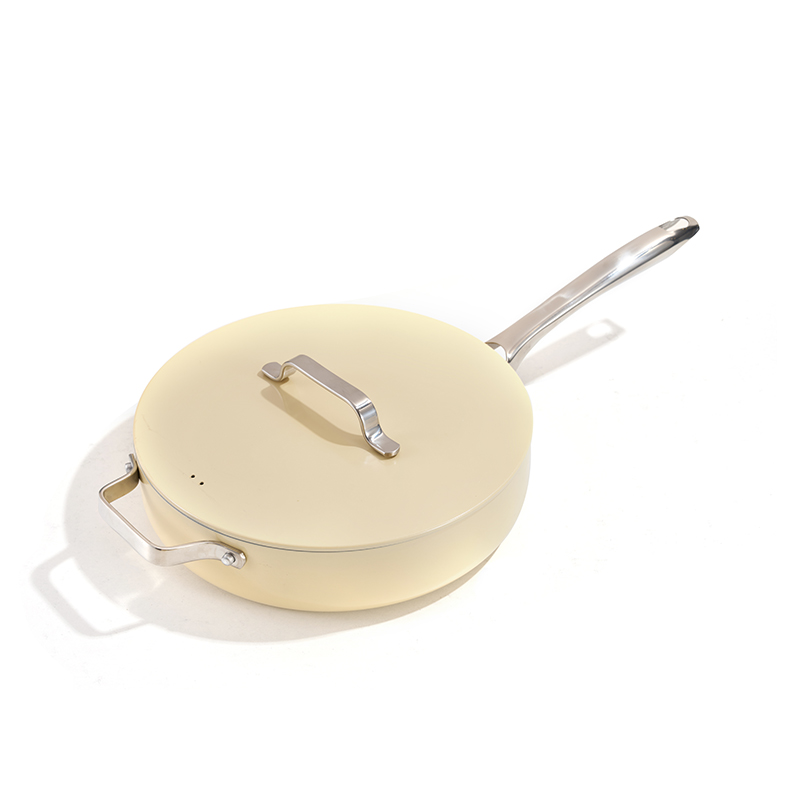
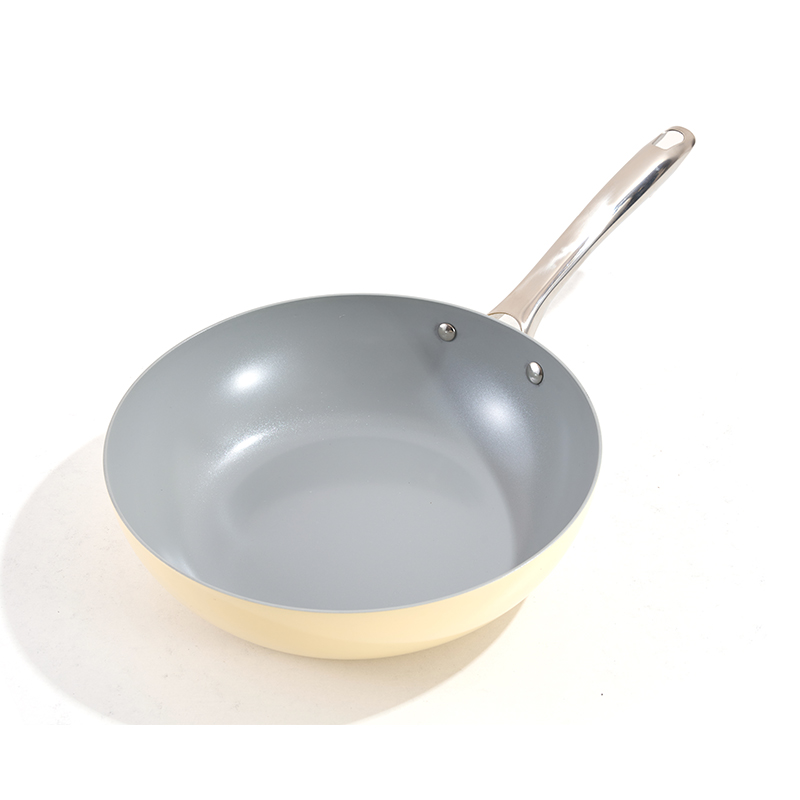
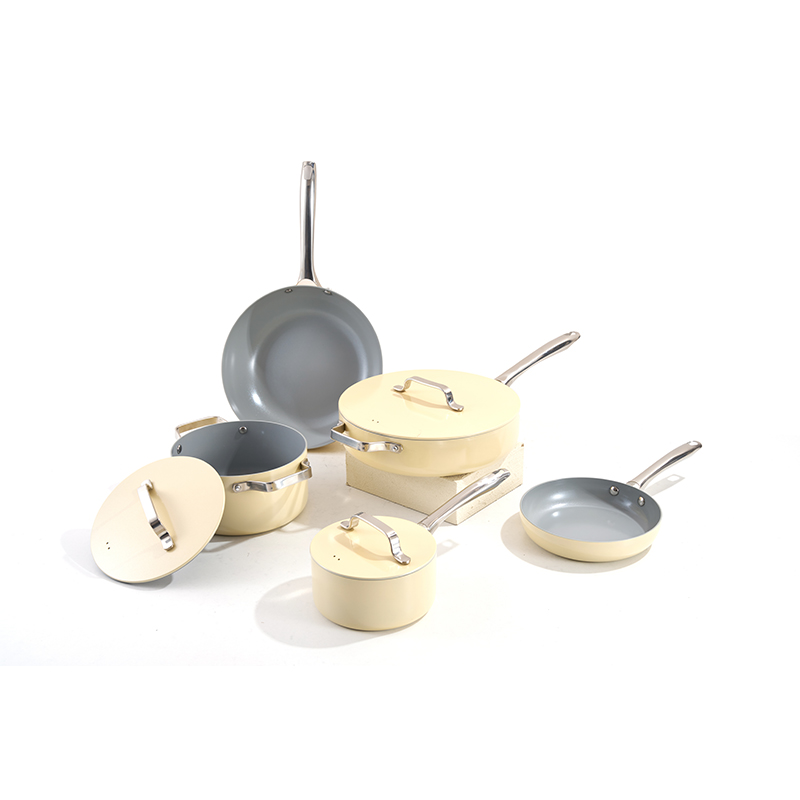
High-end aluminum cookware refers to better-finished aluminum pots and pans, usually anodized or coated, sold as safer and more durable options for everyday home cooking.
What ”non-toxic” actually means in real life
The word “non-toxic” sounds absolute, but in cookware it isn't. It usually means the product passes food-contact regulations and behaves safely under normal cooking conditions, not that nothing ever interacts with food in any situation.
- Most premium aluminum cookware is not raw aluminum on the cooking surface; it is sealed with anodizing or a coating
- Hard-anodized layers form a protective oxide skin that reduces direct metal contact
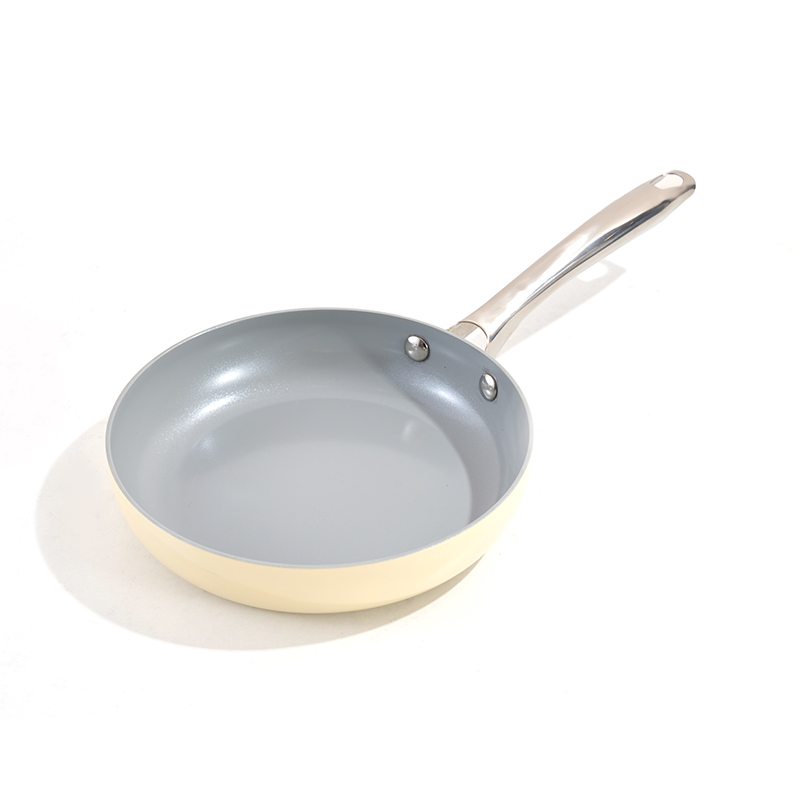
- The actual cooking surface is usually PTFE or ceramic, which determines food contact behavior
- Products sold in the US or EU typically follow FDA or LFGB food safety requirements before reaching shelves
- Safety expectations assume normal use: medium heat, proper utensils, no overheating, empty pans
- Damage changes everything in practice—scratches or worn coating matter more than the base metal
How people run into this question
Someone searches “is high-end aluminum cookware safe for family meals” after hearing mixed opinions online. In real kitchens, issues rarely come from the aluminum itself. They usually come from how the pan is heated or how long the coating has been used.
Compared with stainless steel cookware, aluminum depends more on surface treatment to behave well with acidic food, but it heats up faster and feels lighter during daily use.
What are the advantages and disadvantages of the pressing aluminum cookware process?
Pressed aluminum cookware is made by stamping thin aluminum sheets into pan or pot shapes using high pressure instead of casting thick metal molds.
What does this mean when you actually cook with it
This method is common in mass-market cookware because it is efficient and keeps prices lower. It also allows consistent shapes across full cookware sets sold online and in retail stores.
- Light in hand, easy to move around, even when full
- Heats up quickly, useful for fast weekday cooking
- Low production cost, which makes full sets more affordable
- Smooth base surface works well for adding non-stick coatings
- Disadvantage: thinner walls, so heat doesn't stay as stable as heavier cookware
- Disadvantage: can bend or warp if exposed to high heat for long periods
- Disadvantage: long-term performance depends heavily on coating quality
- Disadvantage: not ideal for slow cooking or long simmering sessions
What people actually notice
Pressed aluminum pans usually show up in daily cooking—breakfast eggs, quick stir-fries, and reheating food. They feel easy to use, but they also feel more sensitive if the heat is pushed too far.
Compared with cast aluminum cookware, pressed aluminum is lighter and cheaper but less rigid. It's built more for convenience cooking than heavy, long-duration heat work.
What affects the lifespan of a pressing aluminum cookware set?
The lifespan of a pressed aluminum cookware set is how long it stays usable in everyday cooking without losing shape, coating performance, or basic cooking function.
What it looks like in real life
A lightly used pan in a quiet household might look almost new after years. The same model used daily in a busy kitchen can lose its smooth surface much sooner. It's rarely dramatic—it's gradual.
Compared with cast aluminum cookware, pressed aluminum is easier to handle and replace, but it doesn't tolerate long-term stress as well. It works best in kitchens where convenience matters more than long, heavy-duty cooking cycles.

 en
en
 Español